
Last updated September 10, 2026
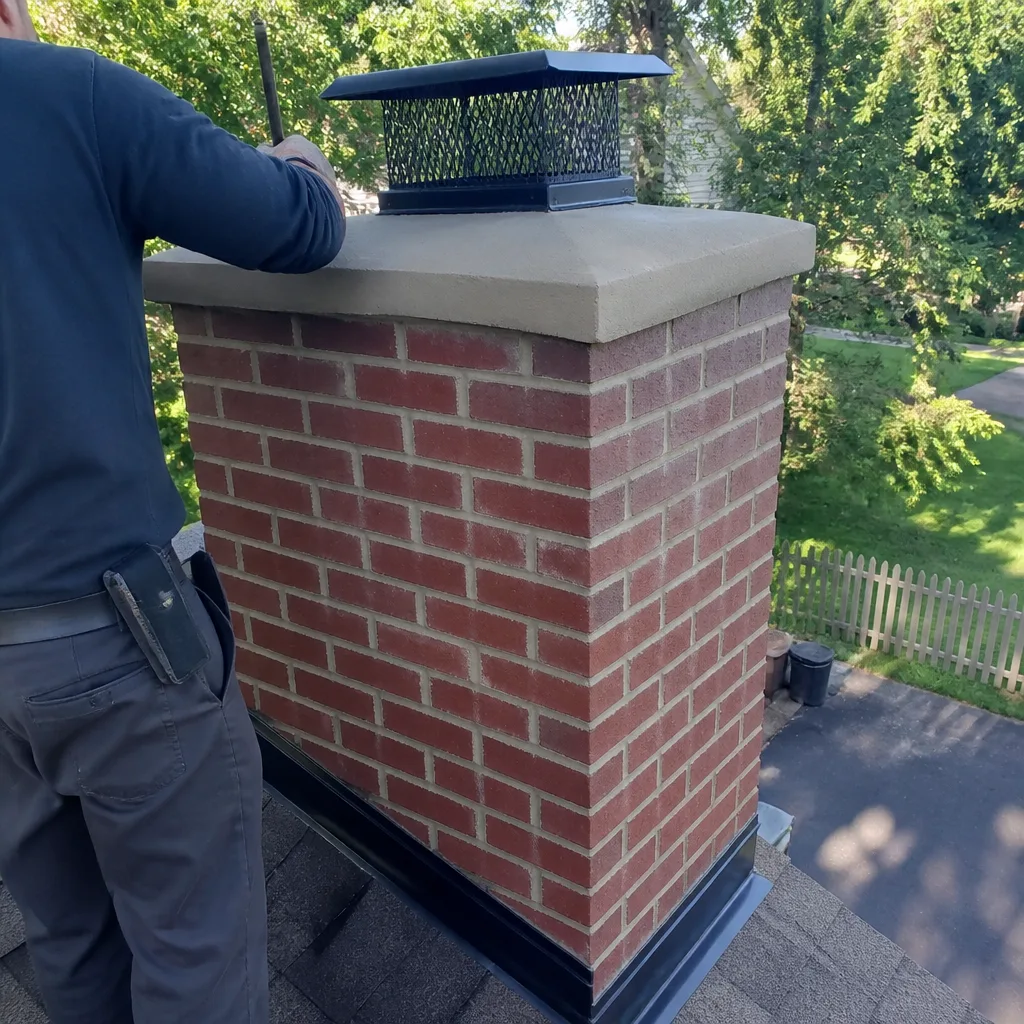
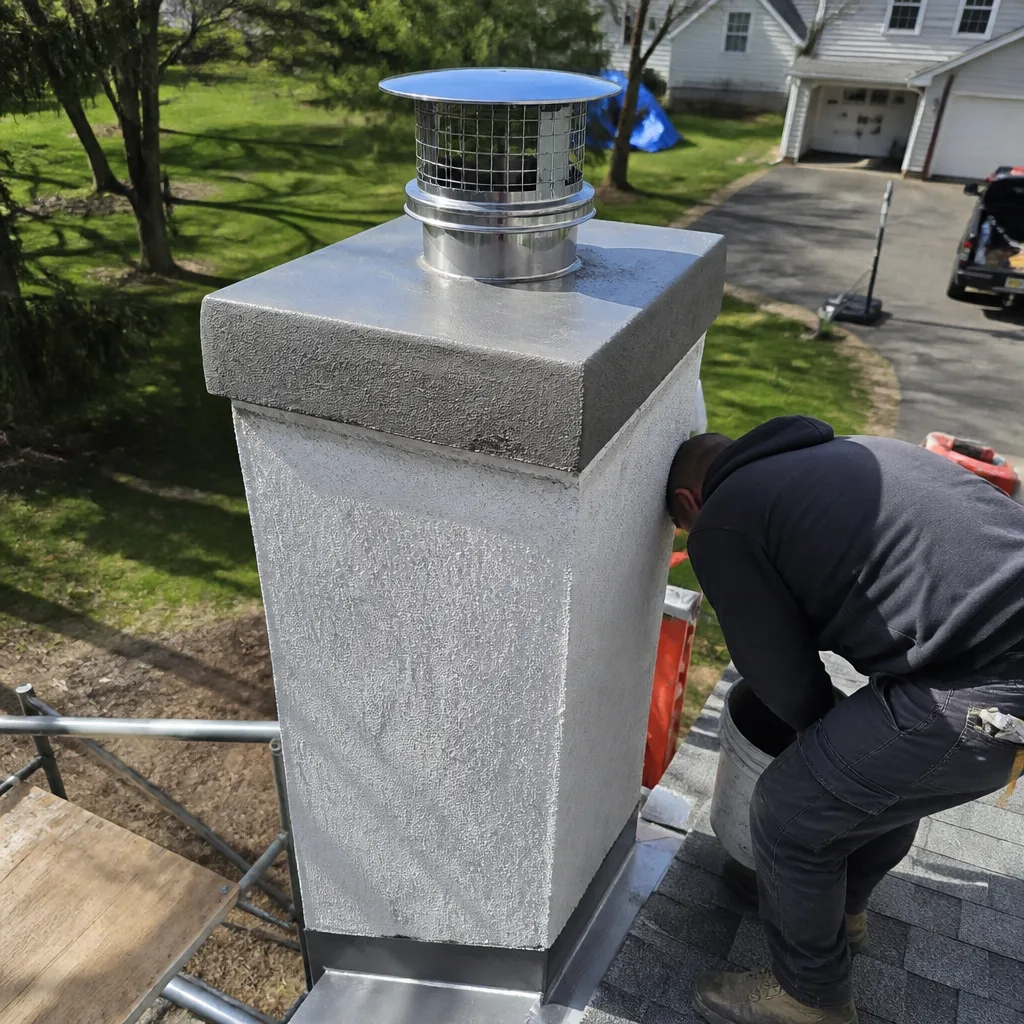
Level 1 sweep and inspection to the NFPA 211 annual standard - flue, crown, cap, and flashing checked and photographed
Chimney sweep logs do not sweep chimneys. They loosen some creosote - which then falls where a brush and vacuum still have to collect it.
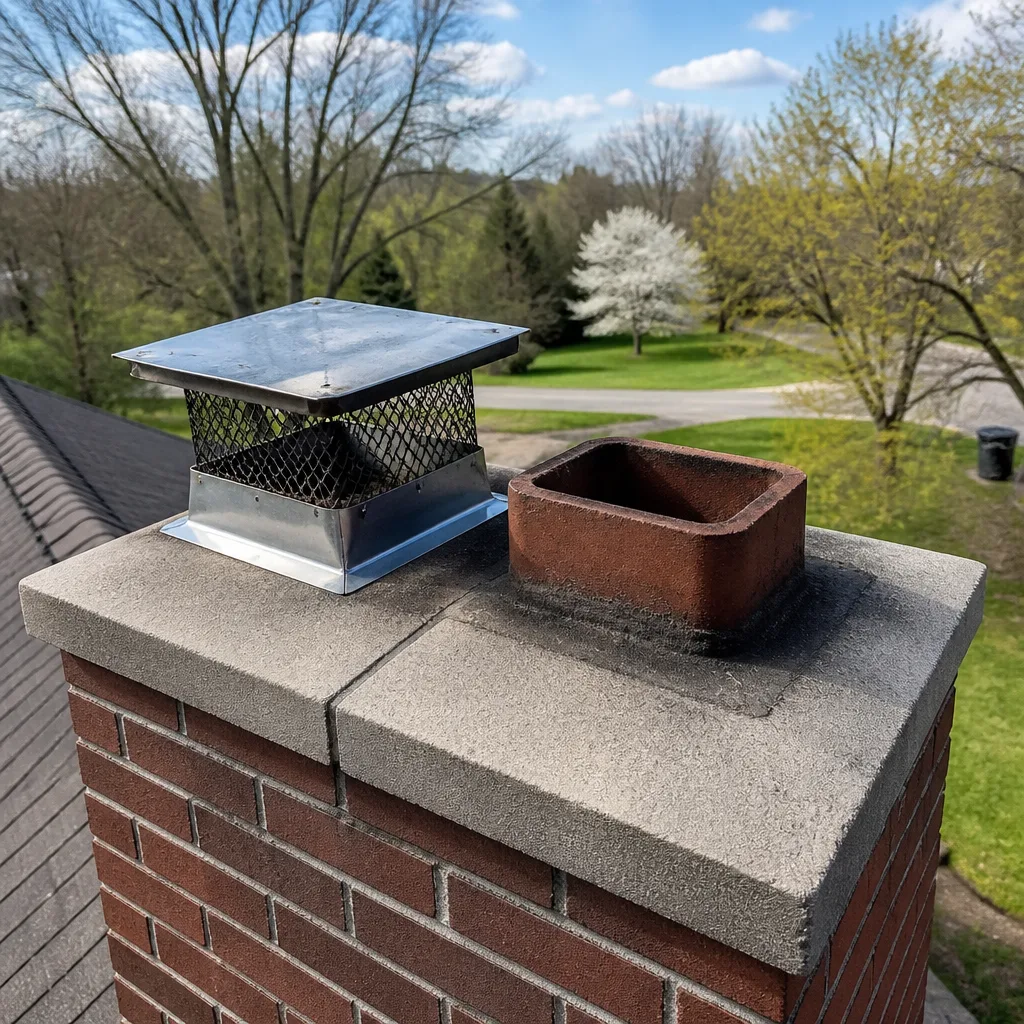
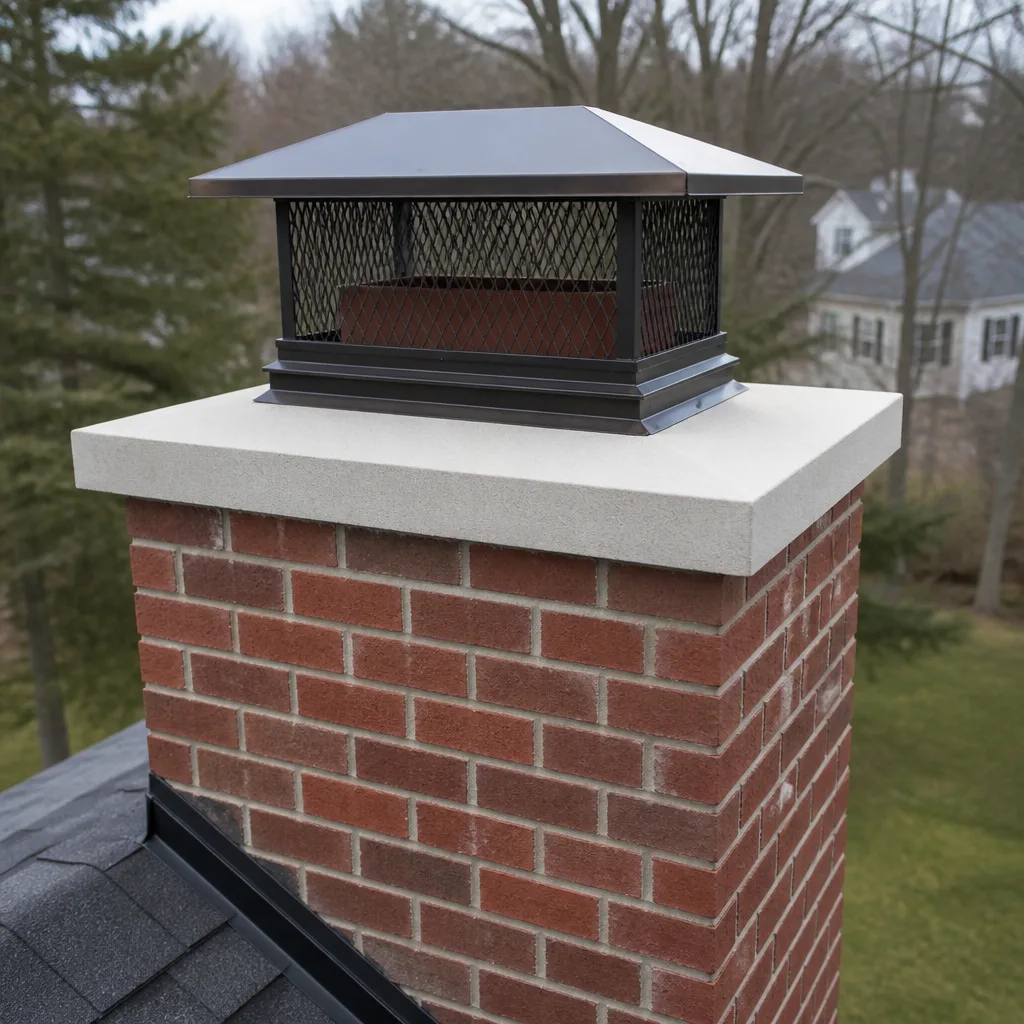
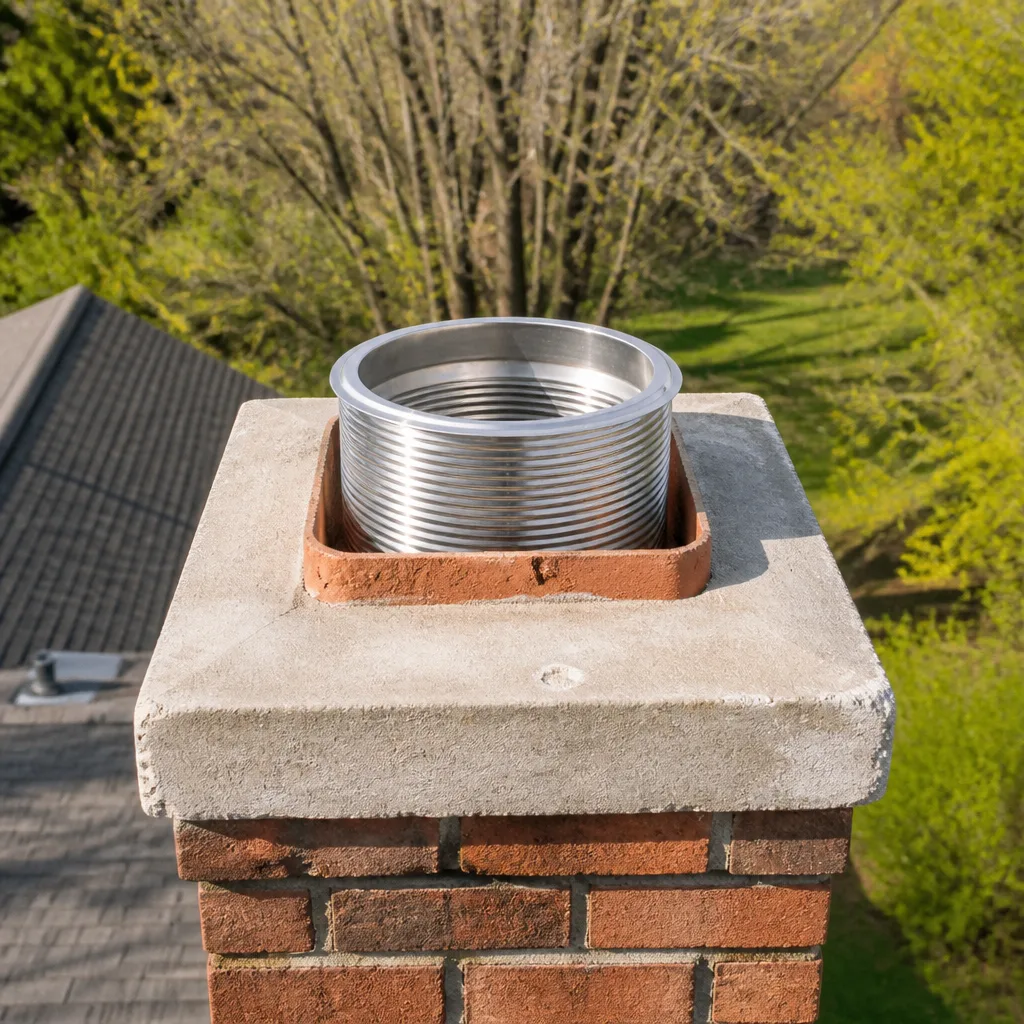
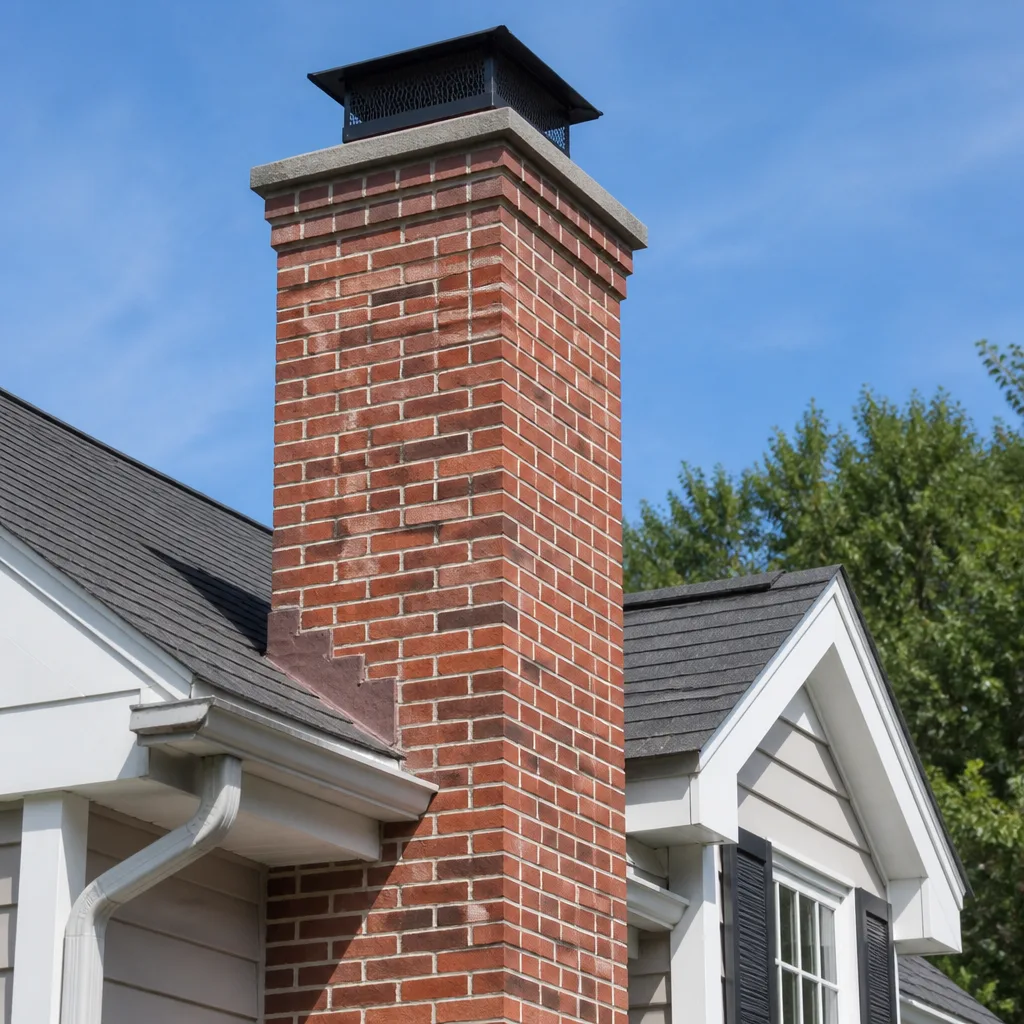
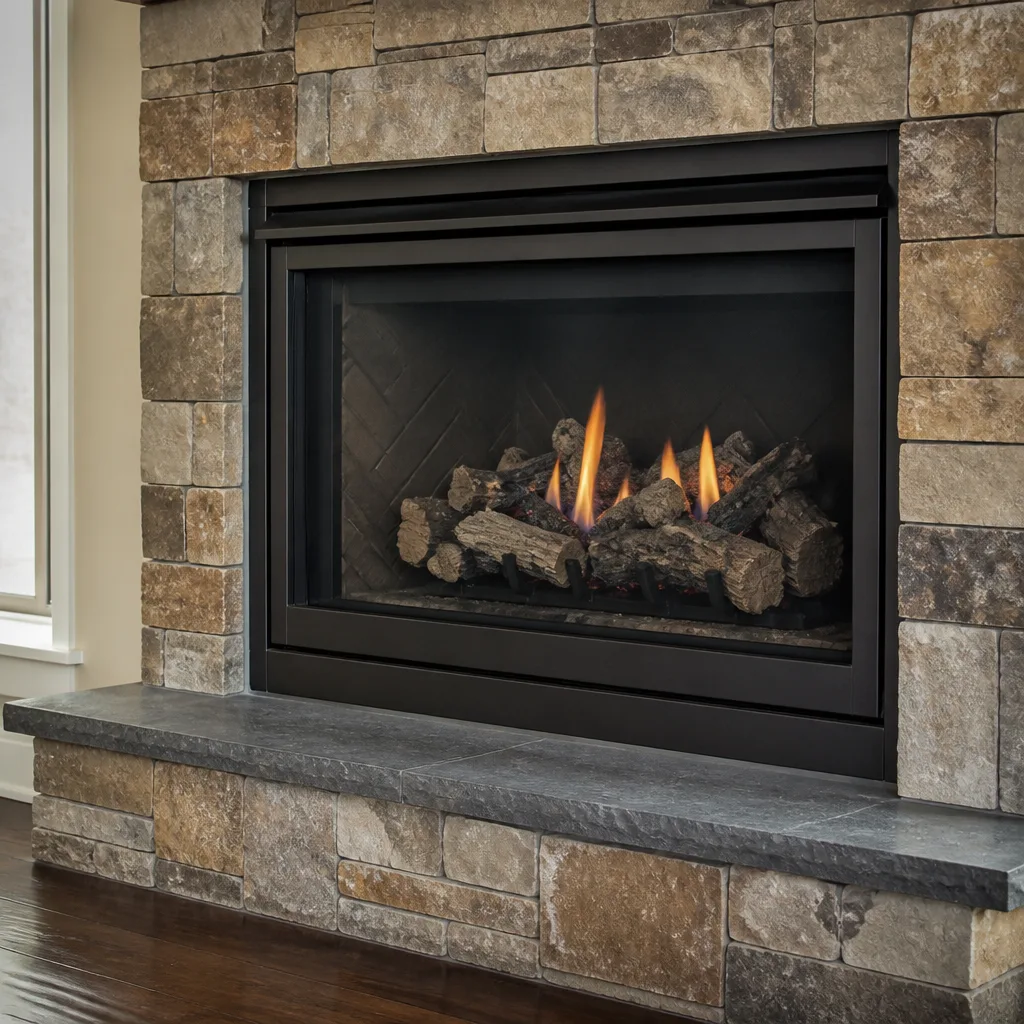
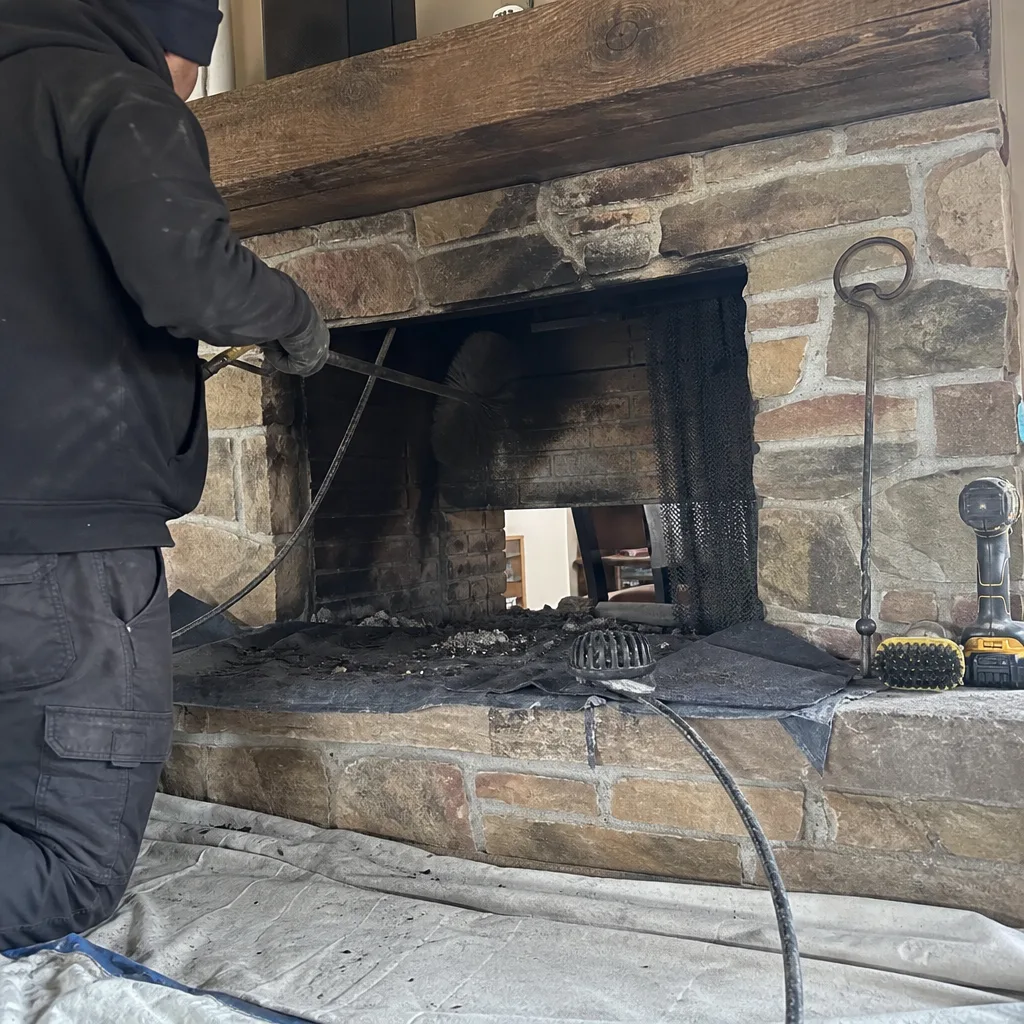 Before
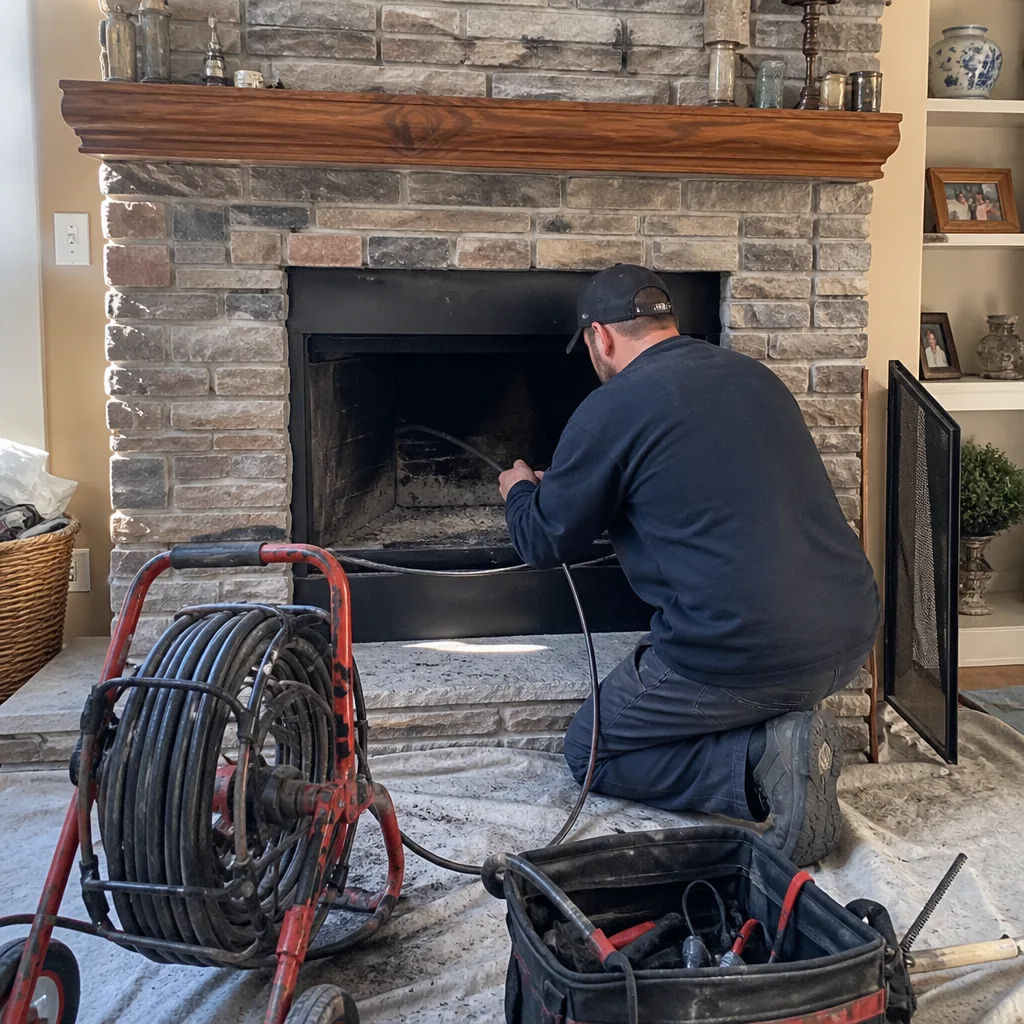 After
After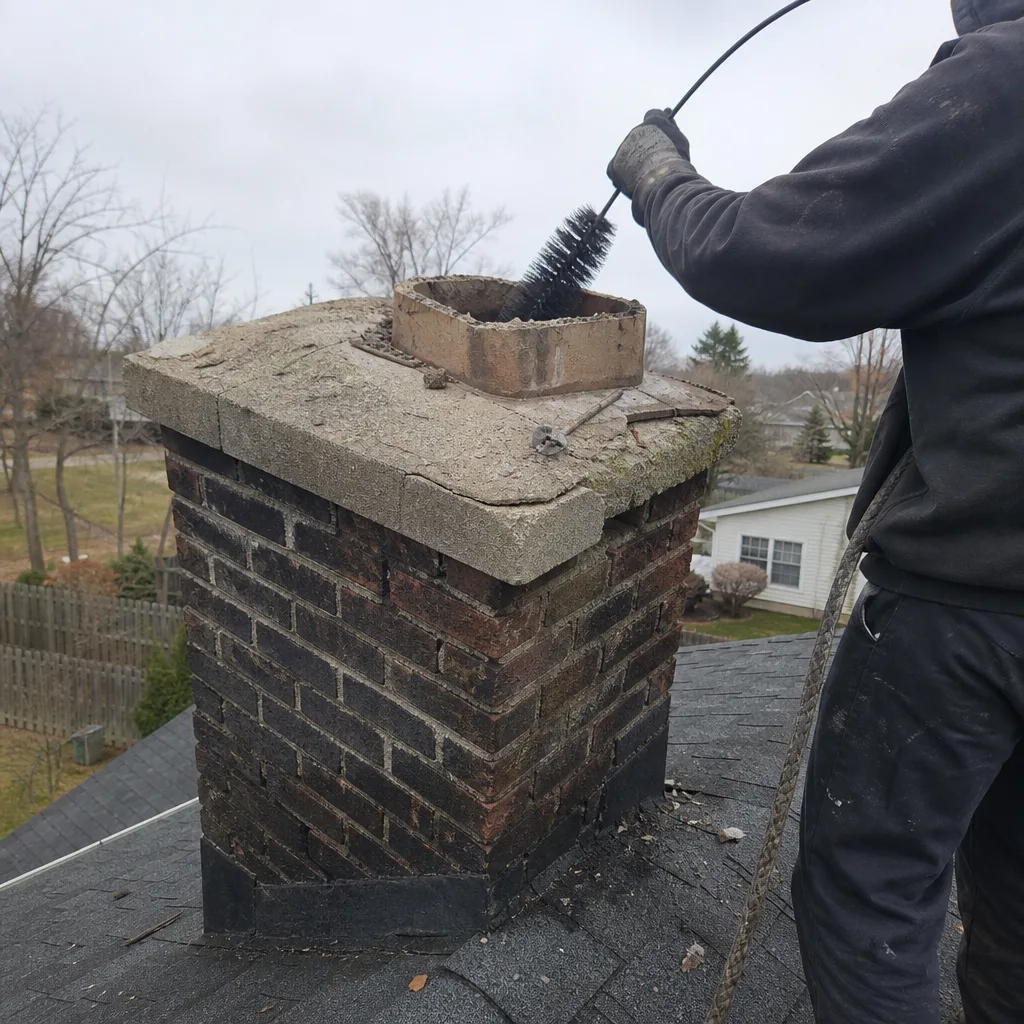 Before
 After
After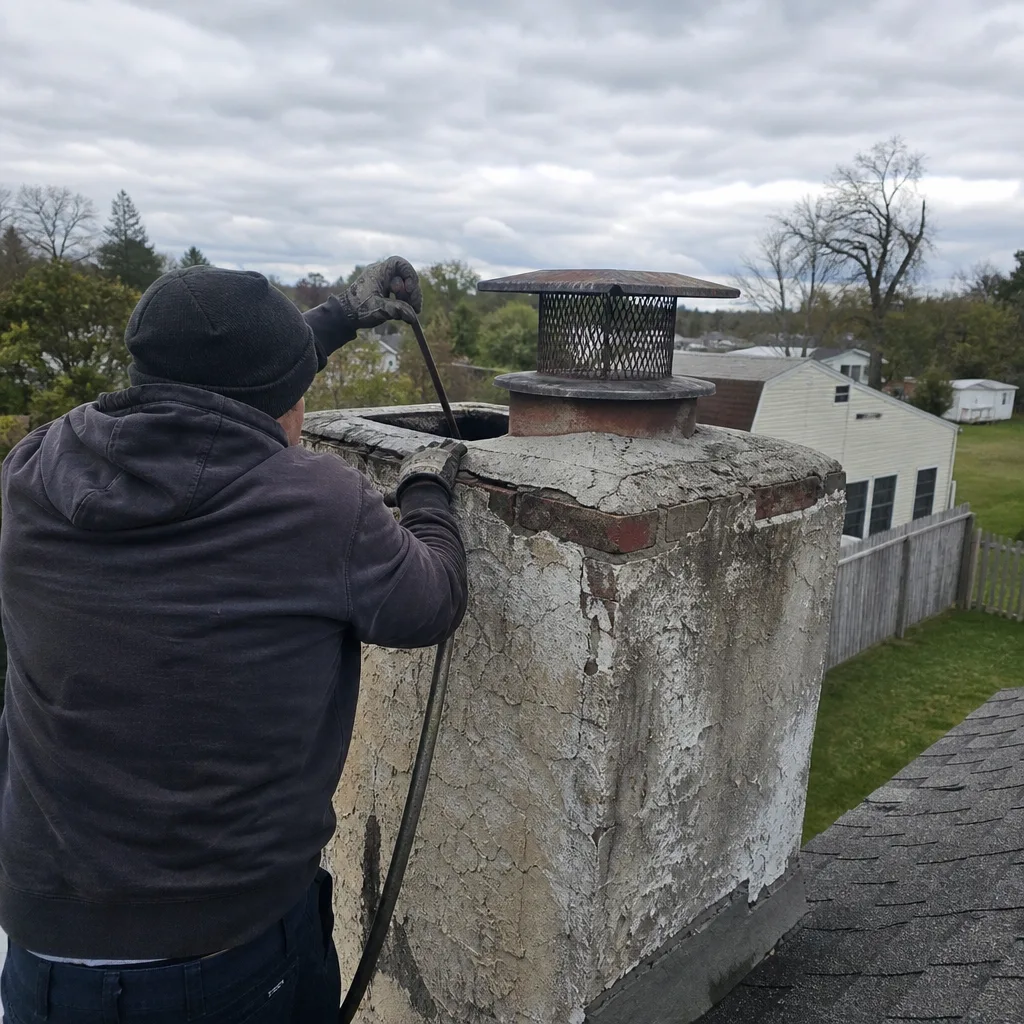 Before
 After
AfterSeasonal Chimney Cleaning Care for Quakertown: Year-Round Homeowner’s Guide
July is when Wendell finds the most damage, and it’s not because anything dramatic happens in July. It’s because the freeze-thaw cycles from last winter have had six months to quietly chew through mortar joints, and nobody thought to look up. The chimney season that matters most in Quakertown is the one nobody pays attention to. This guide walks through what actually needs attention in each season, what you can check yourself, what needs a trained eye, and why the choices you make in April and July decide whether October brings a routine sweep or an emergency liner job. For more guides & resources, see our blog.
Quick Answer
Seasonal chimney care in Quakertown means checking the exterior masonry in spring for freeze-thaw damage, scheduling your professional cleaning in late summer before the fall rush, doing a pre-burn checklist before the first fire, and managing creosote differently during the shoulder months when fires burn cooler and dirtier. Once a year, burn or no burn. Chimneys break in the off-season too, and the off-season is when most Quakertown homeowners forget they own one.
Table of Contents
- Spring: The Season of Unseen Damage
- Summer: Moisture, Animals, and the Smartest Scheduling Window
- Fall: The Startup Checklist Most Homeowners Skip
- Winter: Burning Habits That Accelerate Creosote
- Shoulder Months: The Creosote Trap Nobody Talks About
- Winterizing a Chimney You Won’t Use
- Common Mistakes to Avoid
- When to Call a Professional
- Frequently Asked Questions
- The Bottom Line
Spring: The Season of Unseen Damage
If a Quakertown chimney is going to fail, the failure starts between December and March. Bucks County sees dozens of freeze-thaw cycles every winter, and each one does what a crowbar does to a crack in a sidewalk. Water finds its way into the tiny pores of brick and mortar, freezes, expands by about nine percent, and pries the material apart from the inside. One cycle does nothing visible. Thirty cycles over a winter leaves real damage.
By May, that damage announces itself in two ways you can spot from the ground. The first is spalling: brick faces that flake off in thin sheets, leaving a rough, pitted surface where there used to be a smooth face. You’ll see the flakes on the roof below the chimney or in the gutter. The second is a white, chalky residue called efflorescence, which is mineral salt left behind when water evaporates out of masonry. Efflorescence, by itself, is not structural damage, but it tells you water is moving through the brick to a degree it should not be. In Quakertown, where older homes commonly have unlined or partially lined flues and mortar that predates modern mixes, spring efflorescence is a sign to pay attention to, not a sign to power wash and forget.
We get calls every May from homeowners who spotted one of these two signs and want to know if it’s urgent. Sometimes it’s cosmetic, and we tell them so. Sometimes the crown has hairline cracks running from the flue to the edge, and that’s a different story, because the crown is the umbrella over the whole system. A damaged crown lets water run down the inside of the chimney structure, not just the outside face. That water is working on the flue liner, and that’s the component that actually keeps combustion gases moving out of the house. Your flue doesn’t care how the fire looks. It cares how it breathes.
A quick spring inspection from the ground costs you nothing but ten minutes on a dry afternoon and could reveal the difference between a $400 masonry repair in June and a $2,500 liner rebuild in January. More, if you count the water damage to the walls around the fireplace before it gets found. If you want a professional take on whatever you found, we will look at it, and if it needs no work, you will hear exactly that.
Summer: Moisture, Animals, and the Smartest Scheduling Window
Summer in Quakertown is for getting ahead of the chimney, not for forgetting about it, and there are two jobs the season handles better than any other.
The first is moisture correction. By June, the ground has dried and masonry work cures properly. If spring showed you spalling brick or a cracked crown, summer is when the repair should happen. The alternative, waiting until fall, means racing the weather with wet mortar and shorter curing windows, and mortar that has not cured correctly before a freeze cycle is exactly the kind of repair we see fail in two seasons and have to come back and do again. It’s easier to do it right once in July than twice over two years.
The second is animal intrusion, and in this part of Bucks County, that mostly means chimney swifts and squirrels. Chimney swifts are federally protected migratory birds. If they nest in your flue, you cannot legally remove the nest until the young have fledged. Squirrels are a different matter, and summer is when they are most active looking for den sites. The telltale signs are scratching, chirping, or a bad odor that gets worse on humid days. And here is the distinction we make every summer when homeowners call: if animals got in, the root cause is almost always a missing or damaged chimney cap. The animal is the symptom; the cap is the problem. Fix the cap, and you have fixed the animal problem for good. We install Famco and Copperfield caps, and they are sized to the flue, not picked off a shelf and told close enough.
Then there is scheduling. Every Quakertown homeowner who calls in October for a sweep is competing with every other Quakertown homeowner who waited until October, and every sweep worth hiring is booked three weeks out. We have been at this since 1999, and the pattern holds every single year. Homeowners who schedule the professional sweep in August or early September get their choice of day, their choice of time, and they walk into burning season with the job already done. The phone number on the estimate is the same number that answers in winter. Call early, and you will not be the one hoping for a cancellation in late October.
There is one more benefit to a summer clean that most guides miss entirely. If we sweep in July or August, we find a problem at the very moment it is cheapest and easiest to fix. A cracked flue tile discovered in October is a repair scheduled against winter. A cracked flue tile discovered in July is a repair done in shirt sleeves with the weather on our side. The fire is not running. The family is not waiting. The schedule is open. That is the single most overlooked argument for off-season maintenance in a climate like Quakertown’s.
Fall: The Startup Checklist Most Homeowners Skip
Here is the thing about the first fire of the season in Quakertown: it does not care that nothing felt wrong last year. A chimney can take five years of off-season abuse without complaint, and then the sixth year, the first fire takes forty minutes to draw smoke into the house and you spend the evening with the windows open in late October.
Before the first burn, there is a checklist that costs nothing but attention, and most homeowners skip it because the fireplace worked fine the previous March. Run through it before the first fire of the season, not after:
- Shine a flashlight up the flue from inside the fireplace. Look for creosote that appears shiny, crusty, or tar-like. That is third-degree creosote, and it will not brush out. First-degree creosote is a brush job. Third-degree is a glaze – catch it early.
- Open the damper fully and make sure it stays open. A damper that has rusted open (or shut) changes the draft behavior of the entire system.
- Check the chimney cap from the ground. Look for a cap that is missing, tilted, or has visible debris on top. If the cap is gone, the flue has been open all summer to rain and animals.
- Look for last winter’s damage. Walk around the house and check for crumbling mortar, white chalky streaks, or brick that has lost its face. Spring’s minor issue is fall’s major expense if it sat unaddressed.
- Make sure the area around the fireplace is clear. Not just of furniture, but of anything stored too close to the firebox that could ignite from a spark that makes it past the screen.
One item that belongs on this list but can’t be done from inside the house is the annual professional inspection. In Quakertown, where oil heat and wood stoves are both common, the flue is doing real work for a good portion of the year, and the difference between a clean flue and a dirty one is not visible until it is dangerous. We will run a camera if we find something worth seeing, and we will show you the footage and a plain-English verdict – every time, no exceptions. Nothing is recommended without the picture to back it up.
If you want to see what a proper Chimney Cleaning & Sweep in Quakertown involves, that page walks through the process step by step, including what the camera shows and what it doesn’t.
Winter: Burning Habits That Accelerate Creosote
Winter is when the chimney works hardest, and in Quakertown the cold season lasts long enough that burning habits become maintenance habits, whether the homeowner thinks of them that way or not.
The most common mistake is burning wet or unseasoned wood. Fresh-cut oak can be 35 percent water by weight, and every pound of water that goes up the flue as steam cools the smoke and deposits creosote faster than dry wood ever would. Seasoned wood should have been split and stacked for six to twelve months minimum before it reaches the firebox. You can tell unseasoned wood by the hiss it makes when it burns, the smoke that pours out of the chimney even with a good fire, and the sizzling sound from the ends of the logs.
The second mistake is building small, smoldering fires instead of hot, clean ones. A fire that burns at 250 degrees deposits creosote at a rate that surprises people. A fire that burns hot and bright for a shorter period produces less creosote, even though it uses more wood in the hour. That is the physics of it: lower temperature smoke means condensation in the flue, and condensation is how creosote sticks.
The third mistake is ignoring the signs that the flue is not drawing. Smoke rolling into the room when the fire is lit, a fire that is hard to start despite good dry wood, a smell of smoke in the house hours after the fire is out. These are not things to live with. They are the chimney telling you something. Most of the time it is a blockage or a creosote accumulation. Sometimes it is a drafting problem that needs a different approach. All of it is fixable.
For homeowners who notice a problem mid-season, the question is whether to burn through the winter or stop and call. If the flue is functional and the creosote is minor, a scheduled sweep in spring is fine. If the fire is smoking back or the creosote is visibly glazed, stop burning and call. A chimney fire is not a winter inconvenience. It is a house fire that started in the flue and is waiting for the right conditions. We would rather come out on a cold February Tuesday to look at a concern than have you find out at 2 a.m. that the concern was justified.
Shoulder Months: The Creosote Trap Nobody Talks About
If you burn wood in Quakertown, the most dangerous months for creosote formation are not January and February. They are late October, early November, and then late March into early April. Homeowners who burn through those shoulder months do not get the kind of rip-roaring, all-evening fire the cold midwinter months produce. They get a smaller fire, burned for a shorter window, often with the damper adjusted down to hold the heat, and that produces a cooler, smokier burn that deposits creosote faster than the hot winter burn ever could.
Here is the pattern we see in the field, repeated across thousands of Quakertown chimneys: a homeowner has the flue swept in October, burns heavily through the cold months, and by March the flue is dirty again, not because the October sweep was inadequate, but because March fires are dirtier fires. That homeowner thinks they are good until next fall. They are not. A flue that was pushed through a dirty shoulder season needs attention before storage, not after.
There is a simple rule that fits this climate: if you burn in the shoulder months, you should be checked more often than once a fall. The exact interval depends on what you burn, how often, and how hot you let it run. Wendell will tell you straight up what the flue shows and when to have him back. We do not schedule automatic visits just to bill them. If you do not need a sweep yet, you will hear that.
Winterizing a Chimney You Won’t Use
A growing number of Quakertown homeowners are switching from wood to gas, or decommissioning a fireplace entirely, and they assume that not using the chimney means not maintaining it. The opposite is closer to the truth. An unused chimney still sits on top of the house in the same rain, the same freeze cycles, the same wind, and the same animal activity. The only difference is that nobody is looking at it every week because there is no fire to tend.
Winterizing an unused chimney is simpler than maintaining an active one, but it is not nothing. The steps that matter:
- Have the flue cleaned before you stop using it. The creosote from your last season of burning is still in the flue, and creosote is hygroscopic: it absorbs moisture from the air and becomes more corrosive, not less, as it sits. A dirty unused chimney deteriorates faster than a clean one.
- Install a proper cap with a screen. Rain, snow, leaves, and every animal looking for a winter den site are all trying to get into an open flue. A properly sized cap ends all of it. If you are switching to a gas appliance, the cap needs to be compatible with the new liner, and it should be.
- If the fireplace is being decommissioned permanently, seal the top of the flue with a cap that blocks rain but not airflow. Completely sealing a flue can trap moisture against old masonry. The cap should breathe.
- Keep the damper closed when the fireplace is not in use. This stops the chimney from acting as a cold-air chimney that pulls warm air out of the house all winter long.
For a fireplace that is switching from wood to gas, the conversion is more involved than dropping in a gas log set. The flue often needs a new liner sized for the gas appliance, and in many cases the old wood-burning flue is too large, which cools the exhaust and creates condensation, which is how gas flues rot from the inside. We work with DuraFlex and HeatShield liners on conversions like this, and the liner gets matched to the appliance, not the other way around. A Fireplace Services in Quakertown page covers wood-to-gas conversions and what the process actually looks like, timeline and all.
Common Mistakes to Avoid
- Waiting until October to schedule the sweep. Every Quakertown sweep is booked three weeks out by early October. The homeowners who schedule in August get their choice of days. The ones who wait get whatever is left, or they burn dirty for a month hoping a cancellation opens up.
- Ignoring spring efflorescence. That white chalky residue on the brick is water moving through the masonry, and it means the freeze-thaw cycles have been at work. It is not a cosmetic stain. It is the early warning signal for spalling and crown damage.
- Burning unseasoned wood in the shoulder months. Wet wood plus a small, short shoulder-season fire is the fastest creosote recipe in this climate. A flue that was clean in October can be dangerously loaded by March.
- Assuming a capped chimney needs no attention. A cap stops animals and most rain, but it does not stop the freeze-thaw cycle on the exterior masonry, and a cap that is the wrong size or loose is worse than no cap at all.
- Treating an unused chimney as a maintenance-free chimney. The worst chimneys we see in Quakertown are often attached to fireplaces that have not been lit in years. Nobody noticed the slow deterioration until the water stain showed up on the living room ceiling.
- Trusting a chimney fire’s reputation as a rare event. Chimney fires in Bucks County are not rare. They are regular, they are devastating, and they are almost always preventable with a sweep at the right interval. Ask anyone on your street.
- Putting off a damaged crown because the leak is slow. A slow leak has been working on your flue liner the whole time. By the time the leak is visible inside the house, the liner damage is often already done.
When to Call a Professional
Call when you see crumbling brick, white chalky streaks, a missing or tilted cap, or a chimney that smokes back into the room. Call if you hear animals in the flue, smell smoke when there is no fire, or find water in the firebox after rain. Call if the fireplace worked fine last year and now it does not. These are not DIY situations, and the higher up the diagnosis goes, the more dangerous the ladder gets. Wendell and his crew inspect and diagnose from the top of the chimney when it is safe to do so, with the right equipment and the experience to know what they are looking at. Top Hat Chimney offers free estimates in Quakertown – call (484) 603-6713 and Wendell will take the call himself.
Frequently Asked Questions
Once a year, burn or no burn. Homes that burn heavily through the shoulder months, or burn green wood, or use the fireplace as a primary heat source may need a mid-season check as well. The answer is in what the flue shows, not in a calendar. If you are not sure, call (484) 603-6713 and we will tell you what we would do for our own house.
A standard chimney cleaning in the Quakertown market generally runs between $200 and $350, depending on what is found and what the flue needs. See our Chimney Cleaning Cost Breakdown: The Quakertown Homeowner’s Reference for 2026 for full details. The number you hear on the phone is the number on the invoice, and that price is locked before a single tool comes off the truck. We will not call you from the driveway with a new number.
Not always. If the existing liner is the correct size for the gas appliance and in sound condition, you may not need one. If the liner is oversized (common with wood-burning flues), or the clay tile is cracked, then yes, the gas exhaust will condense and the liner will fail from the inside. We will show you the camera footage that supports whatever we recommend, and if no liner is needed, we will say so.
Creosote accumulates, and in a cold climate like Quakertown’s, it accumulates faster than most homeowners believe. The first stage is reduced draft. The second is a chimney fire waiting on the right conditions. The third is a house fire. The sweep costs less than the deductible, and it takes about an hour. If you have not had one in a while, call (484) 603-6713 for a free estimate.
If animals are in the flue, the cap is almost always the reason. It is missing, damaged, or sized wrong. The animal is the symptom; the cap is the problem. Replace the cap with the right size for your flue, and the animal problem ends. We install Famco and Copperfield caps sized per flue, not per shelf inventory.
If the flue has not been cleaned in over a year, or you are not sure of its condition, do not burn until it has been inspected. The downside of waiting is missing a few fires. The downside of burning blind is a chimney fire. If you are in doubt, call (484) 603-6713 and we will help you figure out what you are looking at.
The Bottom Line
Your Quakertown chimney is a system that works year-round, whether you light a fire or not. The masonry is fighting the weather every winter, the flue is collecting creosote every time you burn, and the cap is the only thing standing between the flue and the animals. The maintenance rhythm that actually works is simple: check the exterior in spring, schedule the sweep in late summer, check the cap and damper before the first fire, burn dry wood, and treat the shoulder months as the real creosote season. One call a year, at the right time, keeps a chimney safe and working for decades. Top Hat Chimney has been serving Quakertown since 1999, and we will be here next year to do it again.
For scheduling, estimates, or a question about something you are seeing on your own chimney, call (484) 603-6713. Wendell answers the phone. And if you would like to see more about the services behind this guide, the Top Hat Chimney home page covers the full scope of what we do, and the Chimney Repair in Quakertown page covers what happens when a seasonal check turns up something that needs fixing.
Written by Wendell Pike, Owner at Top Hat Chimney, serving Quakertown since 1999.