
Level 1 sweep and inspection to the NFPA 211 annual standard - flue, crown, cap, and flashing checked and photographed
Chimney sweep logs do not sweep chimneys. They loosen some creosote - which then falls where a brush and vacuum still have to collect it.
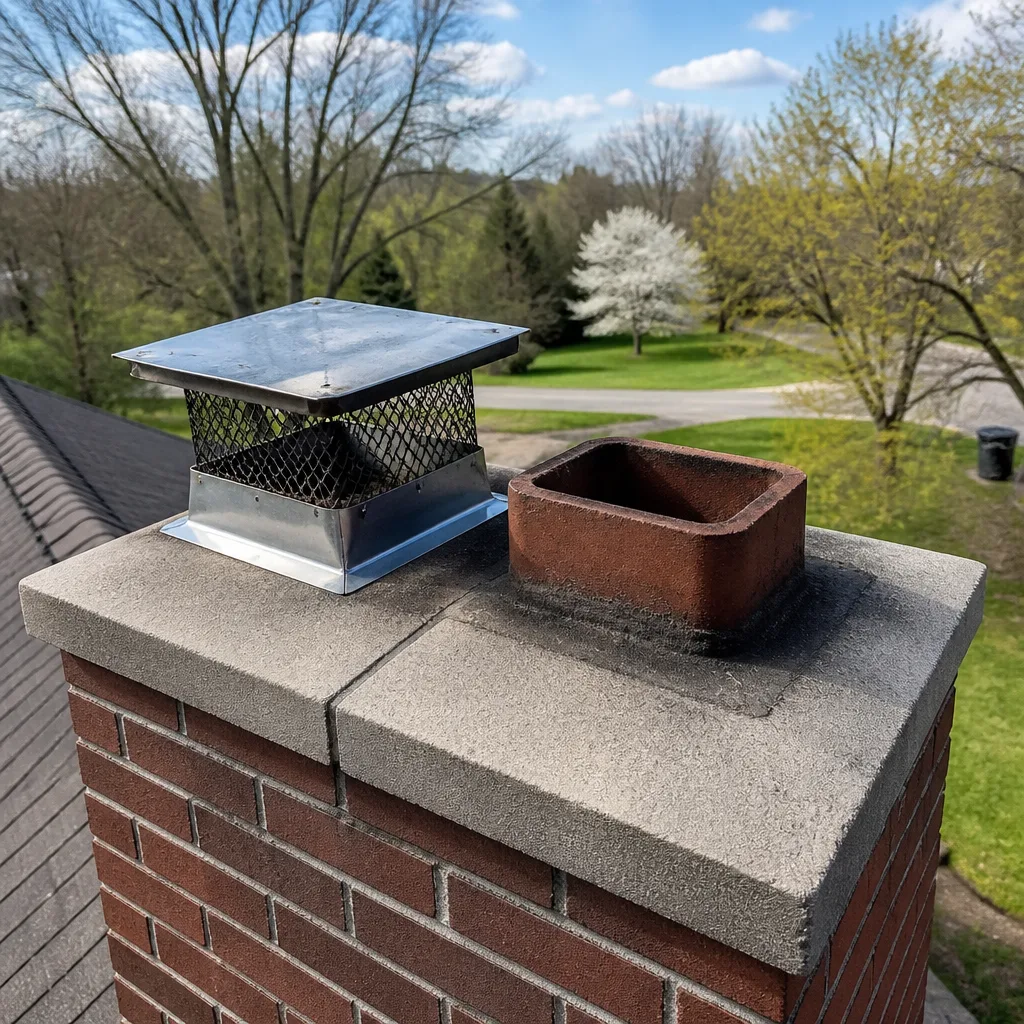
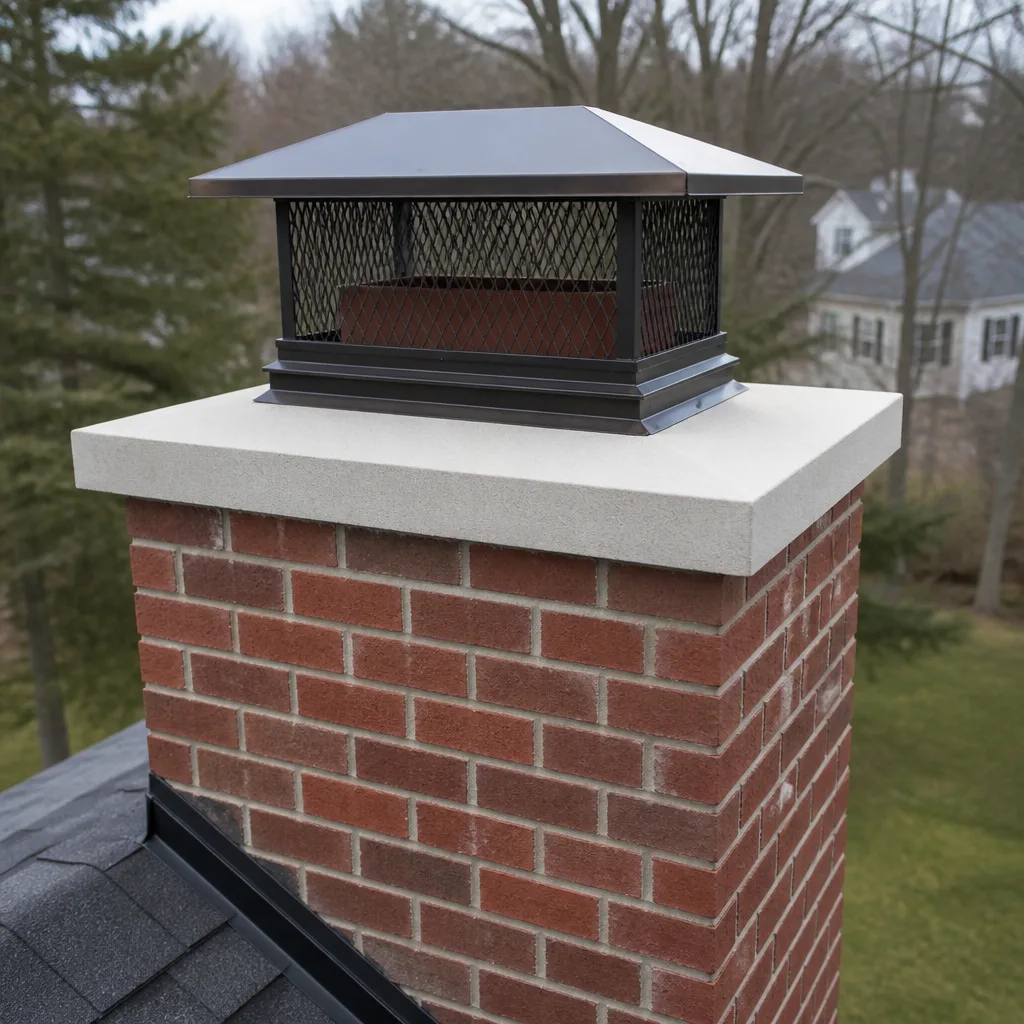
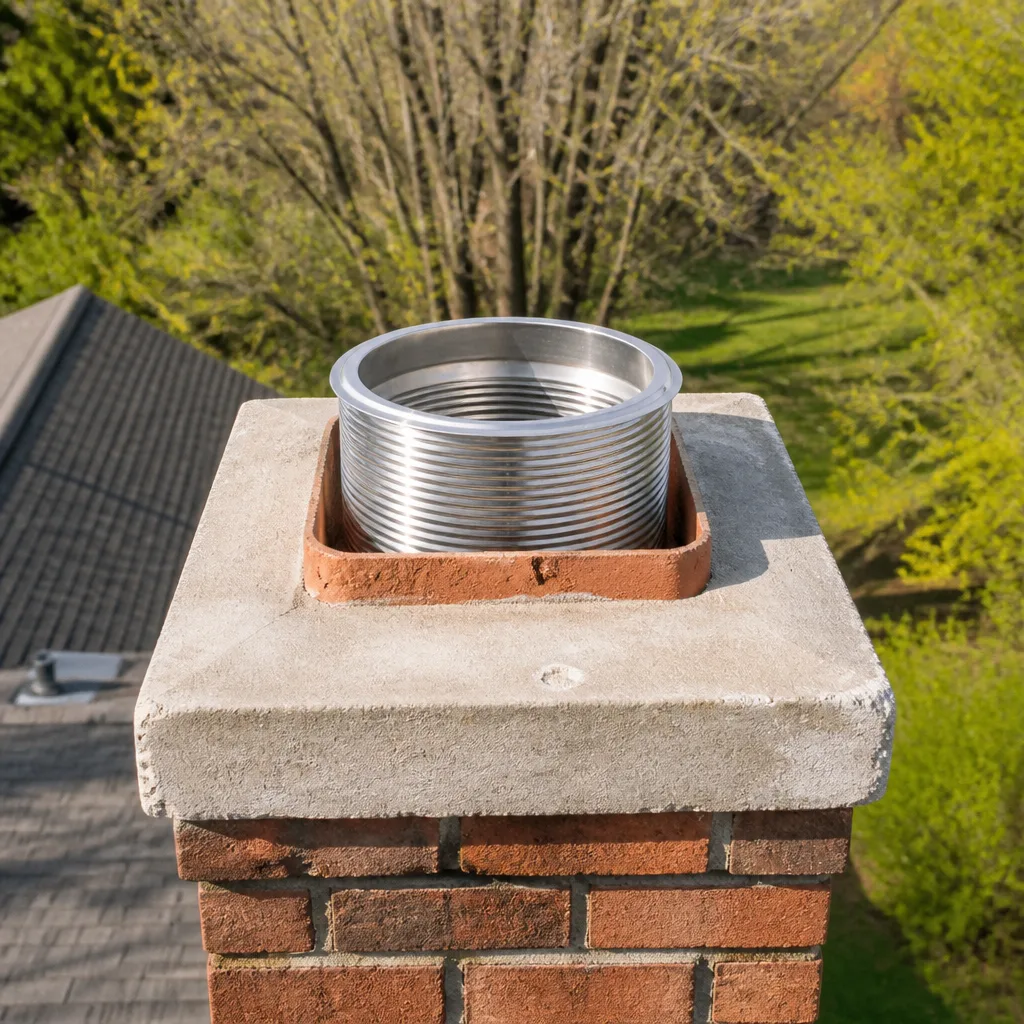
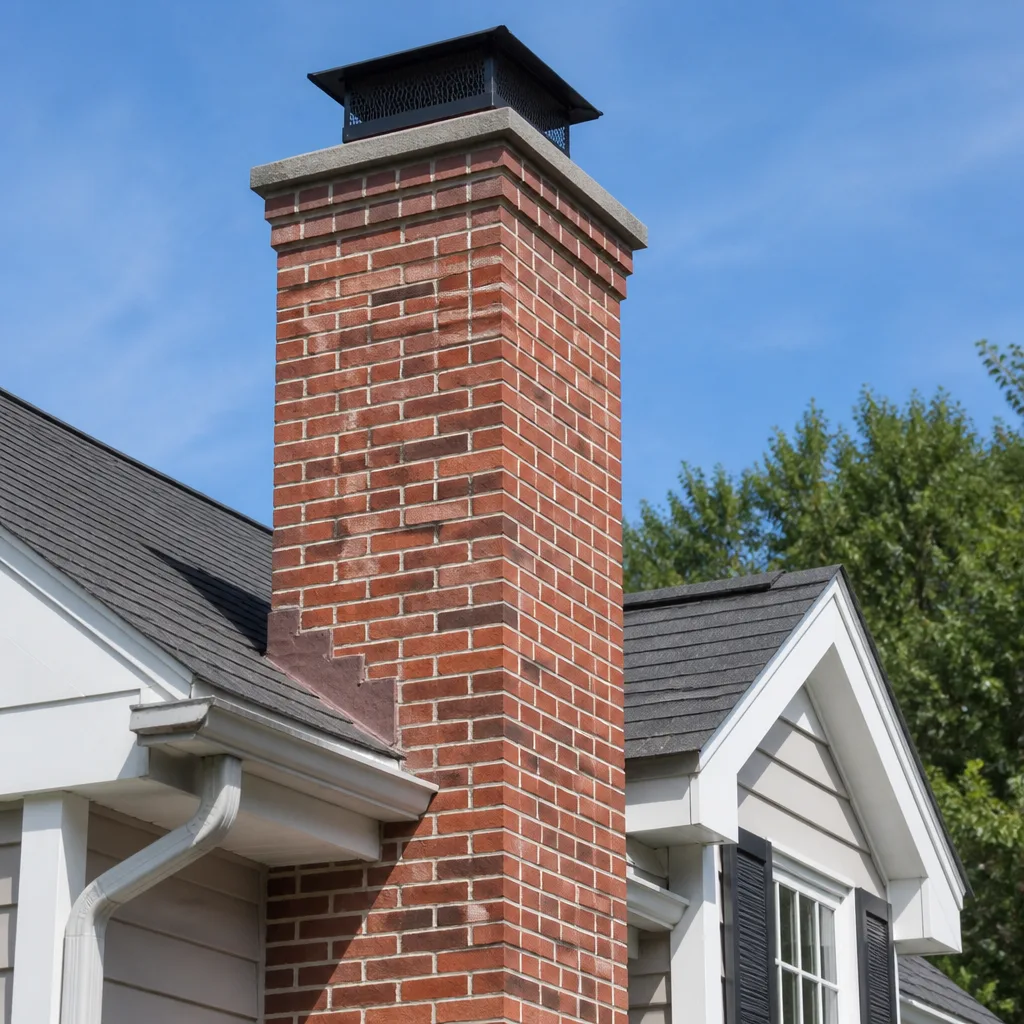
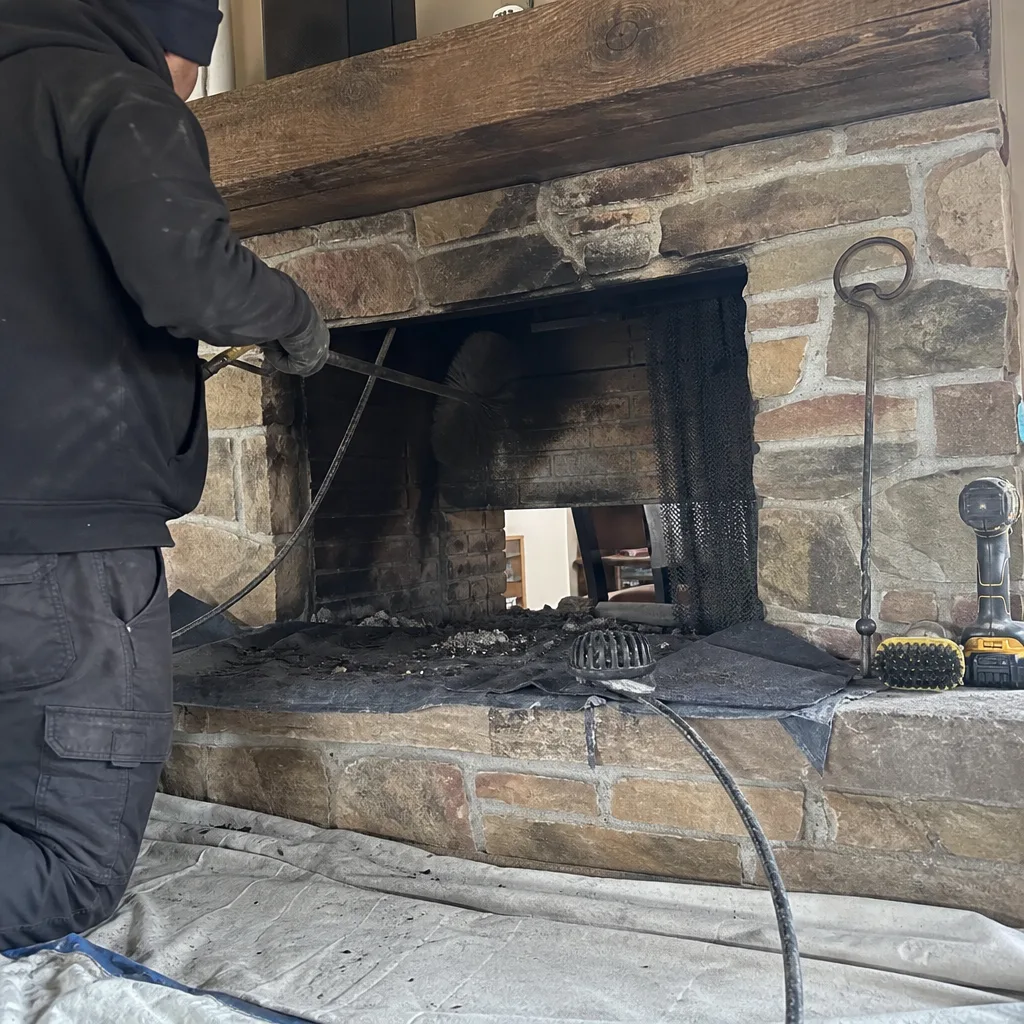 Before
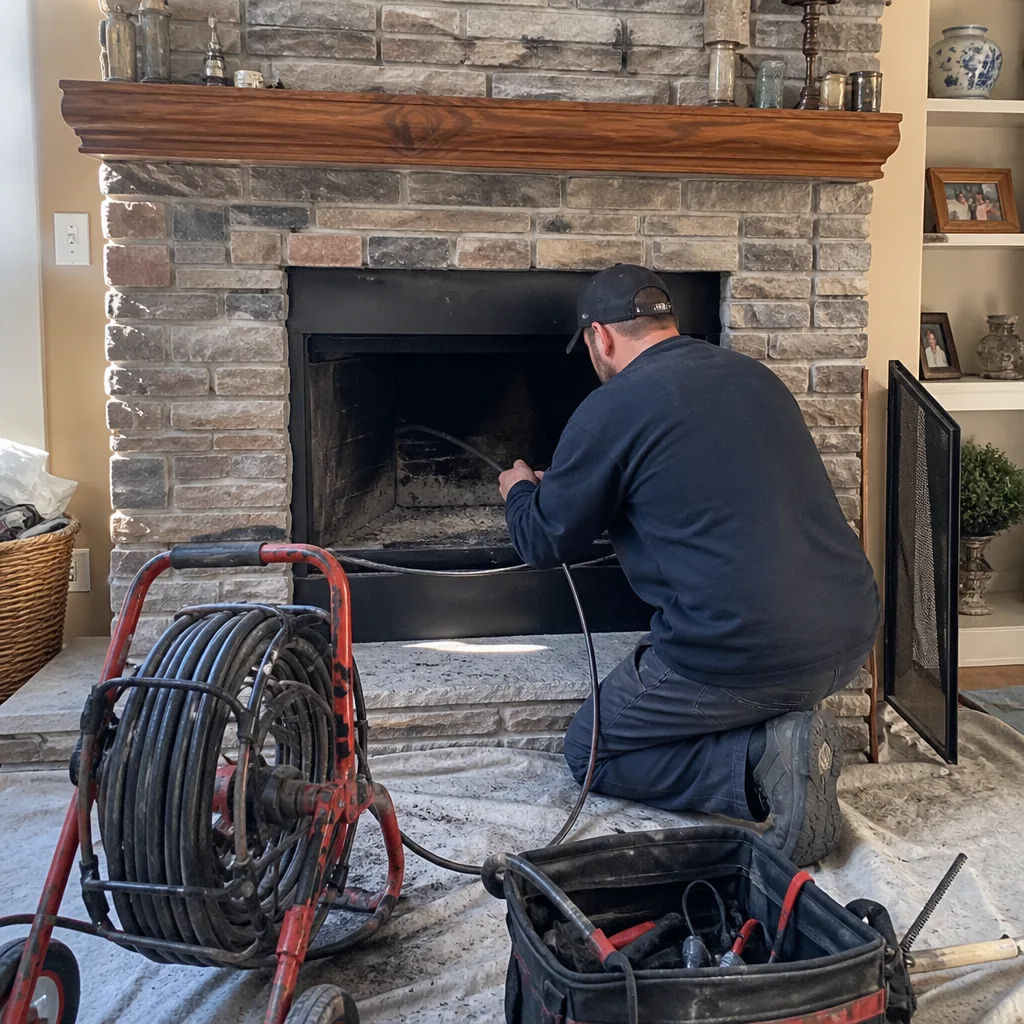 After
After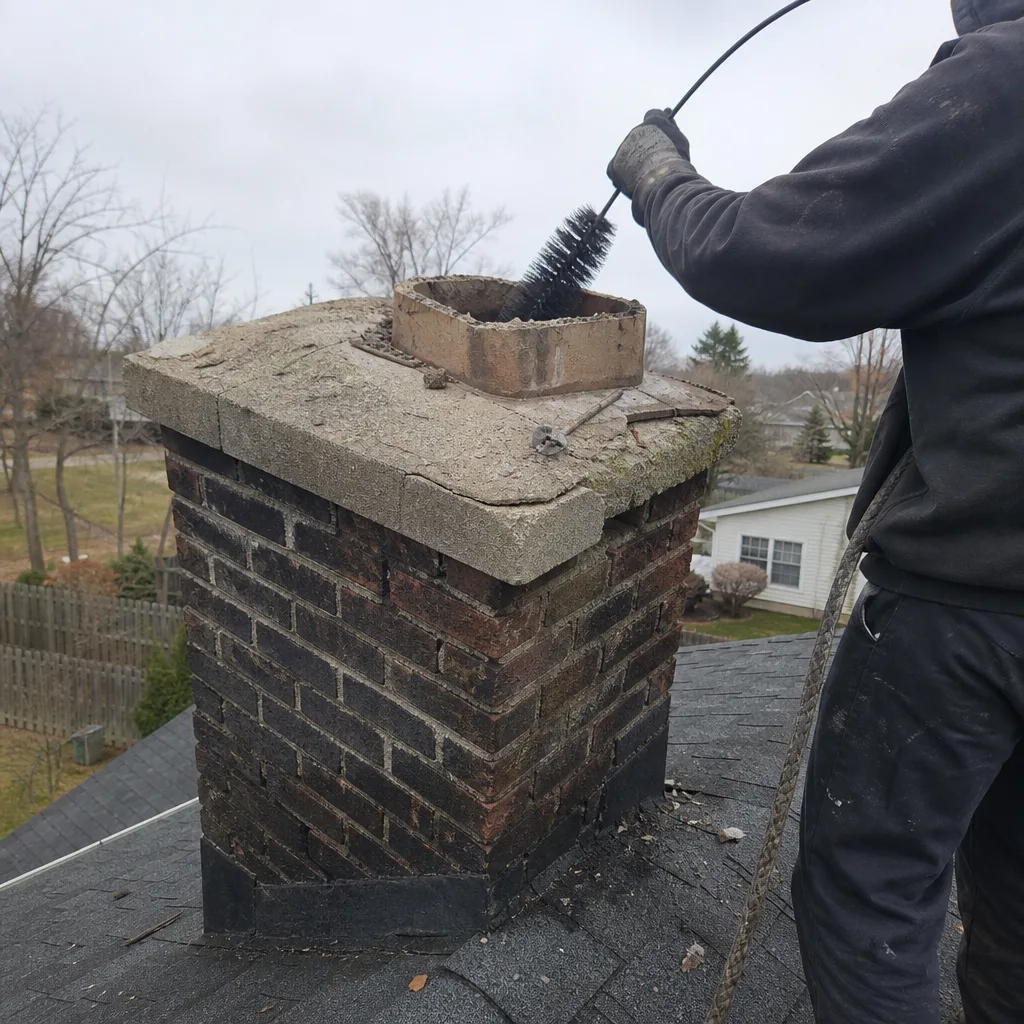 Before
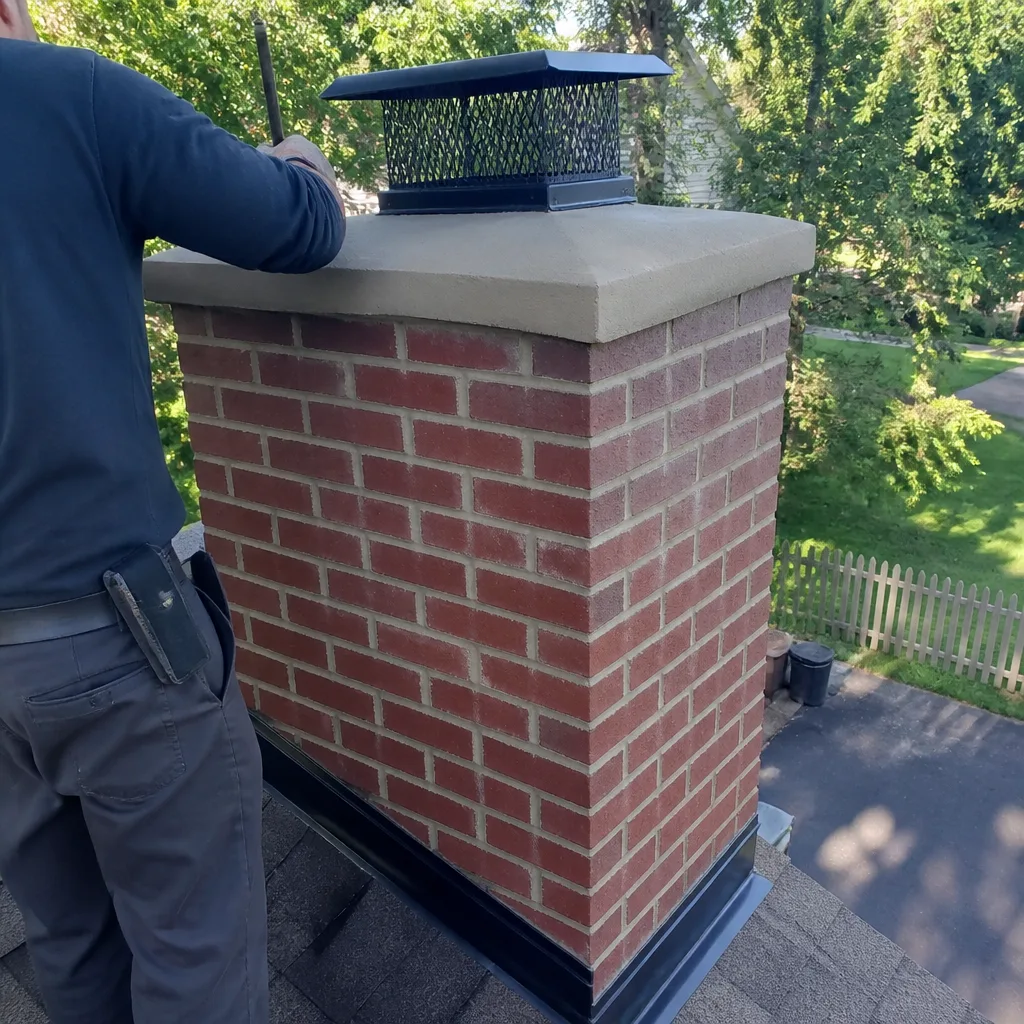 After
After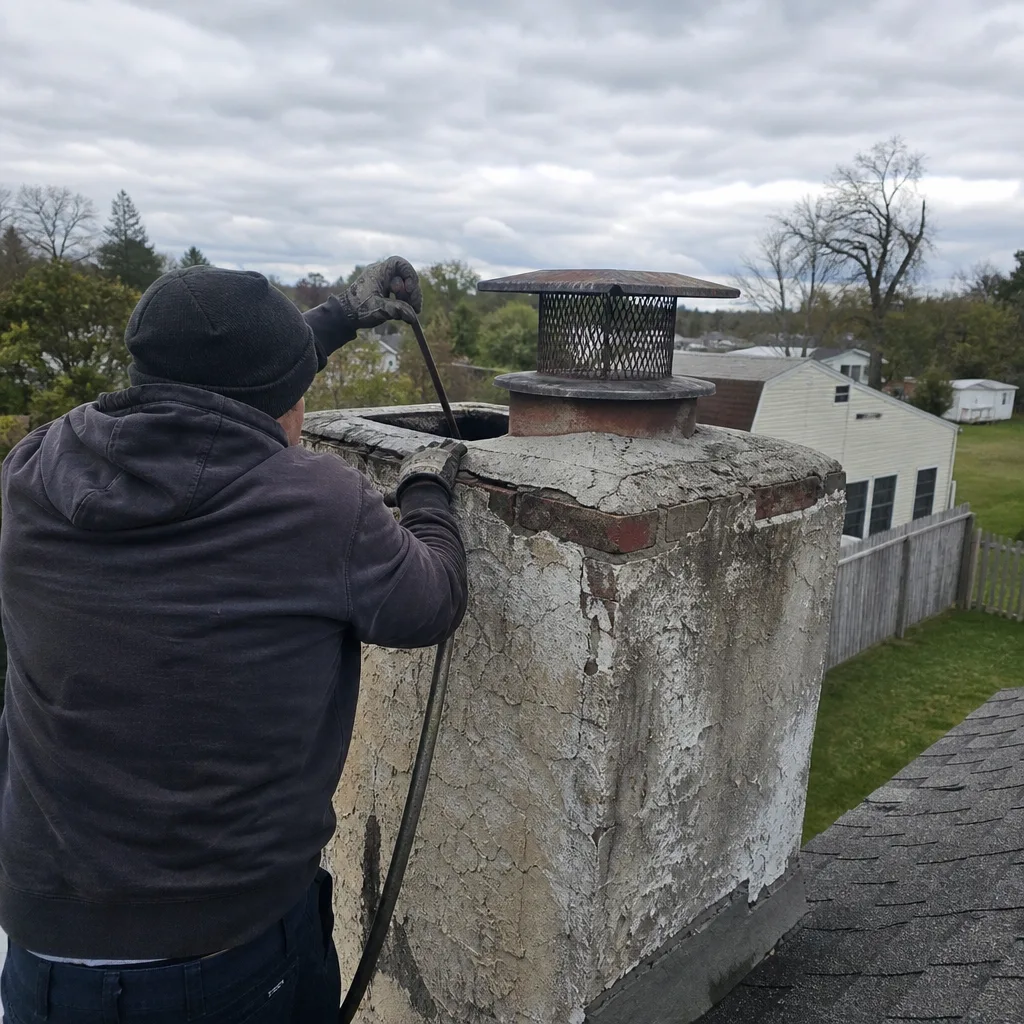 Before
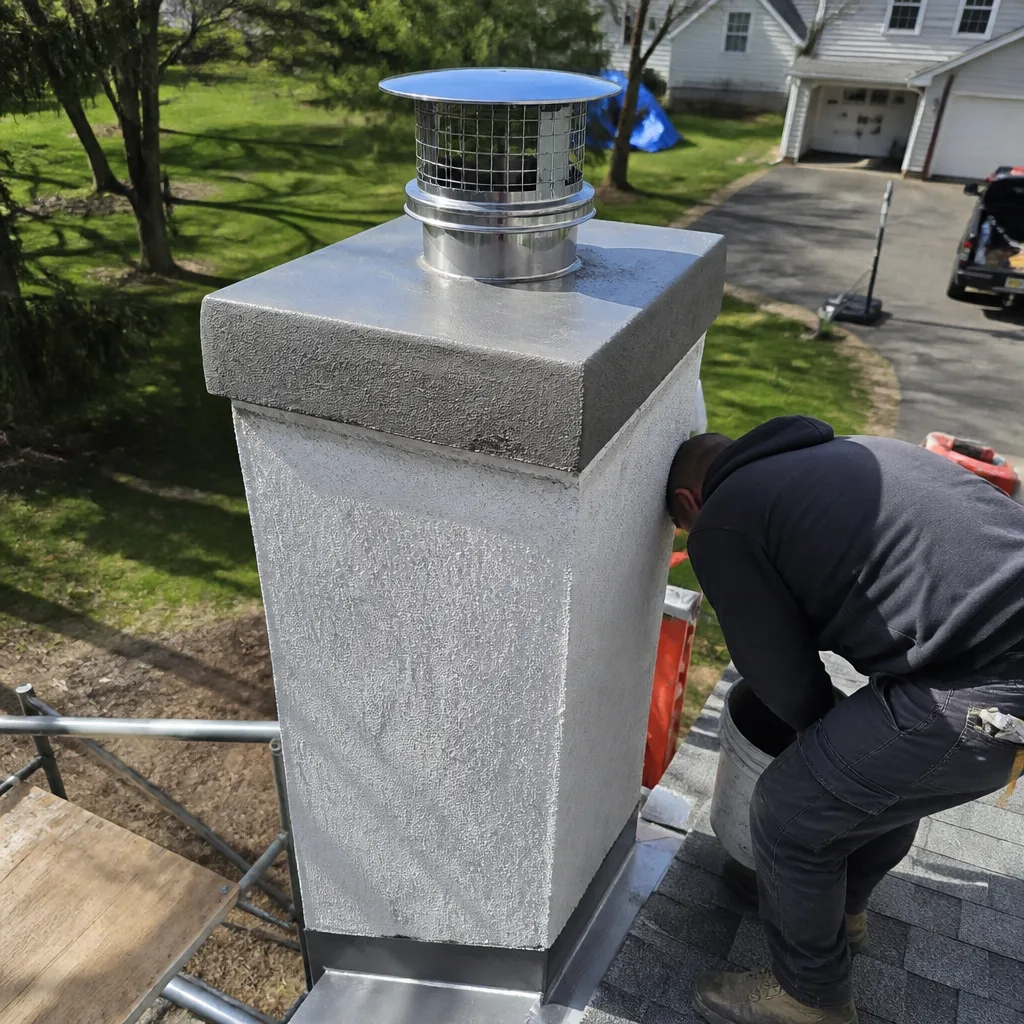 After
AfterWhy Quakertown Homeowners Choose DuraFlex Chimney Cleaning
We provide independent DuraFlex chimney cleaning & sweep and repair service throughout Quakertown, PA, with over 20 years of hands-on experience working on these specific stainless steel liners. What separates our DuraFlex work from a general sweep is simple: we know where these liners fail, why they fail, and what actually fixes them without voiding your warranty. Top Hat Chimney is not an authorized DuraFlex dealer or affiliate – we’re an independent service provider, which means we tell you the truth about what your liner needs, even when that truth is “it’s fine, leave it alone.” Call (484) 603-6713 for a straight answer.
Duraflex in Quakertown faces particular challenges from the borough’s older housing stock. The borough’s pre-Civil War row homes and colonial-era residences were built with multi-flue masonry chimneys originally meant for coal and wood. When those chimneys were converted for modern gas or oil appliances, flexible stainless liners often got retrofitted through flues that were never designed for them. Sharp offsets, original clay tile remnants, and tight turns put stress on flexible liners that a straight vertical run never would. Add upper Bucks County’s aggressive freeze-thaw cycling – Quakertown sits roughly 450 to 500 feet above sea level and takes the brunt of Nor’easters that push wet snow up the I-95 corridor – and you get expansion, contraction, and corrosion patterns that homeowners in Philadelphia’s closer suburbs rarely see. That’s why a DuraFlex liner here needs a sweep who understands the local conditions, not just the product spec sheet.
Why Trust Top Hat Chimney for Your DuraFlex Chimney Cleaning?
Wendell Pike founded Top Hat Chimney in 1999, and he’s spent enough winters in Bucks County to know why Quakertown homeowners take their fireplaces seriously come October. He picked up the trade at Palomar College, then spent the better part of two decades working his way through flues, fireboxes, and dampers until the work became second nature. These days he and his crew have cleaned chimneys all across the area, including Milford Duraflex service calls and plenty of the older homes near Tohickon Creek where the stonework is beautiful and the creosote buildup will humble you fast.
When it comes to DuraFlex specifically, our crew has installed, cleaned, and repaired these liners in enough Quakertown homes-and provided Duraflex service in Telford-to know their tolerances cold. We understand the corrugation pitch, the alloy differences between 304L and 316TI, and the failure points that show up after five, ten, or fifteen years of regular burning. We use OEM-compatible parts and rotary tools designed for flexible liners – not the standard steel brushes that can scar the corrugations and leave creosote packed in the valleys. Every DuraFlex job we complete is backed by our 90-Day Done Right Promise in writing: if it’s not right, one call brings Wendell back. No charge, no argument.
And if it doesn’t need doing, I’ll tell you that too.
Common DuraFlex Chimney Cleaning Problems We Fix in Quakertown
- Creosote packed between corrugations. DuraFlex flexible liners have a spiral corrugation pattern that does exactly what it’s designed to do – flex. But those corrugation valleys are exactly where creosote settles and hardens. Standard flat-wire brushes skate right over the ridges and leave the valleys loaded. In Quakertown’s rural townships – Richland, Milford, West Rockhill – where homeowners burn wood as primary supplemental heat and often smolder fires overnight to stretch a cord, we routinely find Stage 2 and Stage 3 glazed creosote that only a rotary whip with the right head will remove. A standard brush job leaves the liner looking clean while the real fire risk stays packed in the grooves.
- Liners losing their circular shape at sharp offsets. When a DuraFlex 304L liner gets pulled through a Quakertown chimney with a tight offset or a partial clay tile obstruction, it can deform. What was a round flue becomes an oval, and an oval doesn’t draft the way it should. We’ve seen liners that looked fine from the top but were pinched nearly flat six feet down, hidden behind the original masonry. This creates dead spots where soot and creosote accumulate, and it reduces draft enough that a homeowner notices the fireplace just won’t behave on windy days. We catch this with camera inspection before we ever put a brush in.
- Pitting at the base of 316TI liners on gas units. The DuraFlex 316TI liner is built for corrosion resistance, but high-efficiency gas appliances produce acidic condensate that pools at the lowest point of the run. Over time, that condensate eats at the liner wall, typically in the bottom one to two feet above the appliance. We see this in Quakertown homes converted from oil to gas in the 1980s and 1990s, where the liner was sized for the old unit and now runs cooler and wetter than it should. Regular cleaning should include a camera pass at that lower section – if we catch pitting early, a section patch is often all that’s needed. Wait too long and the wall perforates.
- Liner-to-tee connections loosening after thermal cycling. Every fire heats the liner, and every cold night contracts it. Do that a few hundred times and the connection between the liner and the tee at the base of the chimney starts to work loose. Homeowners in Quakertown’s historic district feel this as fly ash accumulating in the cleanout area or a faint smoke smell in the basement even when the damper is closed. It’s a straightforward fix – reseat the connection, replace the band clamp if it’s worn – but it requires someone who knows how much torque the joint should take. Over-tighten and you crush the liner. Under-tighten and the leak comes back in six months.
- Freeze-thaw damage at the crown accelerating liner corrosion. Here’s the Quakertown-specific problem we see more than anything else. The crown – the concrete cap at the top of the chimney – takes the full brunt of our winters. Wet snow settles, melts, refreezes, and slowly cracks the crown. Water gets into the chimney chase, runs down the outside of the DuraFlex liner, and sits there. The liner corrodes from the outside in. By the time a homeowner notices rust staining or a smoky smell, the liner has lost structural integrity. We check the crown on every DuraFlex service call in Quakertown, because a cracked crown means your liner is living on borrowed time.
DuraFlex Parts & Our Repair-vs-Replace Approach
We source OEM DuraFlex components when they’re available, and for current-production liners and kits, that’s most of the time. But DuraFlex has been making liners for decades, and some of the older kits installed in Quakertown homes are no longer in production. For those, we use high-grade 316L stainless aftermarket parts that match DuraFlex’s corrugation pitch. The important thing is that the metal matches the existing liner’s alloy and profile – mixing alloys in a flue is how you create galvanic corrosion at the joint.
Our repair philosophy is simple: we replace the damaged section, not the whole liner, unless more than 40% of the liner shows wall thinning or perforation. We’ve cut out and patched dozens of DuraFlex liners in Quakertown where the upper section was still solid and only the bottom few feet near the appliance had degraded. That saves homeowners thousands versus a full reline. But we don’t patch a liner that’s near the end of its service life either – that’s just kicking the problem down the road and charging you twice. Camera footage decides. Always.
If you’ve got a competing written estimate for your DuraFlex liner work, bring it in. We’ll give you a free second opinion on it, and you can judge for yourself whether the recommendation matches what the camera shows. Call (484) 603-6713.
Our DuraFlex Service Process - Step by Step
- 1
Camera inspection first. Before we touch a DuraFlex liner, we run a camera through it. We’re looking for the specific failure patterns – creosote packing in corrugations, wall thinning, deformation at offsets, loose connections. You see the footage. If the liner is sound, you’ll hear that from us directly. No invented problems, no padded invoice. This is a Level 2 inspection, which DuraFlex’s own documentation calls for on liners that have been in service over five years.
- 2
Clean with liner-specific tools. If cleaning is what’s needed, we use rotary whips and heads designed for flexible lined chimneys – never standard steel brushes that scar the corrugations. For Stage 3 glazed creosote, we may need to apply a chemical treatment first and return for a follow-up sweep. That’s common in Quakertown’s rural townships where low-temperature overnight burning is standard practice. One visit isn’t always enough for a heavily glazed liner, and we’ll tell you that before we start.
- 3
Repair or replace the damaged section. Damper plates, section patches, connection reseating, crown work – whatever the camera showed. We price the work upfront, before a single tool comes off the truck, and the number we quote is the number on the invoice. No surprises at the door.
- 4
Post-repair camera pass and draft test. After the repair or cleaning, we run the camera again and confirm draft with a smoke test. You get a photo report showing the liner’s condition before and after. If it’s not right, we’re still there and we’ll make it right.
- 5
Your 90-Day Done Right Promise, in writing. Every completed DuraFlex service in Quakertown comes with our written guarantee. If something’s not right within 90 days, one call brings Wendell back at no additional cost.
DuraFlex Products We Service & Install in Quakertown
We service and install the full DuraFlex line you’re likely to find in Quakertown homes: the DuraFlex 304L Stainless Steel Liner, the DuraFlex 316TI Stainless Steel Liner for high-efficiency gas applications, the DuraFlex Pro 304L liner for heavier-duty residential and light commercial use, and the DuraFlex 304L Flexible Chimney Liner Kit. We keep common connector components, tees, caps, and damper assemblies in local stock for fast turnaround on Section patches and connection repairs. For full relines, we order the exact length and diameter matched to your appliance and flue – no generic sizing.
We Also Service These Brands
DuraFlex isn’t the only liner we work with. We also service and install HeatShield and Gelco systems, along with Olympia Chimney, Famco, and Copperfield components. That matters if you’ve got a mixed system – a DuraFlex liner with a Gelco cap, for example – or if you inherited a chimney with parts from multiple manufacturers. We’ll tell you what’s worth keeping and what’s past its service life, regardless of the name stamped on it.
FAQs - DuraFlex Chimney Cleaning Service in Quakertown
What inspection level does DuraFlex recommend for a flexible liner that’s been in place over 5 years?
A Level 2 inspection is the standard for any flexible liner over five years old, and it’s what we perform on every DuraFlex service call in Quakertown. This includes a full camera pass of the liner interior, the connections, and the crown – because a liner that looks fine from the top can hide wall thinning or creosote packing mid-run that only the camera catches. Call (484) 603-6713 to schedule yours, and you’ll see the footage yourself.
Can a DuraFlex 304L liner be cleaned with standard steel brushes?
No, and this is one of the most common mistakes we see from generalist sweeps. Standard flat-wire or steel brushes are designed for rigid flue tiles, not flexible corrugated liners. They scar the corrugation ridges and leave creosote packed in the valleys – the exact places where a DuraFlex liner holds its fire risk. We use rotary whips with heads matched to the liner’s corrugation pitch, and for heavy Stage 3 glaze in Quakertown’s wood-burning rural homes, chemical treatment before the mechanical sweep. The brush matters as much as the sweep.
Why does my DuraFlex liner smell like smoke only during the first fire of the season?
That’s typically one of two things, and we see both regularly in Quakertown. The first is creosote that soaked into the liner walls during shoulder-season fires – when you light that first hot fire of the season, the heat releases the odor. The second is a damper that won’t fully open after sitting all summer, often due to rusted linkage. We found exactly this in an 1890s Quakertown twin recently: a DuraFlex 316TI liner with heavy creosote packed into the lowest corrugations above the insert, plus a damper plate that wouldn’t open more than halfway. A rotary whip cleared the creosote, we replaced the damper plate, and the draft came right back. Seasonal smoke smell is a sign something’s not moving air the way it should. Call (484) 603-6713 and we’ll find out what.
Do you ever cut out and patch a section of DuraFlex instead of replacing the whole liner?
Yes, and often. We only replace the damaged section unless more than 40% of the liner shows wall thinning or perforation. A DuraFlex liner that’s solid in the upper run but pitted at the bottom near the appliance is a perfect patch candidate – you save thousands versus a full reline and the liner serves for years more. But we don’t patch a liner that’s near the end of its service life, and we’ll show you the camera footage either way. The camera footage and a plain-English verdict – every time, no exceptions.
How do you know if a DuraFlex Pro liner’s corrugations have lost their structural integrity?
Structural integrity in a DuraFlex Pro liner comes down to wall thickness, circular shape, and connection tightness – and all three are visible on camera if you know what you’re looking at. We’re checking for wall thinning under a bright light, deformation at offsets where the liner pulled through a tight turn, and any separation at the seams where the corrugations meet the tee. In Quakertown specifically, we’re also looking for corrosion from crown leaks – freeze-thaw cycles up here crack crowns fast, and water running down the outside of a liner eats it from the outside in. If we can’t see the full liner clearly on camera, we’ll tell you that too, and we won’t guess.
How much does DuraFlex chimney cleaning cost in Quakertown?
A standard DuraFlex liner cleaning in Quakertown runs $195 to $350 depending on liner length, creosote stage, and whether chemical treatment is needed for glazed buildup. A Level 2 camera inspection adds $149 to $199. Section patches start around $400 and go up based on the damaged length. Full relines run $2,800 to $6,500 depending on diameter, height, and access from the roof. We quote upfront before any work begins, and the number you hear on the phone is the number on the invoice. Call (484) 603-6713 for an exact quote – estimates are free, and there’s no trip charge inside the county.
Book Your DuraFlex Service in Quakertown, PA
Wendell answers the phone himself most days. Tell him what your DuraFlex chimney is doing – or not doing – and he’ll tell you straight whether it needs a sweep, a patch, or nothing at all. Call (484) 603-6713 for a free estimate, and we’ll get you on the schedule before burning season. Your flue doesn’t care how the fire looks. It cares how it breathes.
Written by Wendell Pike, Owner at Top Hat Chimney, serving Quakertown since 1999.