
Level 1 sweep and inspection to the NFPA 211 annual standard - flue, crown, cap, and flashing checked and photographed
Chimney sweep logs do not sweep chimneys. They loosen some creosote - which then falls where a brush and vacuum still have to collect it.
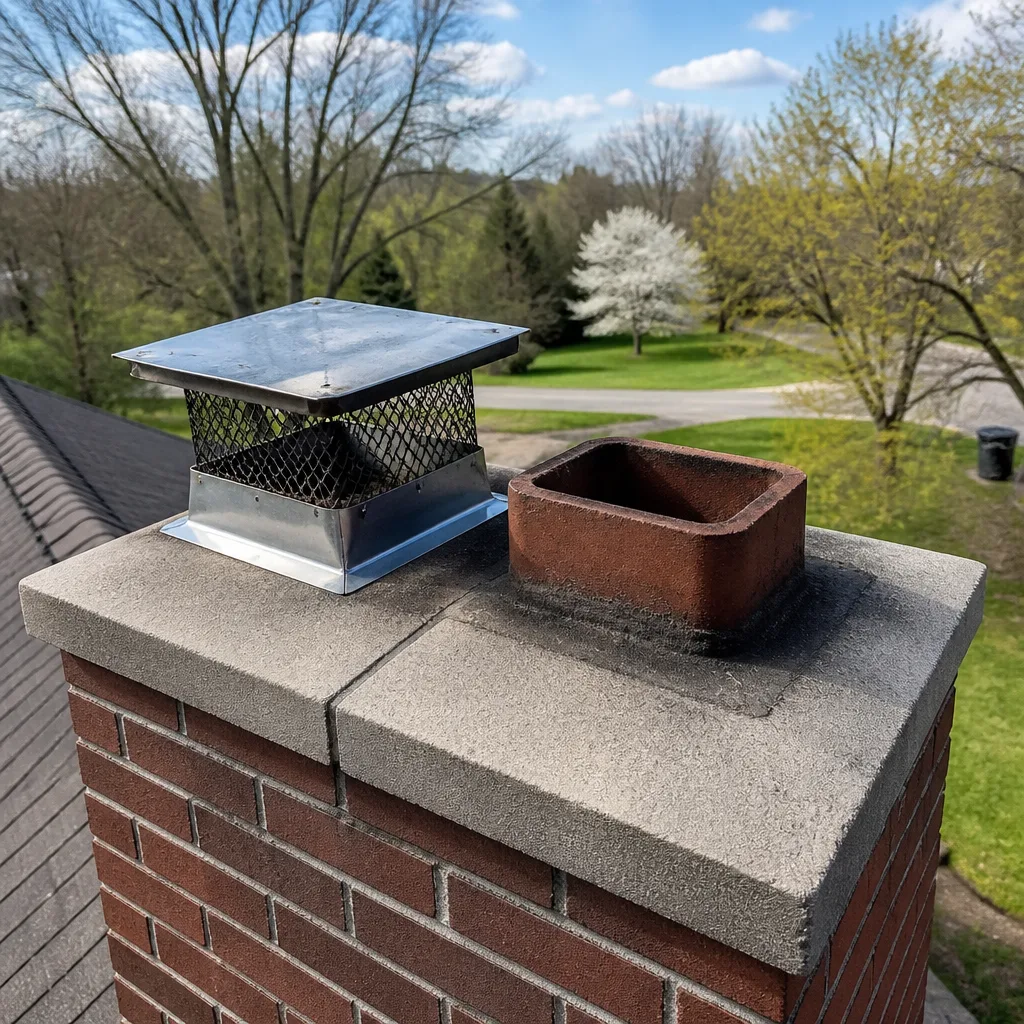
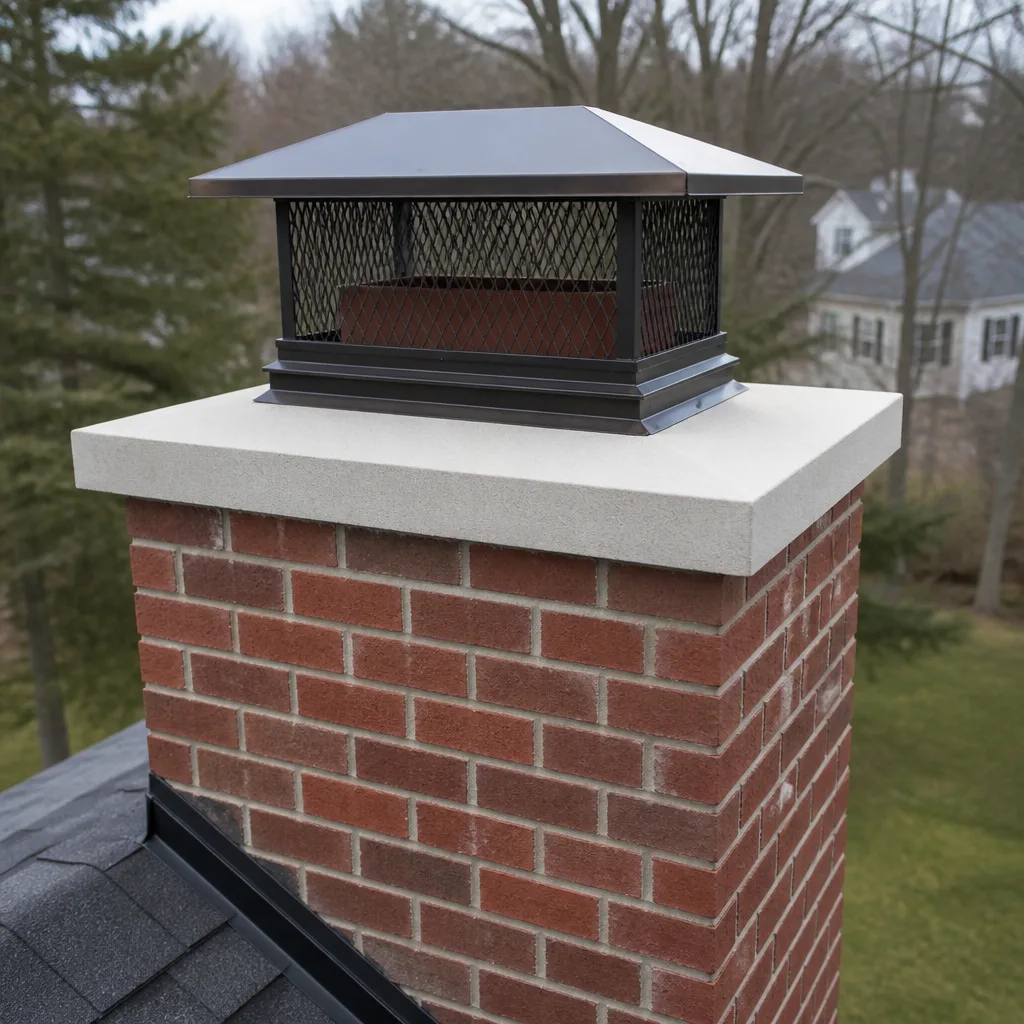
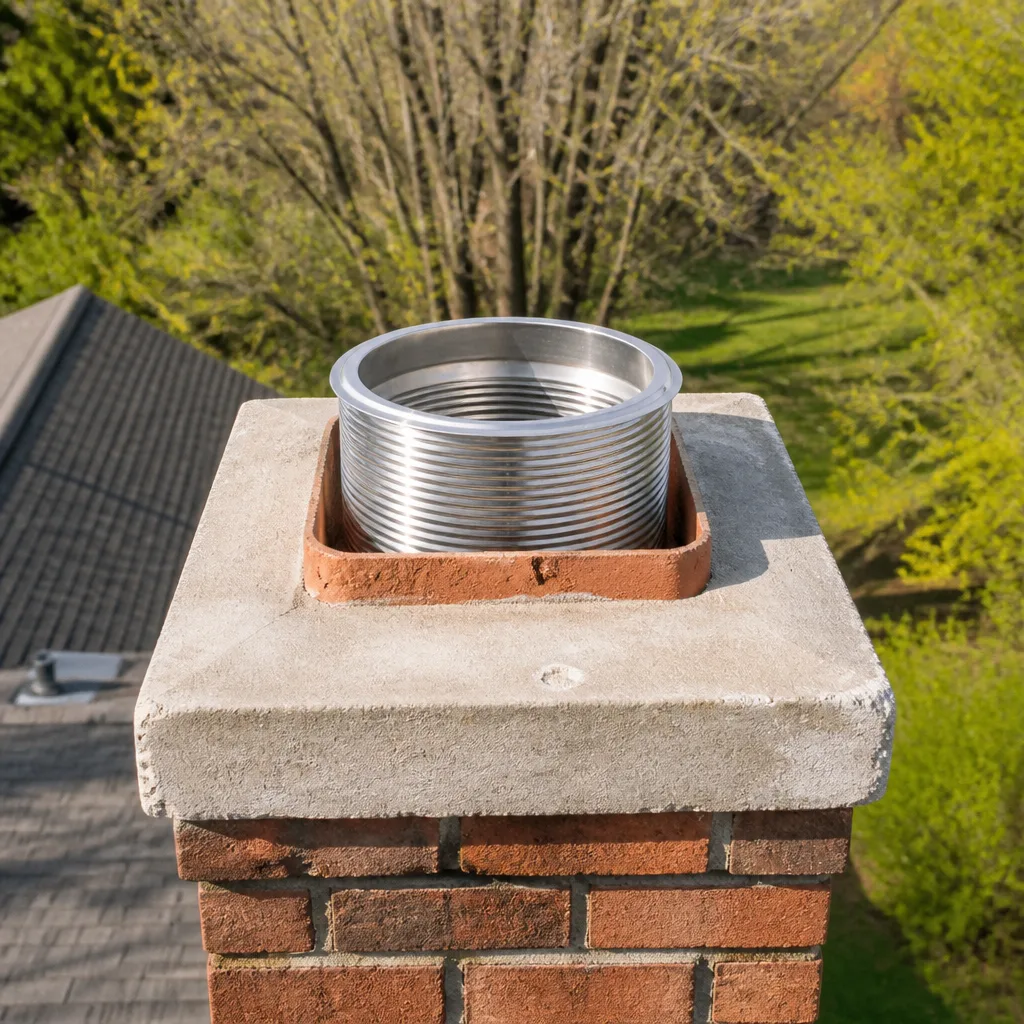
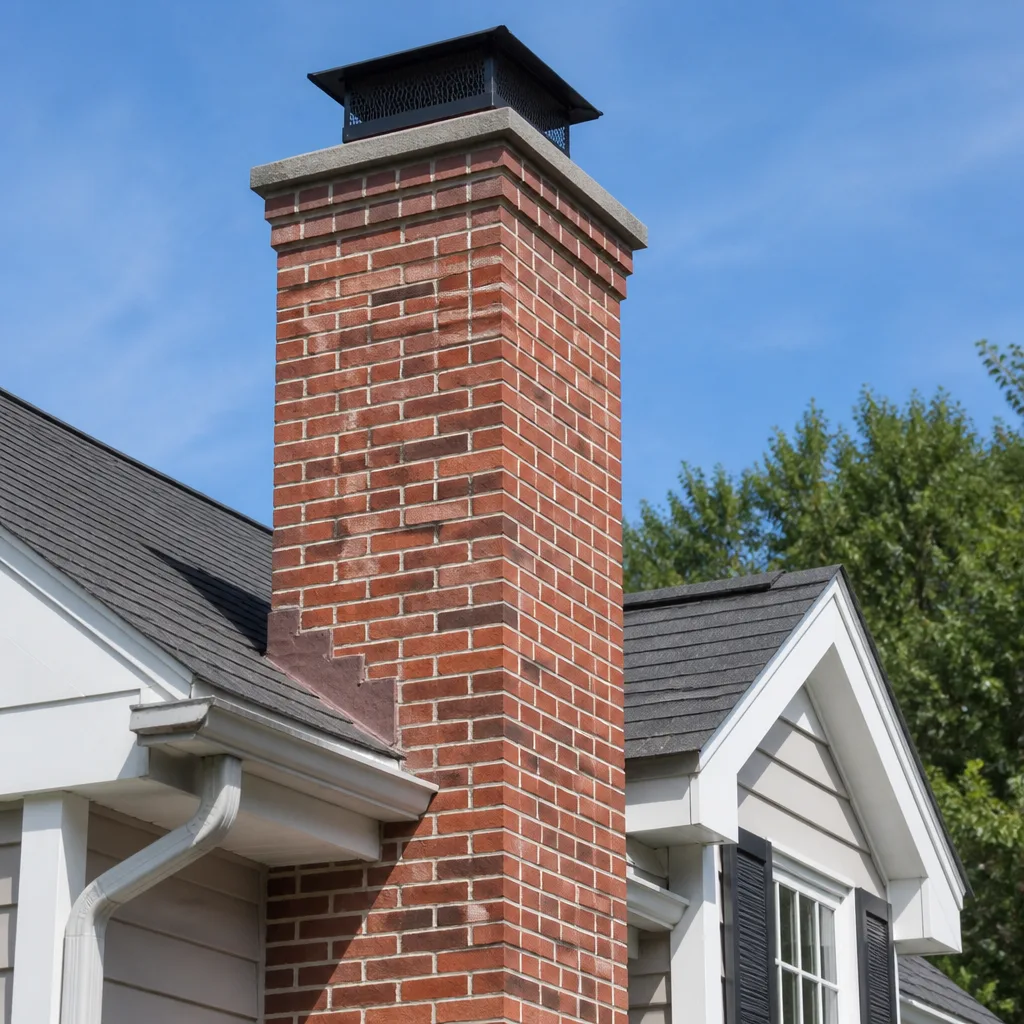
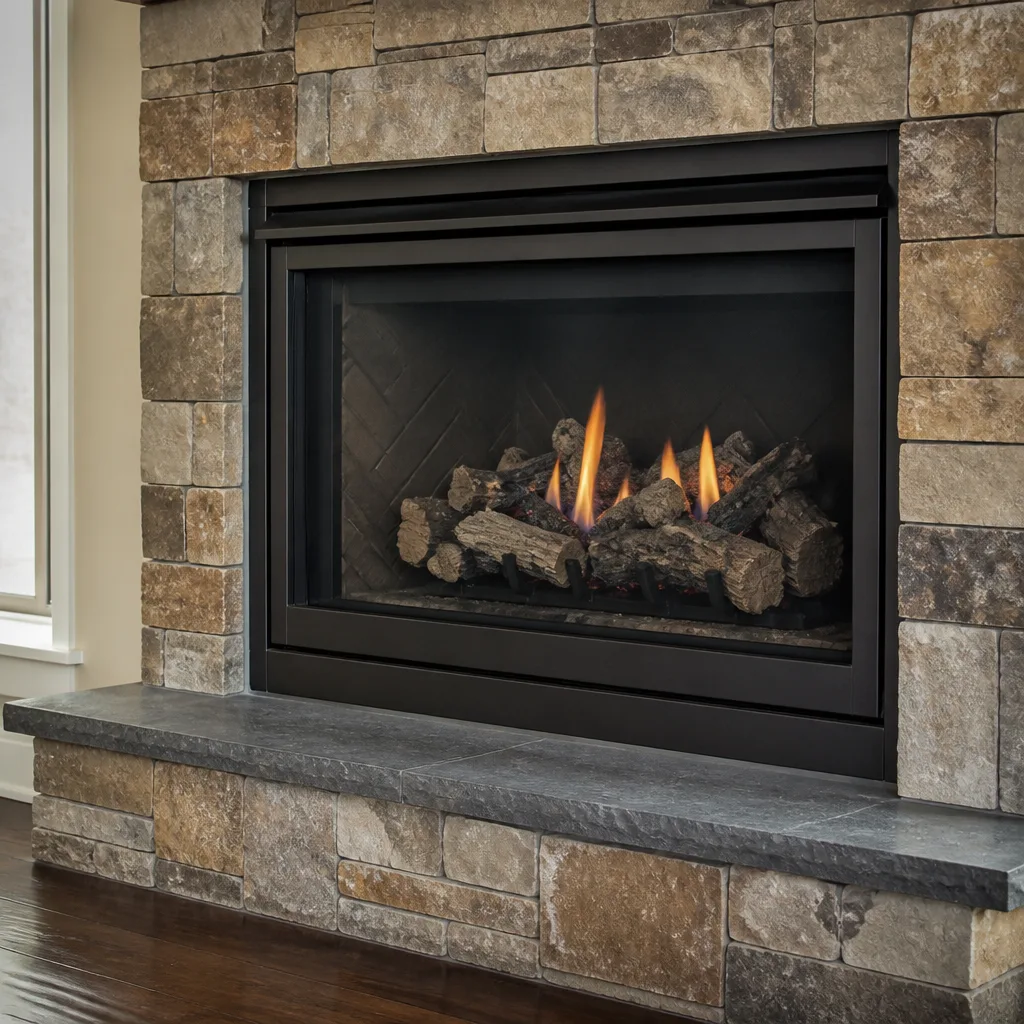
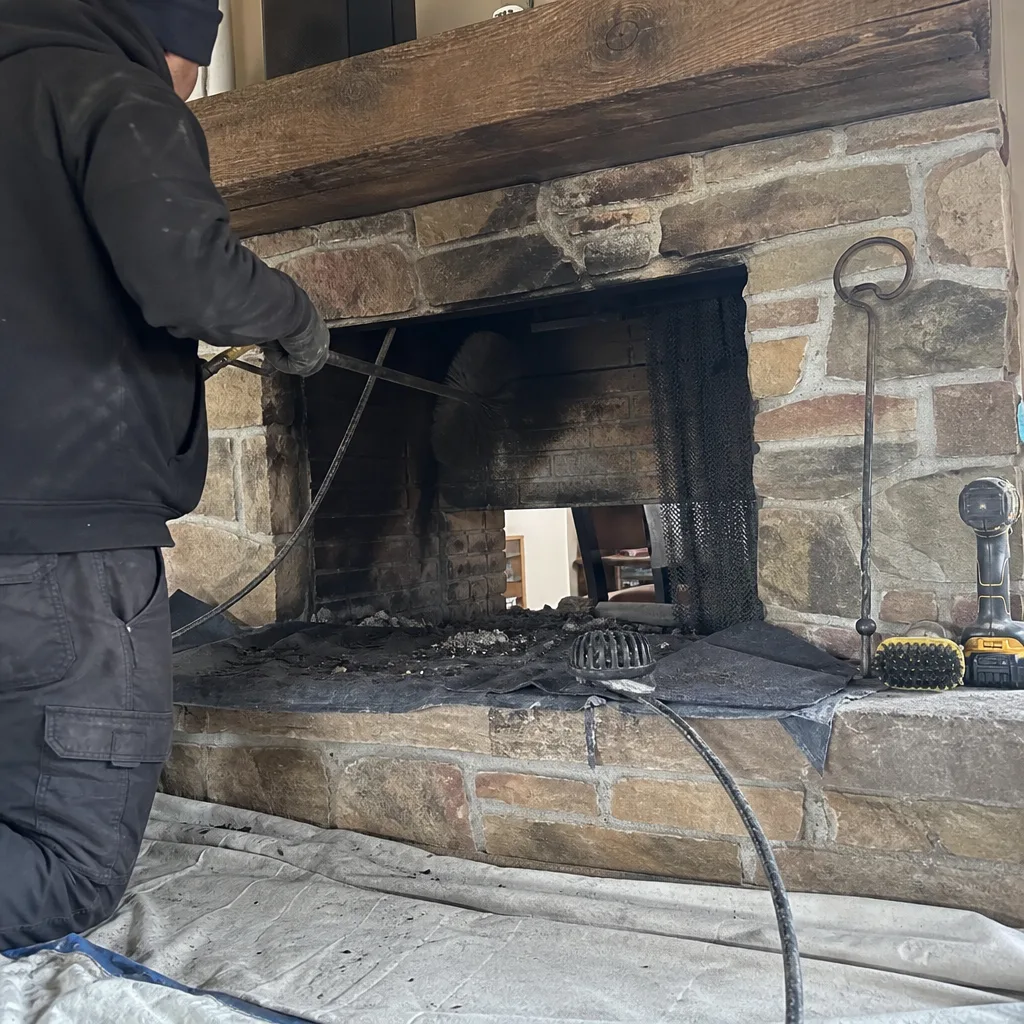 Before
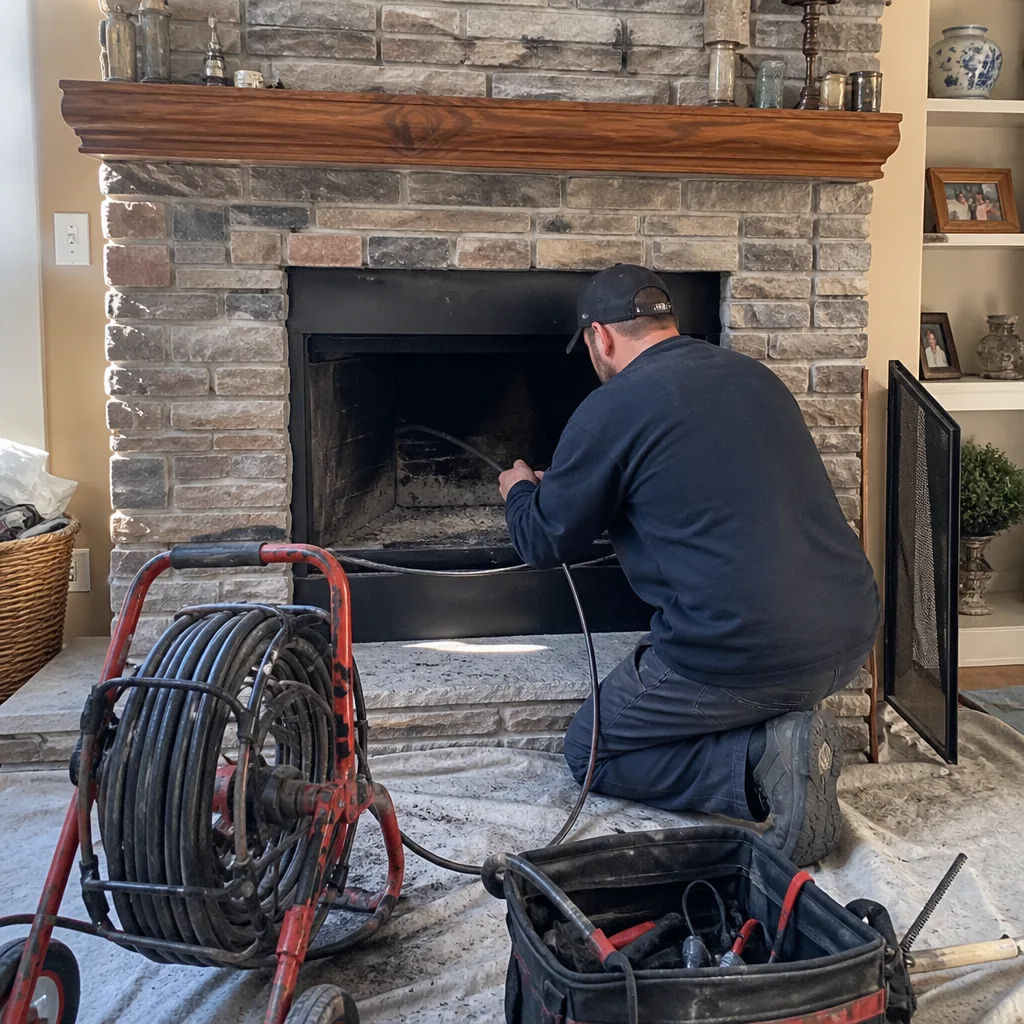 After
After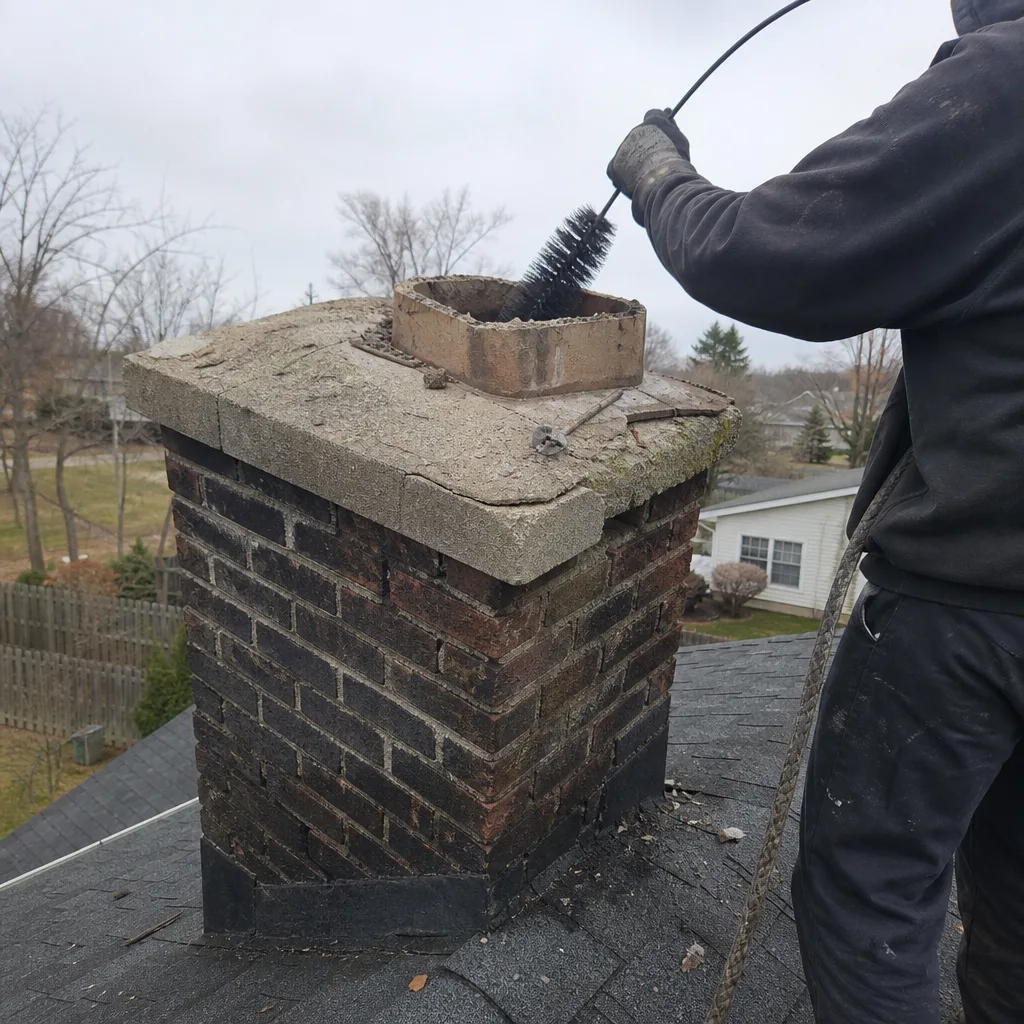 Before
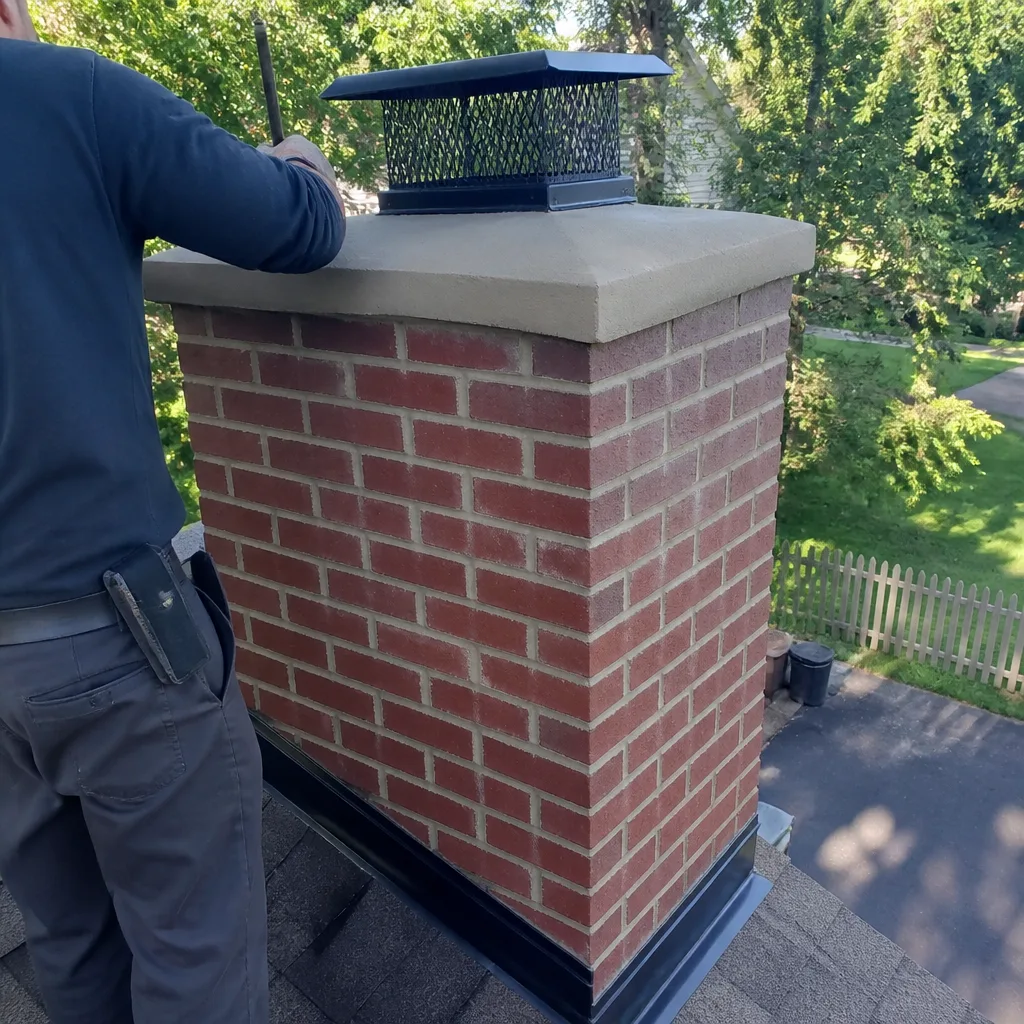 After
After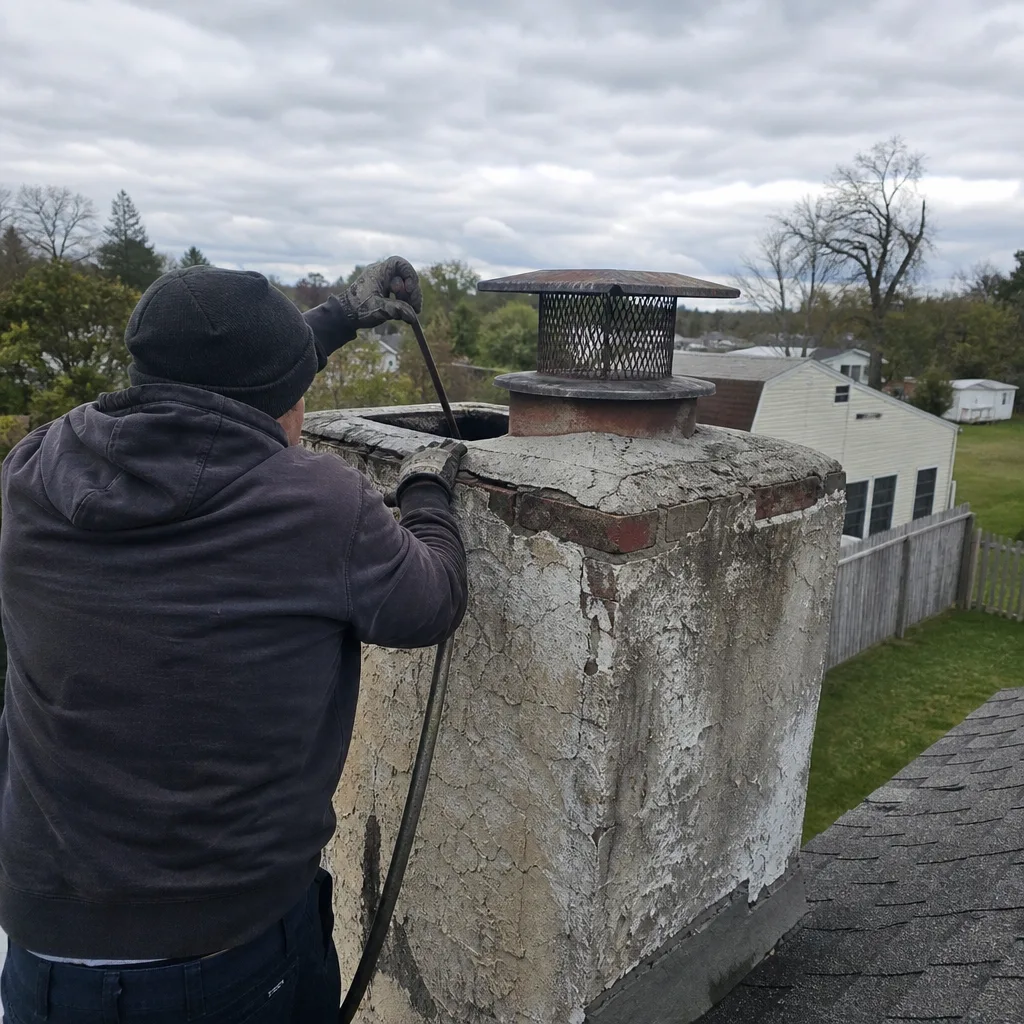 Before
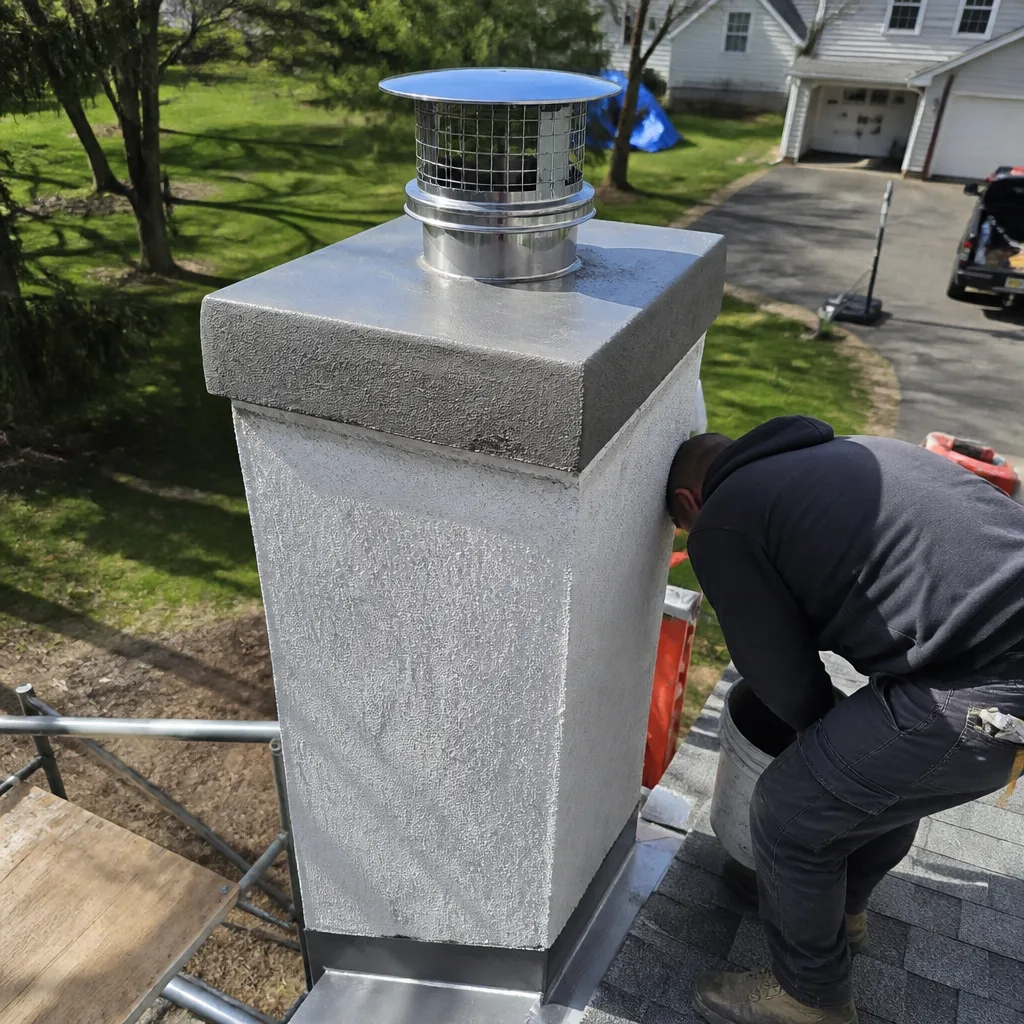 After
AfterCreosote Removal in Quakertown, PA
Creosote removal in Quakertown typically runs between $150 and $450 depending on how much has built up and what stage it’s at. Most jobs are completed in a single visit, and we always give you an upfront price before a tool comes off the truck.
If you burn wood in Quakertown – whether it’s a traditional open fireplace, a wood stove insert, or an older masonry system that’s been in the house since the 1970s – creosote is happening. Every fire leaves a residue. The first year or two it brushes right out. Leave it long enough, and it glazes into something that no brush touches and a chimney fire will ignite in a heartbeat. Wendell Pike has been pulling creosote out of chimneys across Bucks County since 1999, and he’ll tell you flat out: the difference between our Chimney Cleaning & Sweep services at $175 and a $1,200 restoration is usually just a few missed seasons.
This page covers what creosote actually is, when you need it removed, exactly how we do it, and what it costs in this market. If you’d rather just get on the calendar, call us at (484) 603-6713 – a live person picks up, any hour. Or start with our full Chimney Cleaning & Sweep in Quakertown page if you’re sorting out what your system actually needs.
What Creosote Is and Why It Gets Dangerous
Creosote is the byproduct of incomplete combustion. When smoke from a wood fire cools as it rises through your flue, the unburned gases and tar vapors condense on the liner wall. That deposit is creosote. It comes in three degrees, and the degree matters a lot.
First-degree creosote is light and flaky – gray or black dust that a good chimney brush removes in one pass. You get this from dry, seasoned wood burned hot. Clean it once a year and it never becomes a problem.
Second-degree creosote is denser, tar-like, and sticks to the liner. It comes from cooler, slower fires or unseasoned wood. Standard brushing won’t get all of it. It usually calls for a rotary cleaning system and sometimes a chemical treatment first to harden the flakes so they don’t break loose and clog the smoke chamber.
Third-degree creosote – the glazed, dripping, hardened version – is a different job entirely. It’s concentrated fuel coating the inside of your flue. A brush won’t scratch it. A chimney fire will ignite it at temperatures above 2,000 degrees. At that point you’re looking at chemical strippers, multiple visits, and a Level 2 Inspection before we’ll sign off on the system. This stage is where serious house fires start. We flag it honestly when we see it, and we don’t understate what’s there.
In Quakertown and the surrounding townships – Richland, Milford, West Rockhill – we see a lot of second-degree buildup on systems that get used heavily in the winter but haven’t had a sweep in three or four years. The cold winters here push people to run fires long and slow, which is exactly the condition that accelerates creosote accumulation.
When You Need Creosote Removal
- You haven’t had a sweep in more than a year. That’s the baseline. The National Fire Protection Association sets the standard at once per year for any chimney in use, and we’d give you the same advice if you called us with no intention of booking.
- You smell something oily or tar-like when the fireplace is running. That’s second-degree creosote off-gassing into your living space. It’s unpleasant and it means the buildup is significant enough to notice.
- You see black, shiny deposits on the damper or smoke shelf. If it’s glossy rather than dusty, it’s already past stage one. That warrants a camera look before you light another fire.
- You’ve been burning green or freshly cut wood. Unseasoned wood burns cooler and leaves far more residue per cord. One winter of wet wood can push a flue from first-degree to second-degree buildup in a single season – we see this regularly in homes near Haycock Township where firewood storage isn’t always ideal.
- You had a chimney fire – even a small one. A “mini” chimney fire can damage the liner and leave a layer of expanded, porous creosote that traps the next accumulation even faster. Don’t light another fire until someone’s been inside that flue with a camera.
- You’re buying a house in Quakertown with a fireplace. Pre-purchase inspections are part of what we do. We’ve found glazed third-degree buildup in homes where the listing said “well-maintained fireplace.” You want to know before you’re holding the keys, not after.
Our Creosote Removal Process
Every job follows the same sequence. No shortcuts, no skipping the camera because we’re running behind.
- Visual and camera inspection before we touch anything. Wendell or one of his crew runs a camera from cap to firebox on the first visit. You watch the footage, and you get a plain-English explanation of what’s there. We won’t quote a cleaning price until we know what degree of creosote we’re dealing with – and we won’t pretend it’s stage one when it’s stage three.
- Fireplace and work area protection. Drop cloths over the hearth and surrounding floor, a sealed cover over the firebox opening. Creosote removal is messier than a standard cleaning. We treat your living room accordingly.
- Mechanical brushing for first and second degree. Rotary cleaning systems reach the full length of the flue from top or bottom depending on liner configuration. For second-degree buildup we work in sections to break up the heavier tar deposits before sweeping.
- Chemical treatment for third-degree or persistent second-degree. When glazing is involved, we apply a creosote-modifying chemical – applied to the flue walls – that changes the texture of the glaze so it becomes brittle enough to brush and remove. This often requires a second visit after the chemical has had time to work. We’ll tell you that upfront, not at the door of visit two.
- Smoke chamber and firebox cleanup. The smoke chamber above the damper is where a lot of buildup hides and where most sweeps don’t spend enough time. We clean it properly, every time.
- Post-cleaning camera confirmation. We run the camera again after the job. You see before and after. If there’s anything that raised a concern – a crack in the liner, a damaged tile section, spalling mortar – we point it out on camera before we close up. You get a verdict, not a vague recommendation.
Creosote Removal Pricing in Quakertown
Creosote removal in Quakertown runs differently depending on what stage the buildup is at and how long the system is. Here are honest ranges based on what we actually see in this market. These are not bait-and-switch phone quotes – the number you hear is the number on the invoice.
| Creosote Degree | Typical Price Range | What’s Included |
|---|---|---|
| First-degree (light, flaky) | $150 – $220 | Camera inspection, full brush cleaning, smoke chamber, camera confirmation |
| Second-degree (tar-like, sticky) | $220 – $350 | Rotary cleaning, heavier vacuum work, smoke chamber, camera before and after |
| Third-degree (glazed, hardened) | $350 – $800+ | Chemical treatment, multiple visits, full camera documentation; final price quoted after first inspection |
| Pre-purchase inspection with creosote assessment | $125 – $175 | Camera top to bottom, written condition report |
A few things that move the number: flue height (a two-story system in a colonial takes longer than a ranch), liner type (older clay tile accumulates differently than a stainless DuraFlex liner), and how accessible the cap is. We’ll see all of that on the camera during your Level 1 Inspection before we quote repair or additional treatment work.
If you have any written estimate from another company, we’ll give you a free second opinion – no charge, no pressure. And if your repair portion of the job comes in over $200, you get $40 off that repair automatically. Seniors and veterans always get 10% off. No trip charge for calls inside our county.
All work comes with the 90-Day Done Right Promise. If something we did isn’t right, one call brings us back at no additional cost. That’s in writing on every job.
Call (484) 603-6713 for a free estimate – we’ll give you a real number, not a range so wide it’s useless.
FAQs – Creosote Removal
How often does creosote need to be removed from a chimney in Quakertown?
Once a year is the standard for any chimney that sees regular wood-burning use. If you’re burning two or three nights a week through a Bucks County winter, once a year keeps you in the first-degree range where a single cleaning handles everything. Skipping seasons is where the cost goes up – second-degree buildup often costs 40 to 60 percent more to remove than first-degree because the labor and method change. Call (484) 603-6713 and we’ll tell you what your specific system warrants.
Can I remove creosote myself?
First-degree creosote – the light, ashy kind – can be partially addressed with chimney cleaning logs that are sold at hardware stores, but they don’t replace a mechanical cleaning and they do nothing for second or third-degree buildup. Second and third-degree removal involves rotary cleaning systems, chemical treatments, and camera verification that aren’t practical or safe as DIY work. Disturbing a third-degree glaze incorrectly can crack a clay tile liner. We’d rather give you an honest quote than see you make a problem worse trying to fix it yourself.
What happens if creosote is left untreated?
Left untreated, creosote progresses from a nuisance to a fire risk. Third-degree creosote ignites readily and burns hot enough to crack clay tile liners, damage mortar joints, and transfer heat to adjacent framing. Chimney fires from creosote ignition are one of the leading causes of house fires in older Bucks County homes with wood-burning systems. Beyond fire risk, heavy creosote restricts airflow, which means your fire drafts poorly and pushes more smoke and carbon monoxide back into the house. Catch it early and it’s a cleaning. Catch it late and it may be a liner replacement.
Does Top Hat Chimney offer same-day or emergency creosote removal in Quakertown?
We keep schedule flexibility for urgent situations – if you’ve had smoke rollback, noticed a strong creosote smell, or suspect a chimney fire happened, don’t use the fireplace again until we’ve been there. Call (484) 603-6713 and a live person will answer regardless of the hour. We’ll get you on the schedule as fast as we can. For third-degree removal that requires chemical treatment, same-day completion isn’t always possible because the chemistry needs time to work, but we’ll inspect the same day and tell you exactly what the timeline looks like.
Why Quakertown Homeowners Call Top Hat Chimney
We’re not a franchise that arrived in town last spring with a discounted inspection offer. Wendell Pike has been doing this work since 1999 – over 29 years in the same communities, which means he runs into his customers at the farmers market on Broad Street, not a call center two states away. When you call about creosote removal, you get a real arrival window, a real price, and a sweep who will show you the camera footage before and after. That’s not a sales pitch. It’s just how a one-name shop operates when the owner’s reputation is the whole business.
We work with quality products where liner work is part of the picture – DuraFlex relining systems when a damaged liner needs addressing after heavy creosote removal, and Copperfield brushes and equipment that are built for professional use, not a once-a-year homeowner kit. The right tools matter when you’re inside a flue that hasn’t been touched in five years.
The home page has full details on everything we cover across the service area. And if you want to understand where creosote removal fits in the broader picture of keeping your system clean and safe, our Chimney Cleaning & Sweep in Quakertown page walks through the full service.
Key Takeaways
- Creosote builds up every time you burn wood. First-degree is manageable. Third-degree is a fire hazard.
- Annual cleaning keeps you in the affordable range. Skipping seasons almost always costs more in the end.
- Quakertown-area homes with heavily used fireplaces – especially those burning through cold Bucks County winters – are at higher risk for second and third-degree accumulation than the national average suggests.
- We run a camera before and after, every time. You see the footage. You get a straight answer.
- Upfront pricing before any work starts. The 90-Day Done Right Promise in writing on every job.
- $40 off any repair over $200. 10% off for seniors and veterans. Free second opinion on any written estimate.
Schedule Your Creosote Removal in Quakertown
If you haven’t had a sweep in more than a year, or you’re noticing that oily smell when you run a fire, don’t wait on it. Call Top Hat Chimney at (484) 603-6713 for Fireplace Cleaning and tell us what you’ve got. We’ll give you a free estimate, a straight answer, and a real arrival window. Wendell and his crew serve Quakertown and the surrounding Bucks County townships – no trip charge inside the county, no voicemail box, no runaround.
Written by Wendell Pike, Owner at Top Hat Chimney, serving Quakertown since 1999.