
Last updated September 10, 2026
Level 1 sweep and inspection to the NFPA 211 annual standard - flue, crown, cap, and flashing checked and photographed
Chimney sweep logs do not sweep chimneys. They loosen some creosote - which then falls where a brush and vacuum still have to collect it.
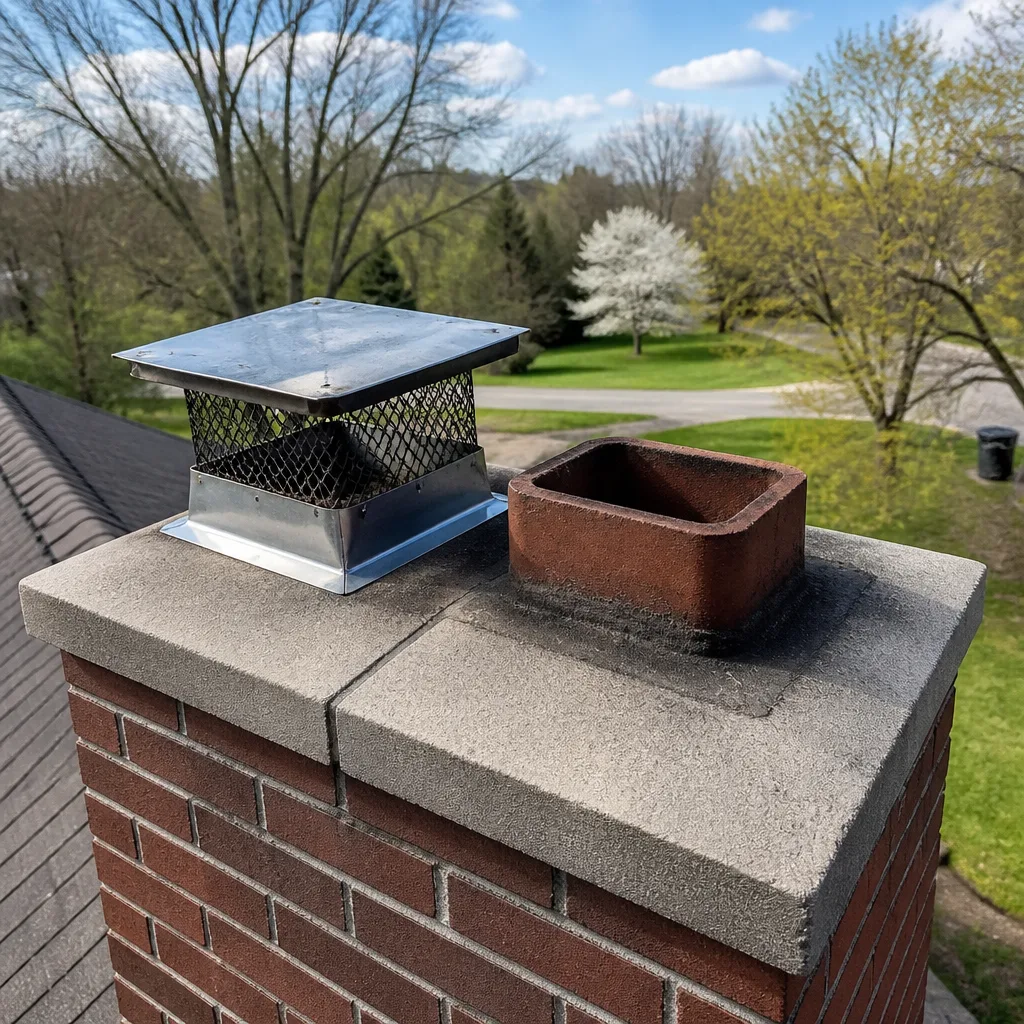
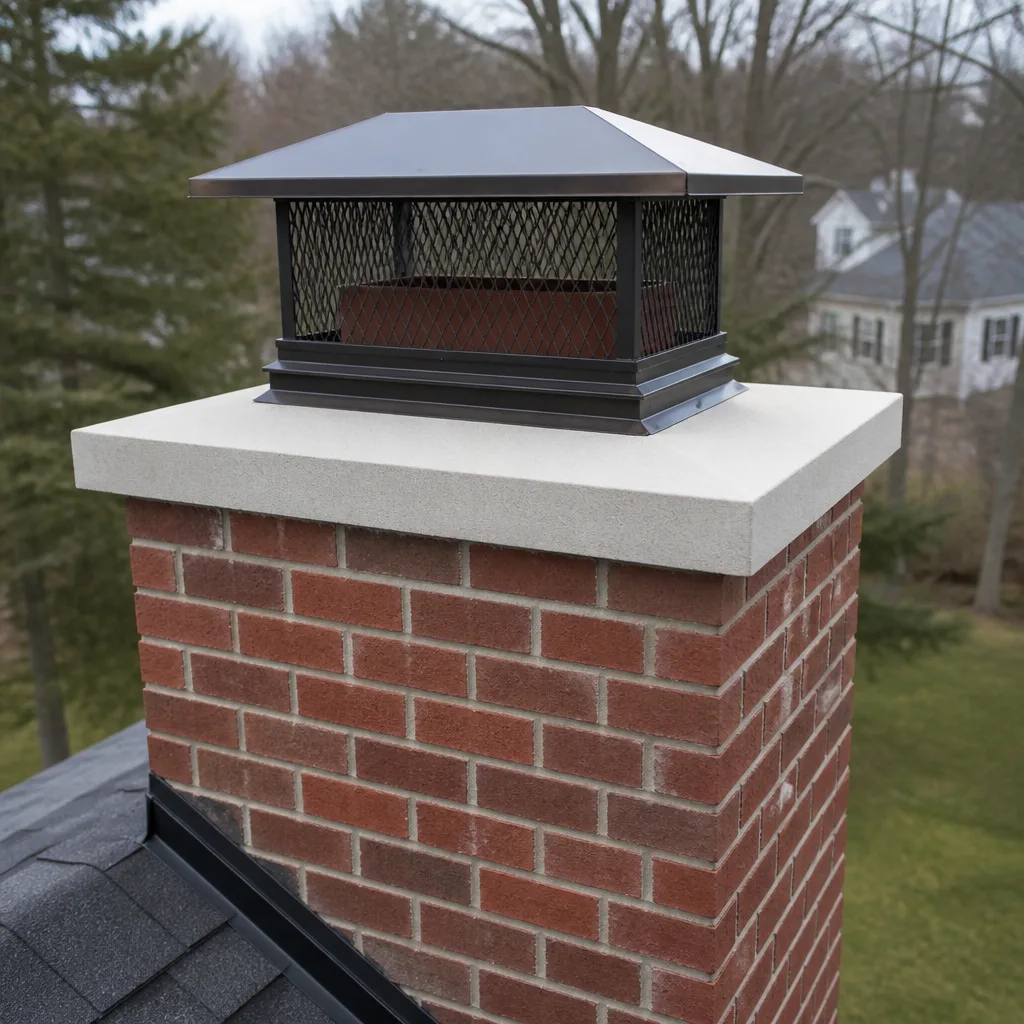
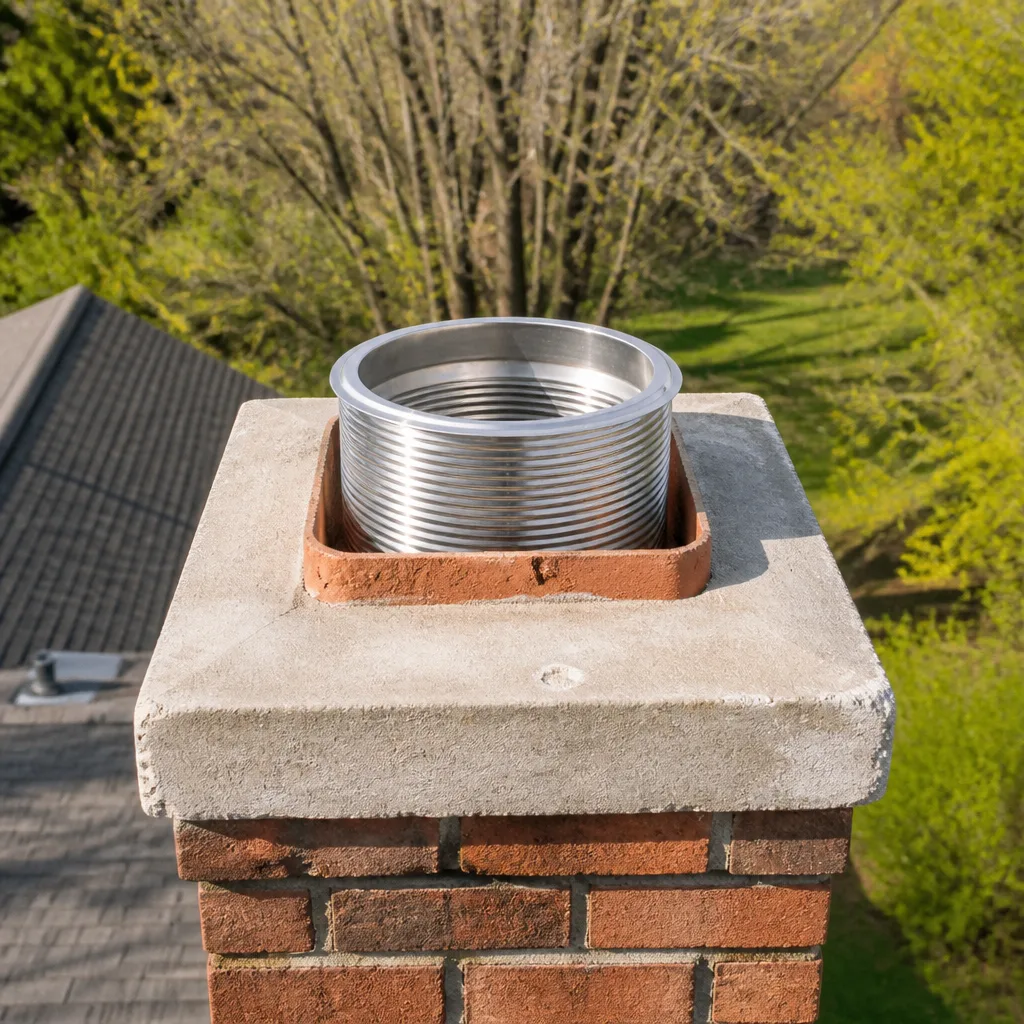
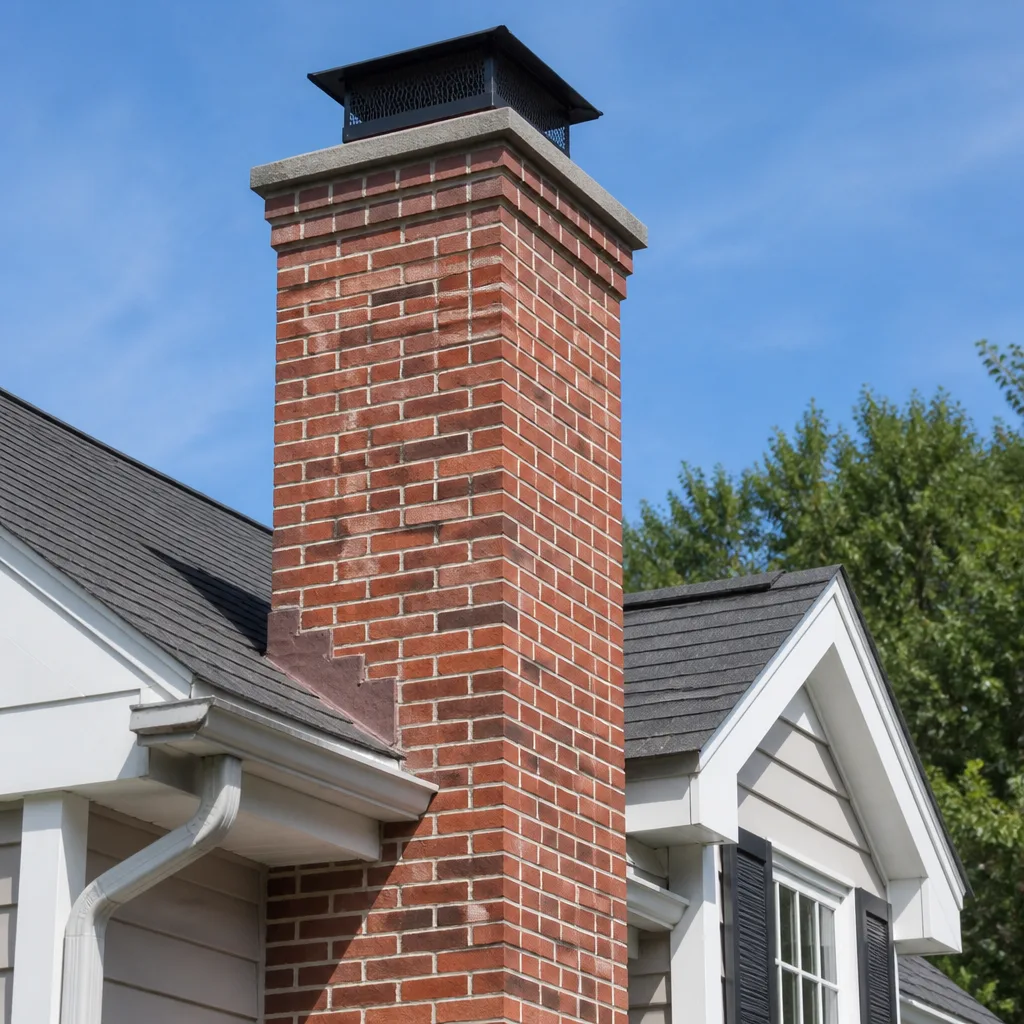
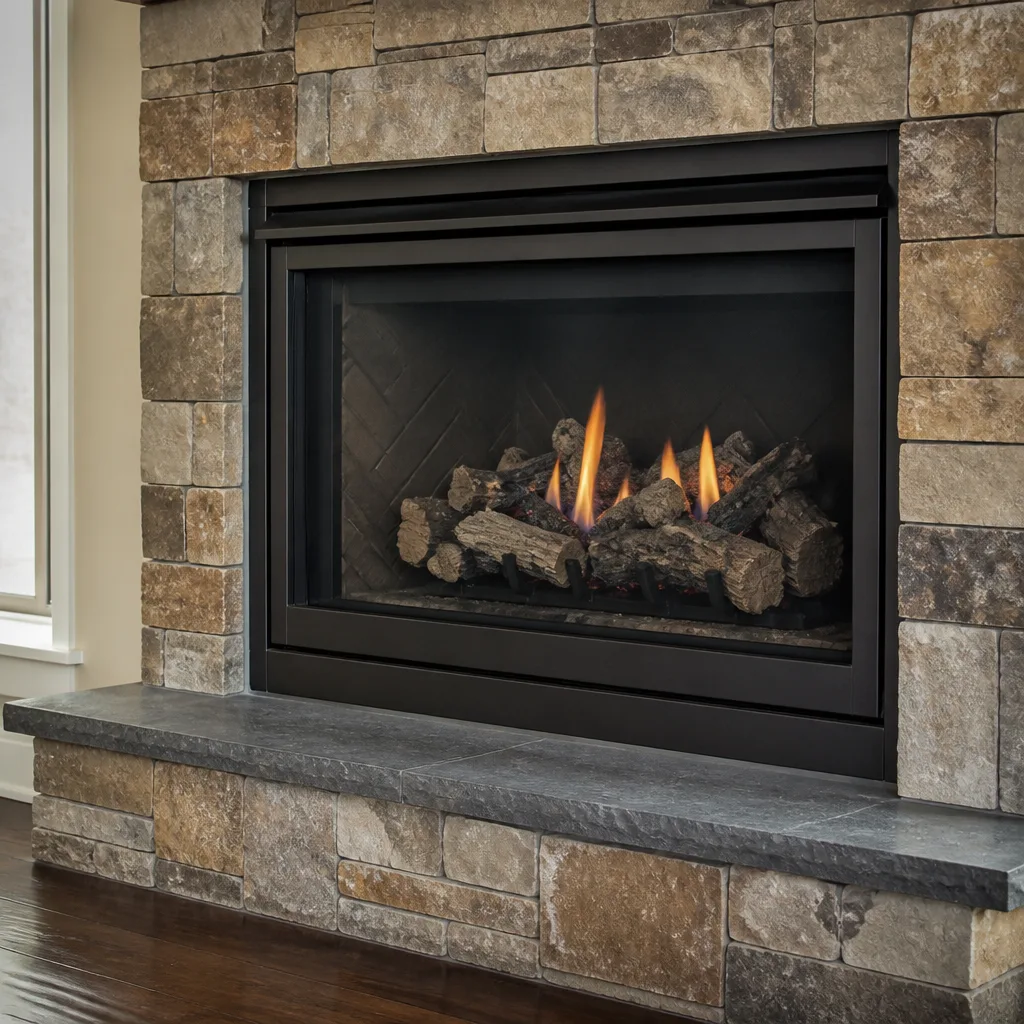
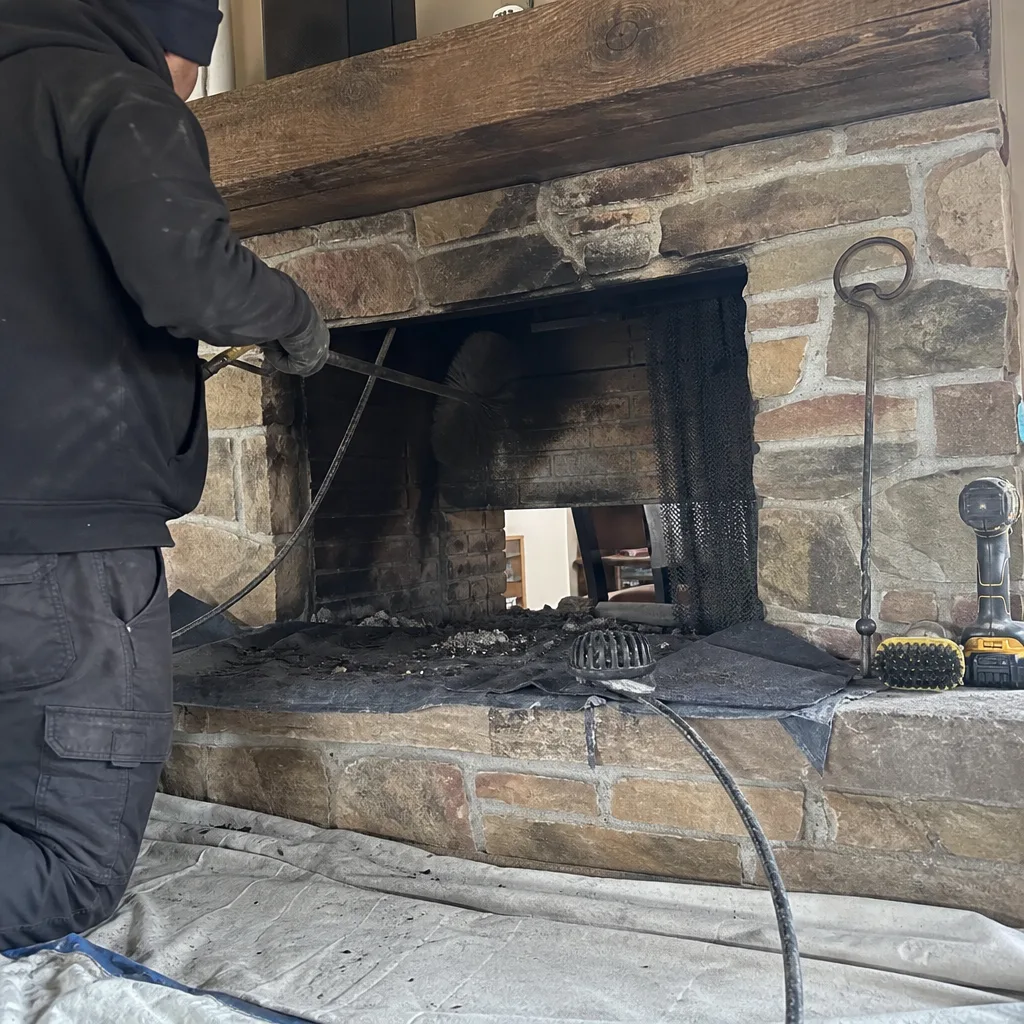 Before
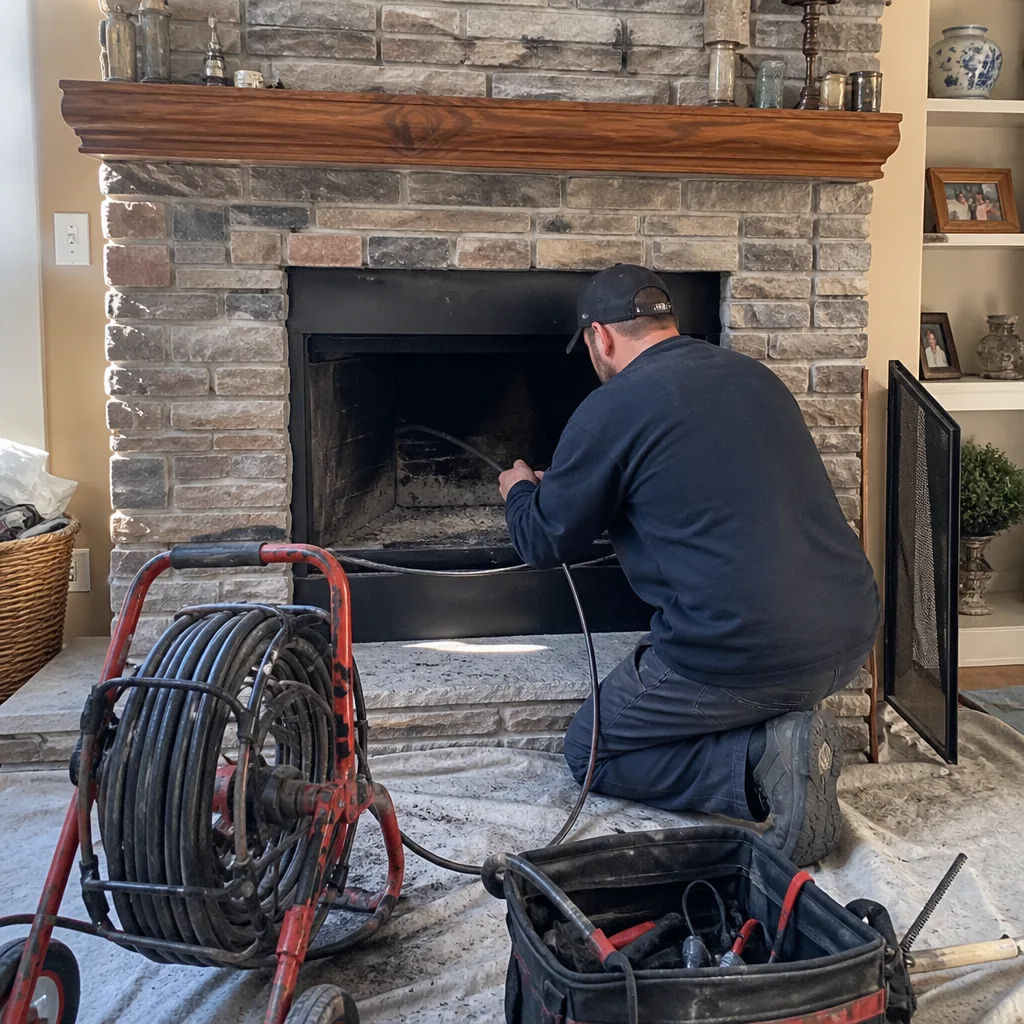 After
After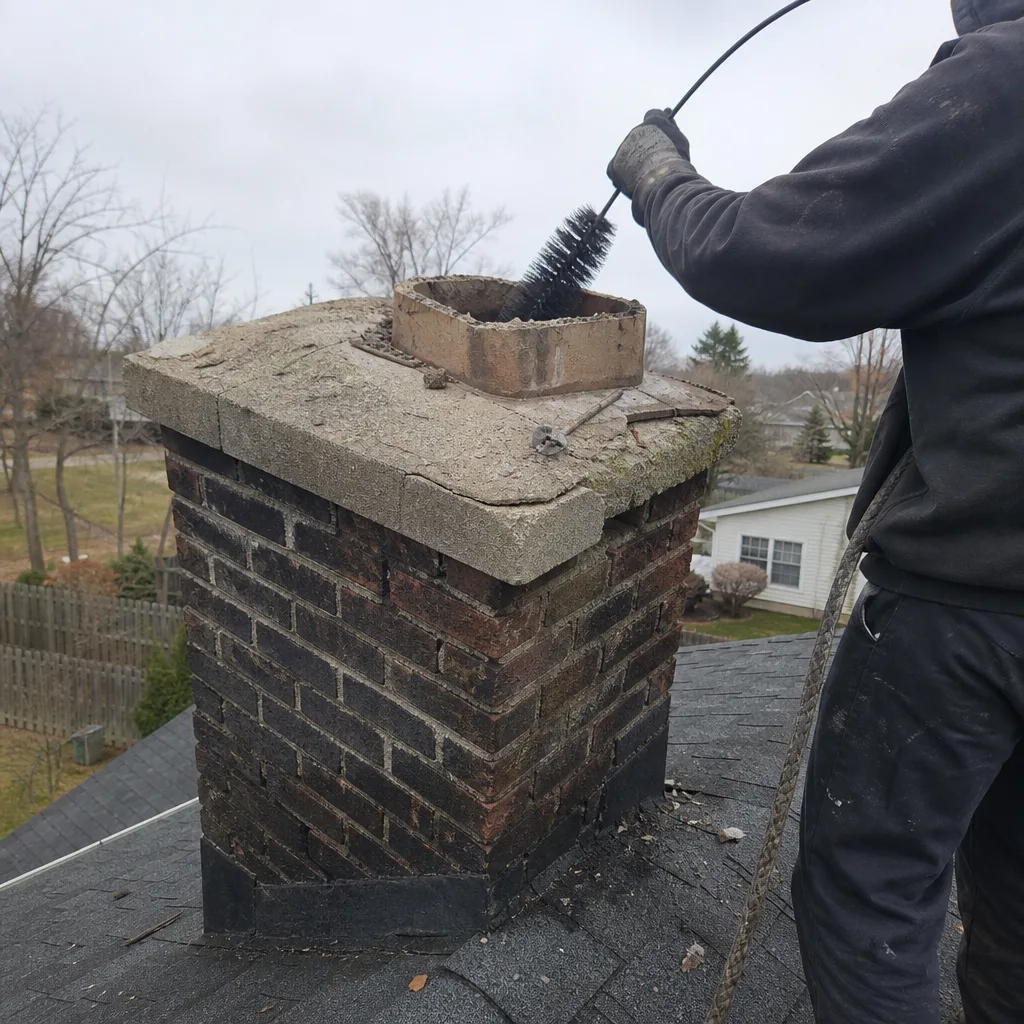 Before
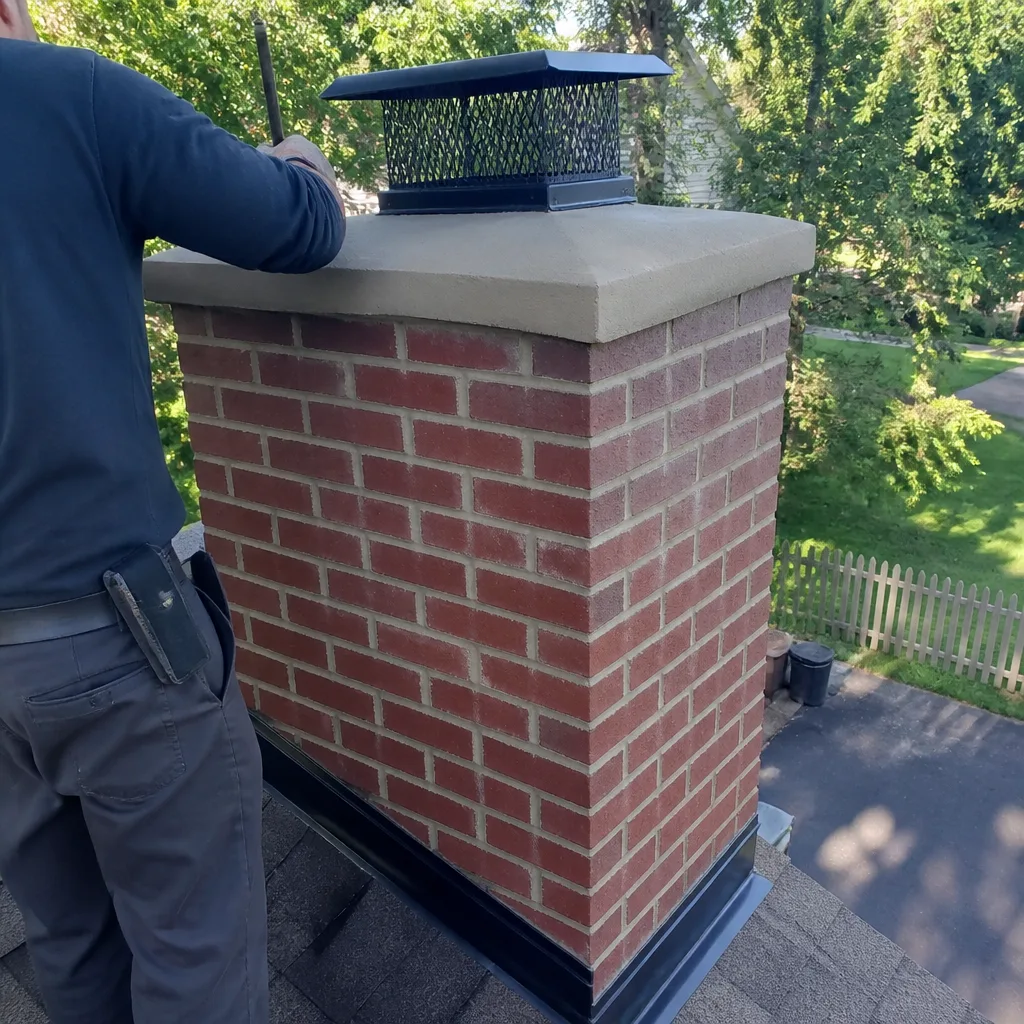 After
After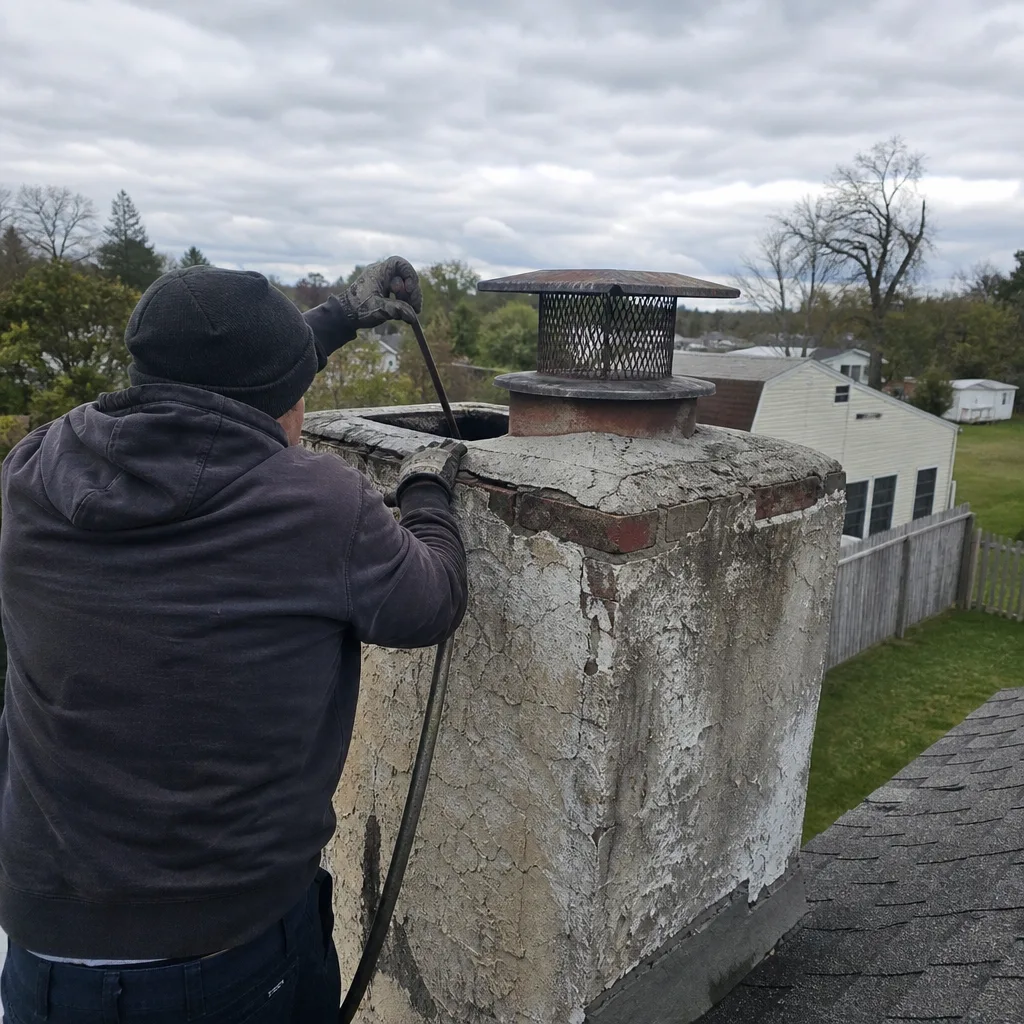 Before
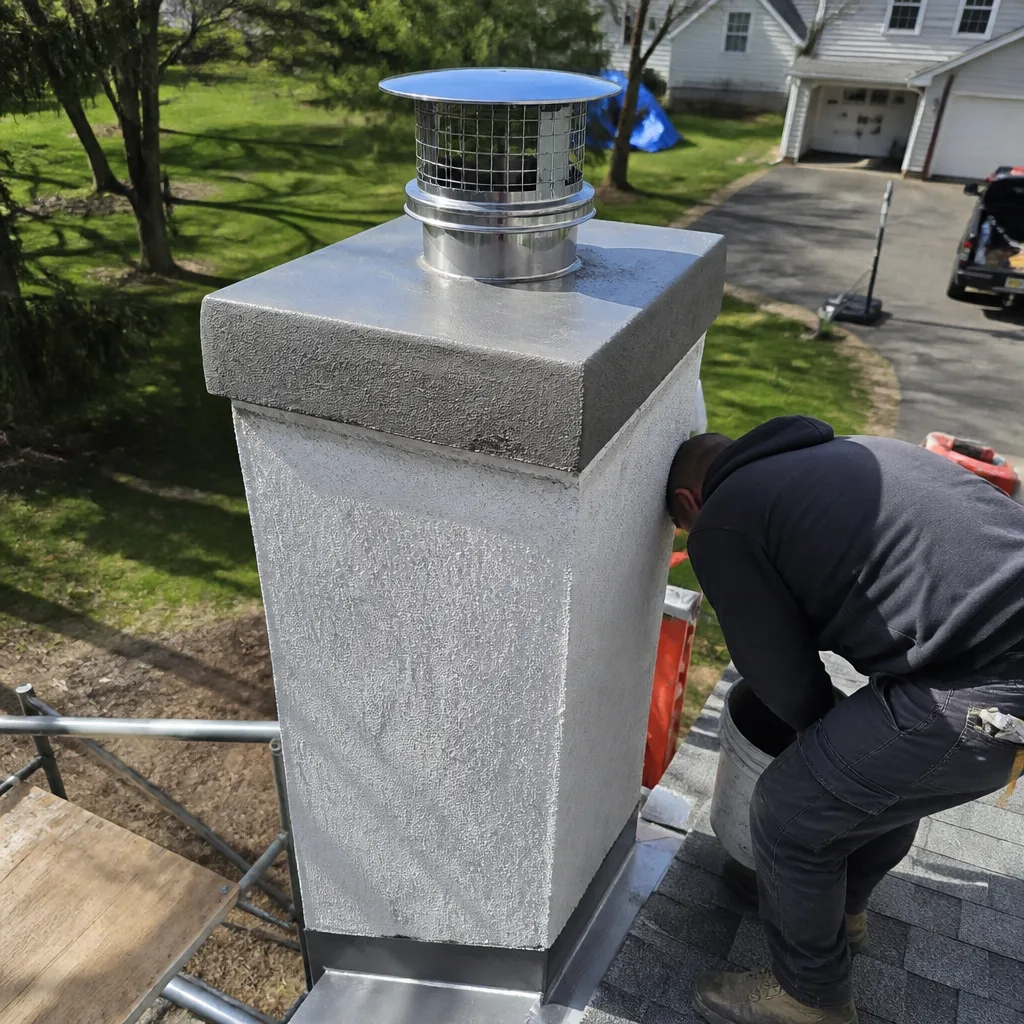 After
AfterDIY vs Professional Chimney Cleaning: The Quakertown Homeowner’s Decision Guide
Most Quakertown homeowners don’t realize that the most expensive chimney problem they’ll ever face is the one they can’t see from the hearth. A flue can look perfectly fine from the firebox while hiding a creosote glaze that would make a brush kit useless, or a cracked liner that’s slowly bleeding heat into the framing. This guide lays out, without the usual scare tactics, exactly what you can do yourself, what you shouldn’t, and how to tell the difference in a 1890s farmhouse off Route 309 or a 1980s colonial in Richland Township. For seasonal chimney cleaning care in Quakertown, timing and awareness matter as much as technique. By the end, you’ll know where the line sits for your specific fireplace, and whether paying a pro this year is money well spent or money you can keep.
Quick Answer
For a gas fireplace that was professionally cleaned within the last two years, a careful homeowner can vacuum the firebox and clean the glass safely on their own. For a wood-burning fireplace in Quakertown that hasn’t had a camera inspection in over three years, DIY cleaning is not a substitute for professional service, because the real risk lives in the flue, not the firebox, and you cannot assess it without a camera. When in doubt, a professional inspection with video documentation costs less than most homeowners expect - see our Chimney Cleaning Cost Breakdown for Quakertown - and tells you plainly whether further work is even needed.
Table of Contents
- What a Homeowner Can Safely Do Themselves
- The Visibility Problem: Why Cameras Changed Chimney Cleaning
- Creosote 101: The Three Stages and What They Mean for DIY
- When DIY Is Genuinely Reasonable
- Three Situations Where Skipping a Professional Creates Real Risk
- What a Professional Brings Beyond Elbow Grease
- A Plain Cost-Benefit Framework for Quakertown Homeowners
- Common Mistakes to Avoid
What a Homeowner Can Safely Do Themselves
The honest short list is shorter than most DIY blogs admit, and longer than a cautious sweep might tell you. Wendell will tell you straight: there are a handful of tasks around the fireplace that a careful homeowner can do without special training, as long as they’re working on the right kind of system and using the right basic tools. These tasks keep the fireplace presentable and functional between professional cleanings, but they don’t replace a cleaning.
The Safe DIY List
- Vacuuming the firebox. For a gas fireplace that’s already been professionally cleaned and inspected, removing loose dust and debris from the firebox with a shop vacuum is low-risk. Let everything cool completely, use a HEPA filter if you have one, and don’t disturb the burner assembly. This is maintenance, not service.
- Cleaning the glass on a gas insert. Most gas fireplace glass panels are designed to be removed by the homeowner. Use a ceramic-glass cleaner made for fireplace glass, never standard glass cleaner, which can etch the surface. Consult your manual before removing anything.
- Inspecting the exterior chimney stack. Walk around your house twice a year and look up. You’re checking for missing mortar joints, spalling brick (where the face of the brick has popped off), a leaning or tilted cap, or visible cracks in the crown. You don’t need a ladder for this. Binoculars work fine. If you see something that worries you, take a photo and call a sweep.
- Checking the damper. Open and close it. Does it move freely? Does it seal when closed? A sticky or warped damper is a repair item, but noticing it early is a homeowner’s job, and it costs nothing.
- Keeping the hearth area clear. Honestly, this is the one that prevents the most problems. Furniture, firewood, and stored boxes too close to the opening are the most common avoidable hazard we see in Quakertown living rooms.
The key word here is careful. None of these tasks requires getting on the roof, reaching up into the flue, or touching anything that carries heat or exhaust. If a task sounds like it might involve any of those three things, it has crossed the line.
The Visibility Problem: Why Cameras Changed Chimney Cleaning
The core limitation of DIY chimney cleaning isn’t scrubbing ability. It’s visibility. When you run a brush up a flue from the firebox, you’re working blind. You can feel the brush hit the walls, you can knock some creosote loose, and you can pull the brush back down and see that it’s dirty. What you cannot see is whether the flue is actually clean, whether the creosote you knocked loose fell into the smoke shelf and is now sitting there as a fire hazard, or whether the flue has a problem that a brush can’t fix and might actually make worse.
Bucks County gets real winters. Freeze-thaw cycles work on masonry chimneys the way they work on roads. An exterior chimney in Quakertown that’s been through twenty or thirty Pennsylvania winters can have cracked flue tiles, deteriorated mortar joints between tiles, or a separated flue liner. None of those conditions are visible from the firebox, and a homeowner with a hardware store brush kit has no way of knowing they exist. Creosote can also build up in the smoke chamber above the damper, a spot that’s nearly impossible to reach properly without the right rods and brushes.
This is why, in our experience, the homeowners who get into the most trouble with DIY are the ones who’ve owned their wood-burning fireplace for years and never had a camera in the flue. They assume that because the fire burns and the smoke goes up, the system is fine. The fire burns and the smoke goes up right up until the day it doesn’t, and the thing that tells you which side of that line you’re on is a camera, not a brush.
Creosote 101: The Three Stages and What They Mean for DIY
If you burn wood in Quakertown, you’re making creosote. It happens every time. Wood smoke carries unburned particles up the flue, and as those particles cool, they condense on the flue walls. The type of creosote you get depends on how hot and how efficiently you burn. Understanding the three stages tells you whether a brush will do anything at all.
- First-degree creosote is a light, flaky, sooty deposit. It brushes off relatively easily with a standard wire brush. If you’re going to DIY anything in a flue, this is the only stage where a brush has a chance. The catch: you can’t confirm it’s first-degree without looking at it, and looking at it properly means a camera.
- Second-degree creosote is a harder, crustier deposit, often with a honeycomb texture. It resists a hand brush. Professionals use rotary cleaning heads with chains or stiff cable whips to knock it off. A hardware store brush kit will leave most of it in place, and the homeowner goes back inside thinking the chimney is clean when it isn’t.
- Third-degree creosote is a glaze. It looks like a shiny, tar-like coating baked onto the flue walls and it is extremely difficult to remove. It usually requires chemical treatment, followed by rotary cleaning, and in severe cases, it cannot be removed by sweeping at all. Third-degree creosote is a fuel load sitting inside your chimney, and it’s the stage that burns in a chimney fire.
First-degree creosote is a brush job. Third-degree is a glaze, and catching it early is the difference between a $250 cleaning and a much larger problem. The practical takeaway for a Quakertown homeowner is simple: the stage of creosote in your flue determines whether DIY has any chance, and you can’t know the stage without looking. In this area, where many homes burn oak and other hardwoods at moderate temperatures, second-degree creosote is common, and it’s the stage that makes a brush kit feel like it’s working when it isn’t.
When DIY Is Genuinely Reasonable
Wendell doesn’t believe in telling homeowners they need a professional for everything. That’s not honest, and it’s not how he’s run Top Hat Chimney home since 1999. There are real situations where the DIY approach is completely reasonable, and you should know what they are.
The most obvious one: a gas fireplace or gas insert that’s been professionally cleaned and inspected within the last two years, and that shows no signs of trouble. Gas systems don’t produce creosote, and they don’t need annual sweeping. If your gas fireplace is on that schedule, vacuuming the firebox and cleaning the glass yourself between professional visits is entirely appropriate. The professional visit is for the annual safety inspection, which checks the burner, the logs, the venting, and the gas connections. The homeowner maintenance in between is cosmetic, and you’re not going to hurt anything by doing it.
A second reasonable scenario: a wood-burning fireplace that was professionally cleaned last season, that you’ve burned no more than a cord through since, and that has shown no change in performance. Even here, we’d suggest using a simple creosote log as a preventative measure and keeping an eye on buildup from the firebox. What you’re doing is extending the interval slightly, not replacing the service.
The third scenario involves a homeowner who has a genuinely accessible, straight, short flue in a single-story home, and who’s willing to invest in a proper chimney brush kit with fiberglass rods, not the cheap wire coil thing from the hardware store. This person also needs to be comfortable getting on the roof. If that’s you, and you can see the flue from the top with a flashlight well enough to confirm it’s first-degree creosote, and you’re confident you can set up the brush properly and clean the smoke shelf, then a DIY cleaning is not unreasonable. What we’d still recommend is a professional camera inspection every other year, even if you do the cleaning yourself in between. It’s the only way to know the flue is still sound.
Three Situations Where Skipping a Professional Creates Real Risk
There are exactly three scenarios where we’d say a professional is not optional, and we’ll tell you why in plain terms.
1. You’ve never had a camera in the flue.
If you bought your Quakertown home and no one has ever run a camera up the chimney, you don’t know what’s in there. It could be first-degree creosote and a sound liner. It could be a cracked flue tile, a separated clay liner, or a deteriorating masonry chimney that’s leaching mortar into the flue. Until you’ve seen it, any work you do is a guess. A professional chimney cleaning and sweep in Quakertown starts with a camera. Every time. No exceptions. That’s not an upsell; that’s how you know what you’re dealing with.
2. You’re seeing signs of water or performance problems.
Water stains on the ceiling near the chimney, a musty smell in the firebox, smoke backing up into the room, or a fire that’s suddenly hard to start: these are symptoms, not chores. Water getting into a masonry chimney in Bucks County freeze-thaw cycles will crack brick and rot framing. Smoke backing up means the flue isn’t drawing, and the causes range from a blocked flue to a chimney cap that’s rusted shut to a structural problem in the smoke chamber. None of these are fixed by a brush. A chimney repair in Quakertown starts with a diagnosis, and the diagnosis requires a camera and a trained eye.
3. You’ve had a chimney fire, or you suspect one.
If you’ve heard a roar from the chimney, seen flames shooting from the top, or found creosote flakes on the roof or in the yard, you’ve had a chimney fire. It may have burned itself out, and the damage may be invisible. But a chimney fire can crack flue tiles, warp the liner, and damage the chimney structure in ways that leave the house at risk. After a chimney fire, a professional inspection is not a recommendation; it’s the only responsible move. This is the situation where the documentation from a professional becomes your insurance record, and where the difference between “we swept it” and “we inspected it with a camera and here’s the footage” matters most.
What a Professional Brings Beyond Elbow Grease
When you hire a sweep like Wendell and his crew, you’re not paying for the brushing. The brushing is the easy part. You’re paying for the inspection, the documentation, and the liability that comes with a signed job report. Here’s what that actually means.
The inspection. A professional cleaning begins with a camera inspection of the entire flue, from the firebox to the cap. The camera sees what a brush can’t: cracked tiles, deteriorated mortar joints, hidden creosote glazing in the smoke chamber, animal nests, and liner damage. This is the component that tells you whether your fireplace is safe to burn, not just whether it looks clean. In Quakertown, where we see a lot of older masonry chimneys and a good number of wood stoves, this inspection catches problems that would otherwise go unnoticed until they became expensive.
The documentation. A professional sweep gives you a written report, often with photo and video documentation. If you sell your house, your insurance company wants proof of maintenance, or you need to make a warranty claim on a liner, that paperwork is what you need. A DIY cleaning leaves you with nothing but a dirty brush and a memory. For a homeowner in Richland Township or Milford Square who’s planning to sell, the inspection report is part of the file that makes the sale go smoothly.
The liability. If a professional sweep misses a cracked liner and the house has a chimney fire two weeks later, that’s on their insurance, not yours. If you do the DIY cleaning and miss the same cracked liner, it’s on you, and your homeowner’s insurance may take a very dim view of it. This matters more for wood-burners than gas. A gas fireplace doesn’t produce the creosote loads that make a chimney fire possible. A wood-burning fireplace does, and the stakes are higher.
We also carry the products that fix problems when they’re found. HeatShield and Gelco are two brands we work with regularly for flue repair. If the camera finds a cracked flue tile, we don’t just note it and leave; we can tell you what it costs to fix it, and in many cases, we can fix it on the same visit. That’s the difference between a cleaning and a service call.
A Plain Cost-Benefit Framework for Quakertown Homeowners
How do you decide whether to DIY or call a pro this year? Here’s the way to think about it, without anyone pushing you in either direction.
Step 1: Know your system. Gas or wood? If gas, DIY between professional inspections is reasonable, and the professional inspection is the thing you should be scheduling every year or two. If wood, everything depends on the condition of the flue, and you can’t know the condition without looking.
Step 2: Know your history. When was the last professional cleaning and inspection? If it’s been more than three years, the camera is the most important thing you can buy this season, whether or not the cleaning happens at the same time. In our experience serving Quakertown families since 1999, the homeowners who keep up this schedule rarely face surprise repair bills.
Step 3: Factor your time and setup. A proper DIY cleaning of a wood-burning chimney means getting on the roof with a proper rod-and-brush kit, setting up safely, cleaning the flue, cleaning the smoke shelf from below, and then cleaning up the mess. It’s a half-day job for a first-timer, and the equipment costs $80 to $150 for a decent setup. A professional cleaning in Quakertown typically includes the camera inspection, the cleaning, the report, and the cleanup, and it’s done in a couple of hours. If your Saturday is worth more than the difference, the math answers itself.
Step 4: Consider your risk tolerance. If you’re burning wood regularly through Pennsylvania winters, you’re generating creosote. If you’re burning green or soft wood, you’re generating it faster. The question isn’t whether you’re capable of running a brush; it’s whether you’re comfortable being the person who missed the crack. For a lot of Quakertown homeowners, the answer is no, and that’s a perfectly good reason to pick up the phone.
Common Mistakes to Avoid
- Using a hardware store brush kit on a flue that hasn’t been inspected in years. You’re working blind, and if the flue has second or third-degree creosote or a structural problem, the brush just makes you feel better while accomplishing little. A camera inspection first tells you whether a brush will even help.
- Assuming a gas fireplace never needs professional attention. Gas fireplaces don’t make creosote, but they can develop gas leaks, venting problems, and burner issues. They should be inspected annually by someone who knows what they’re looking at.
- Neglecting the smoke shelf and damper area. This is the most common spot for creosote to collect and the hardest to reach from below. A homeowner who cleans the flue but skips the smoke shelf has done half the job and doesn’t know it.
- Burning unseasoned wood to save money. Wet wood burns cool, and cool fires make creosote fast. In a Quakertown winter, green wood is the fastest way to turn a clean flue into a second-degree creosote problem before spring.
- Skipping the visual exterior inspection. Walk around your house and look up at the chimney twice a year. It costs nothing and catches things like a cracked crown or missing mortar before they become a $3,000 repair.
- Believing a chimney sweep is always an upsell machine. The honest ones will tell you when the chimney is fine and all you need is a cleaning. Wendell turns down work regularly because the chimney doesn’t need it. Ask anyone on your street who’s used him. The camera footage and a plain-English verdict come with every job, no exceptions.
When to Call a Professional
Call a professional when you’ve never had a camera in the flue, when you’re seeing water or performance problems, when you’ve had a chimney fire, or when your wood-burning fireplace has gone more than three years without an inspection. For gas systems, call when you notice a gas smell, noisy operation, or if it’s been more than two years since the last professional check. Top Hat Chimney offers free estimates in Quakertown - call (484) 603-6713 and Wendell or a member of his crew will talk you through what you’re seeing, no charge and no pressure. If the chimney doesn’t need work, he’ll tell you so. He’s been doing this in these communities since 1999, and his name is on every job.
Frequently Asked Questions
A standard chimney cleaning and inspection in Quakertown typically runs between $180 and $350 depending on the system type, accessibility, and condition. The camera inspection is included in that price with Top Hat Chimney, not billed as an add-on. Call (484) 603-6713 for an exact quote for your fireplace - estimates are free, and the price you hear on the phone is the price on the invoice.
For a wood-burning fireplace or stove, once a year, burn or no burn. Chimneys break in the off-season too, through freeze-thaw cycles and slow deterioration, and the annual visit is as much about inspection as cleaning.
You need a new liner if a camera inspection shows cracked flue tiles, a separated clay liner, or deterioration that’s letting heat or gases through the flue walls. You don’t need one on someone’s say-so. At Top Hat Chimney, the camera footage and a plain-English verdict come with every job, no exceptions. If the liner is fine, Wendell will tell you it’s fine.
A creosote log can help reduce first-degree buildup and is a useful maintenance tool between cleanings, but it is not a substitute for a sweep and it cannot remove second or third-degree creosote. It’s a supplement, not a replacement.
Creosote accumulates, and creosote is fuel. The risk of a chimney fire rises with each burning season, and the first sign of a problem is often the fire itself. Even without a fire, a clogged or restricted flue can push carbon monoxide back into the house. Call (484) 603-6713 for a free estimate on a cleaning and inspection - the cost is modest compared to what neglect can mean.
We serve Quakertown, Richland Township, Milford Square, Trumbauersville, and the surrounding communities in upper Bucks County. No trip charge applies for calls inside our service county, and seniors and veterans always receive 10% off. Call (484) 603-6713 and a live person will answer - it may well be Wendell himself.
The Bottom Line
The DIY versus professional decision comes down to one question: do you know what’s in your flue? If you do, because a camera was in there recently and the report was clean, then careful DIY maintenance is reasonable for gas systems and moderate wood usage. If you don’t, the first professional service you buy is the camera inspection, and the cleaning that comes with it is almost a bonus. In Quakertown, where wood-burning fireplaces carry families through long Pennsylvania winters, the annual professional visit is the cheapest insurance you’ll ever buy against a problem you can’t see. Call fireplace services in Quakertown at (484) 603-6713 and get a straight answer about your chimney, no pressure and no guesswork.
Written by Wendell Pike, Owner at Top Hat Chimney, serving Quakertown since 1999. Browse more guides & resources on keeping your chimney safe.