
Level 1 sweep and inspection to the NFPA 211 annual standard - flue, crown, cap, and flashing checked and photographed
Chimney sweep logs do not sweep chimneys. They loosen some creosote - which then falls where a brush and vacuum still have to collect it.
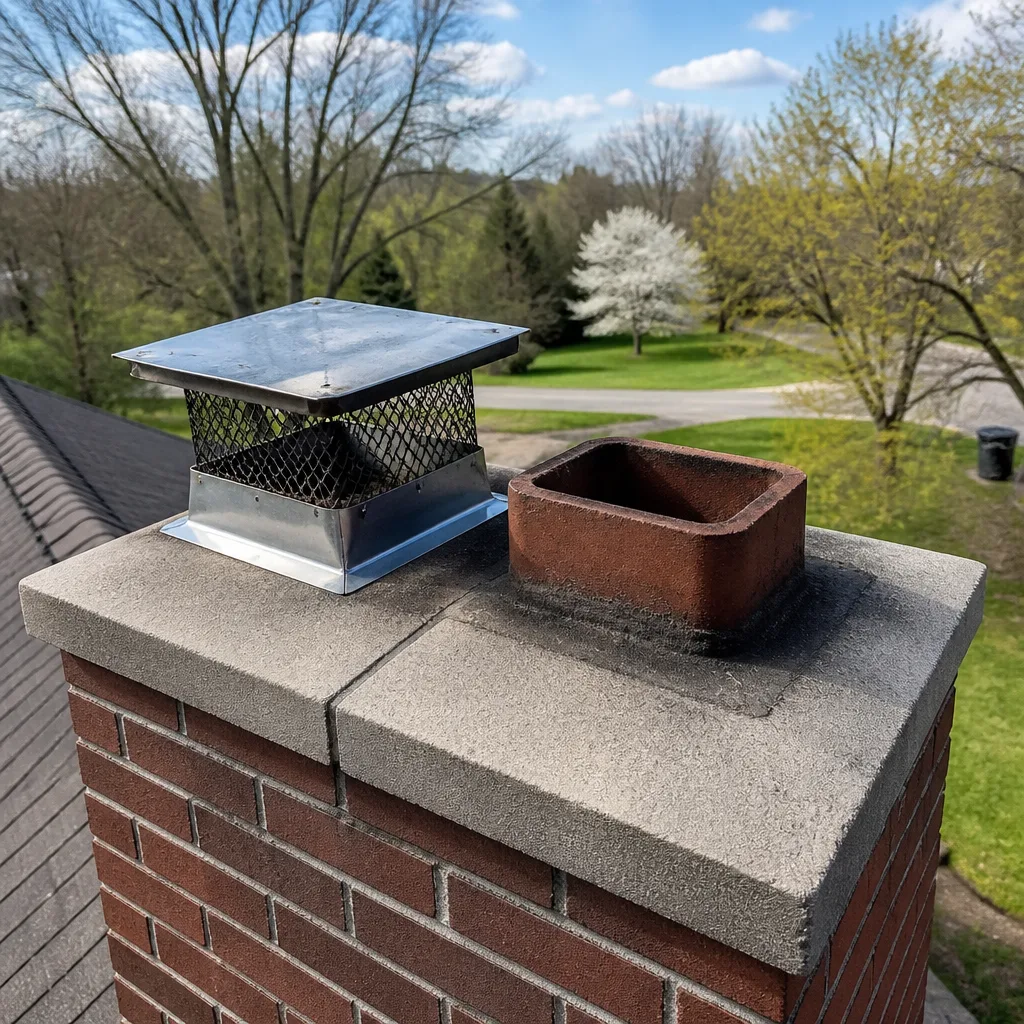
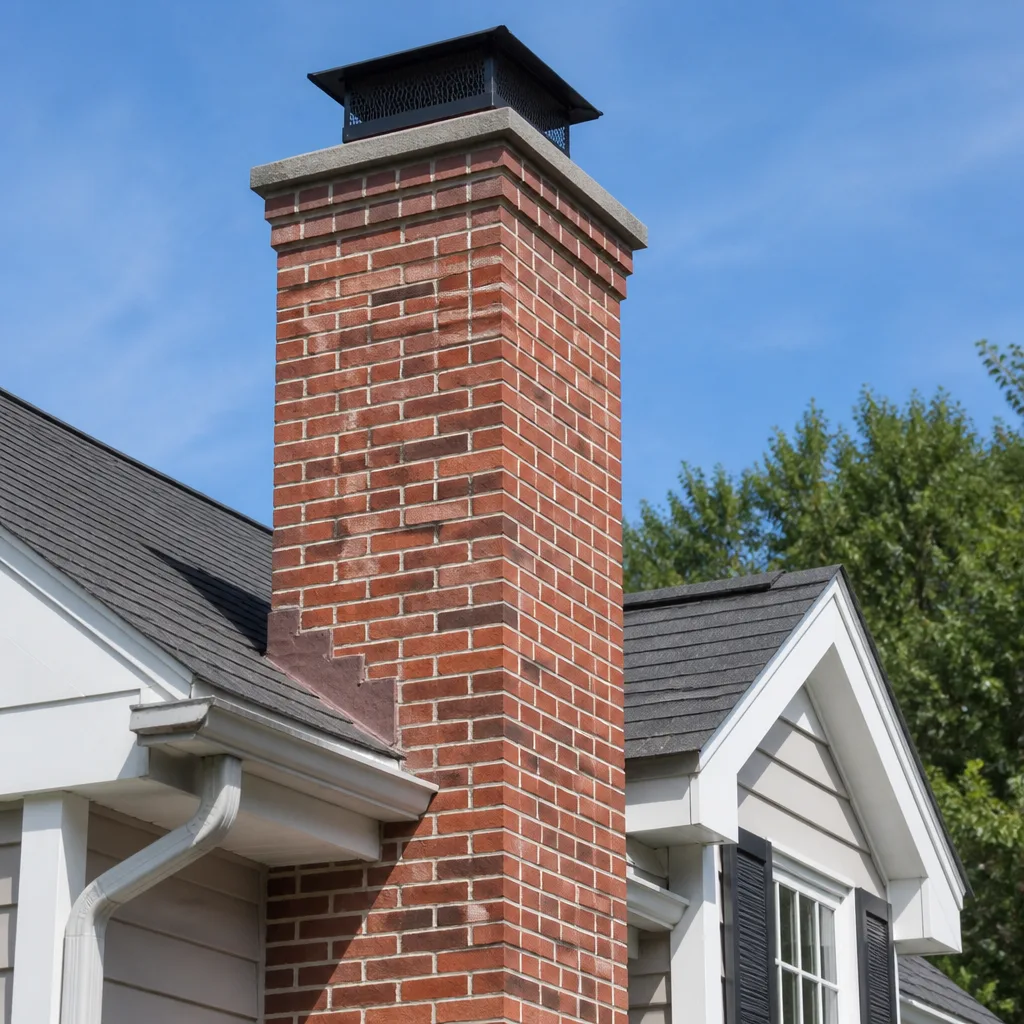
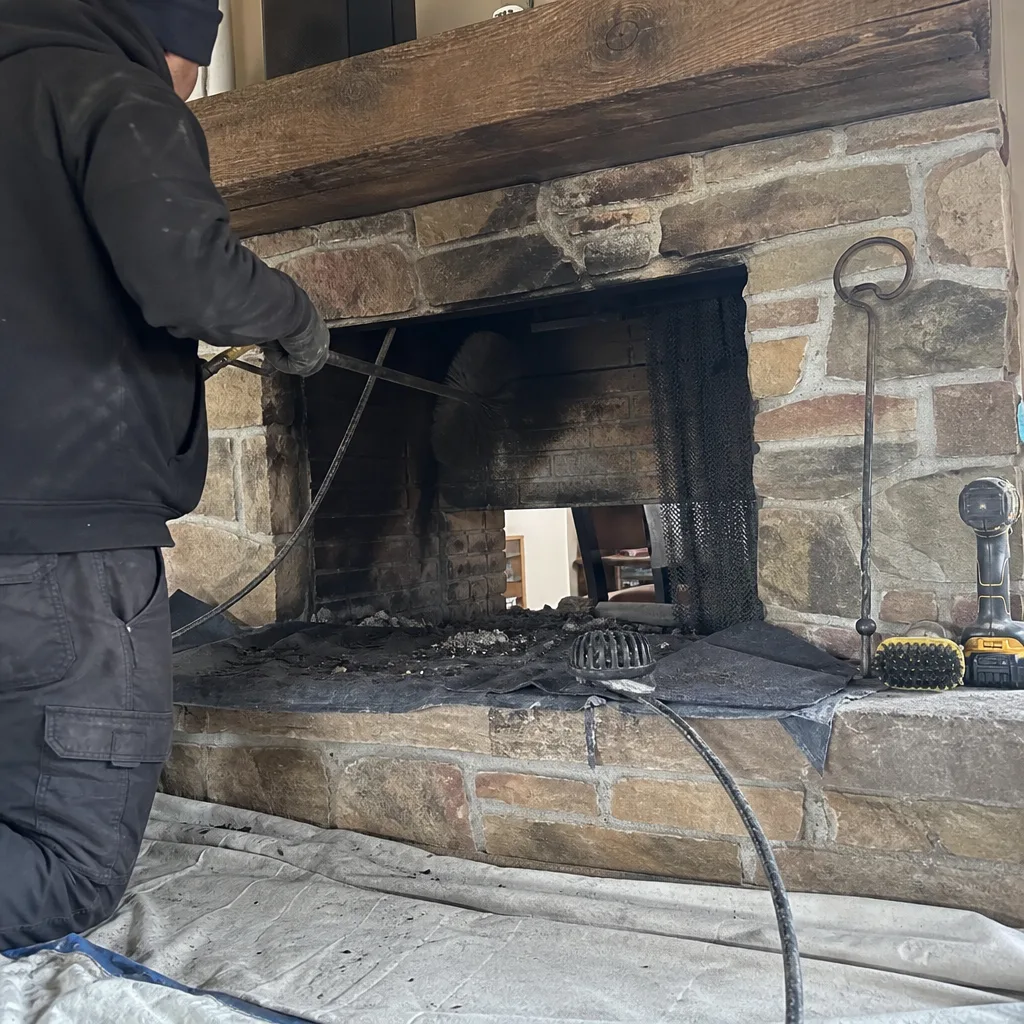 Before
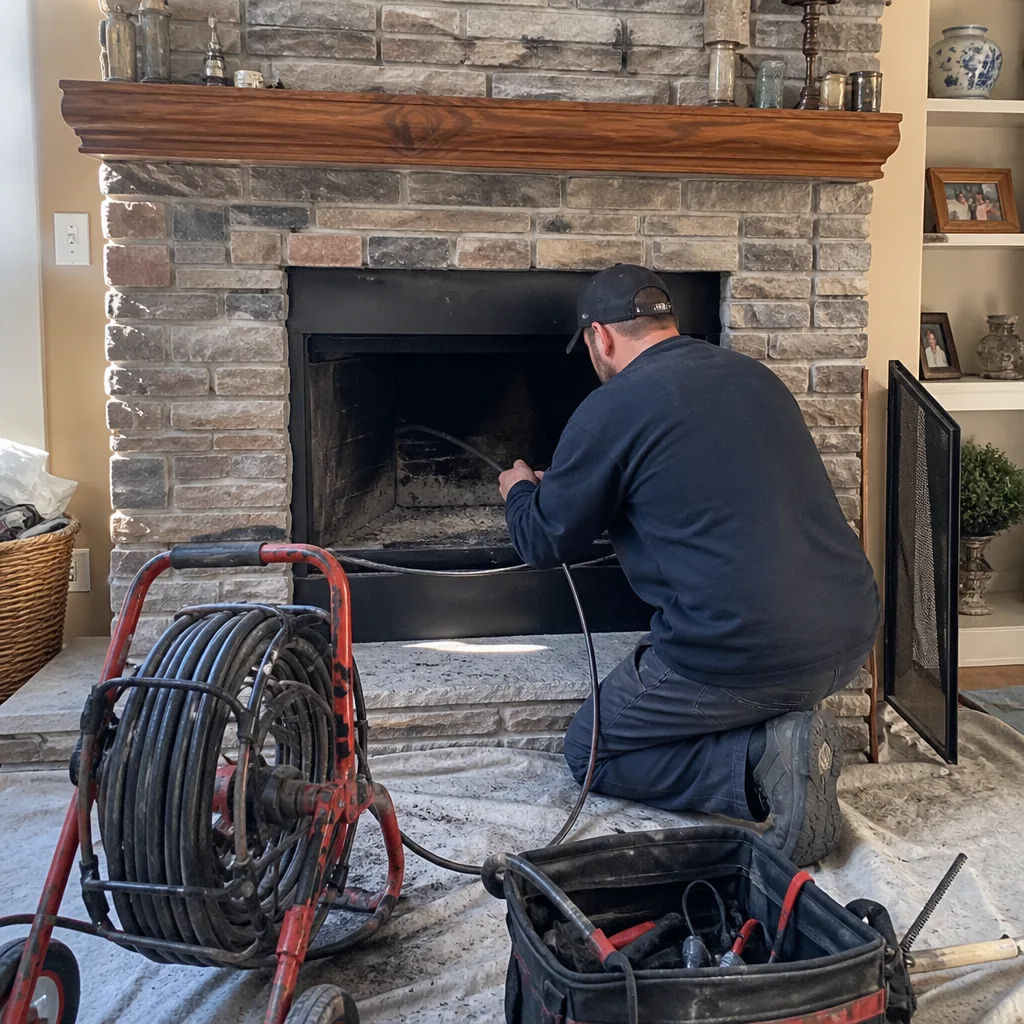 After
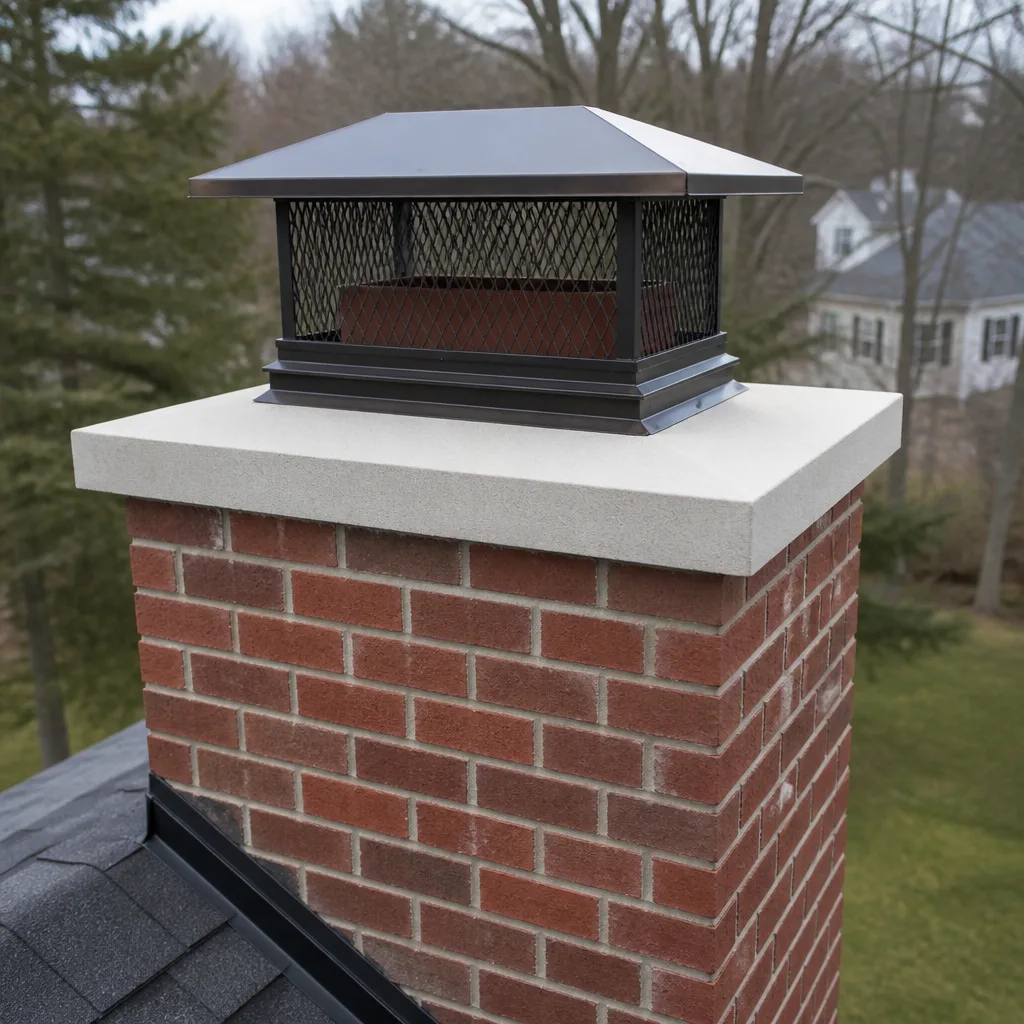
After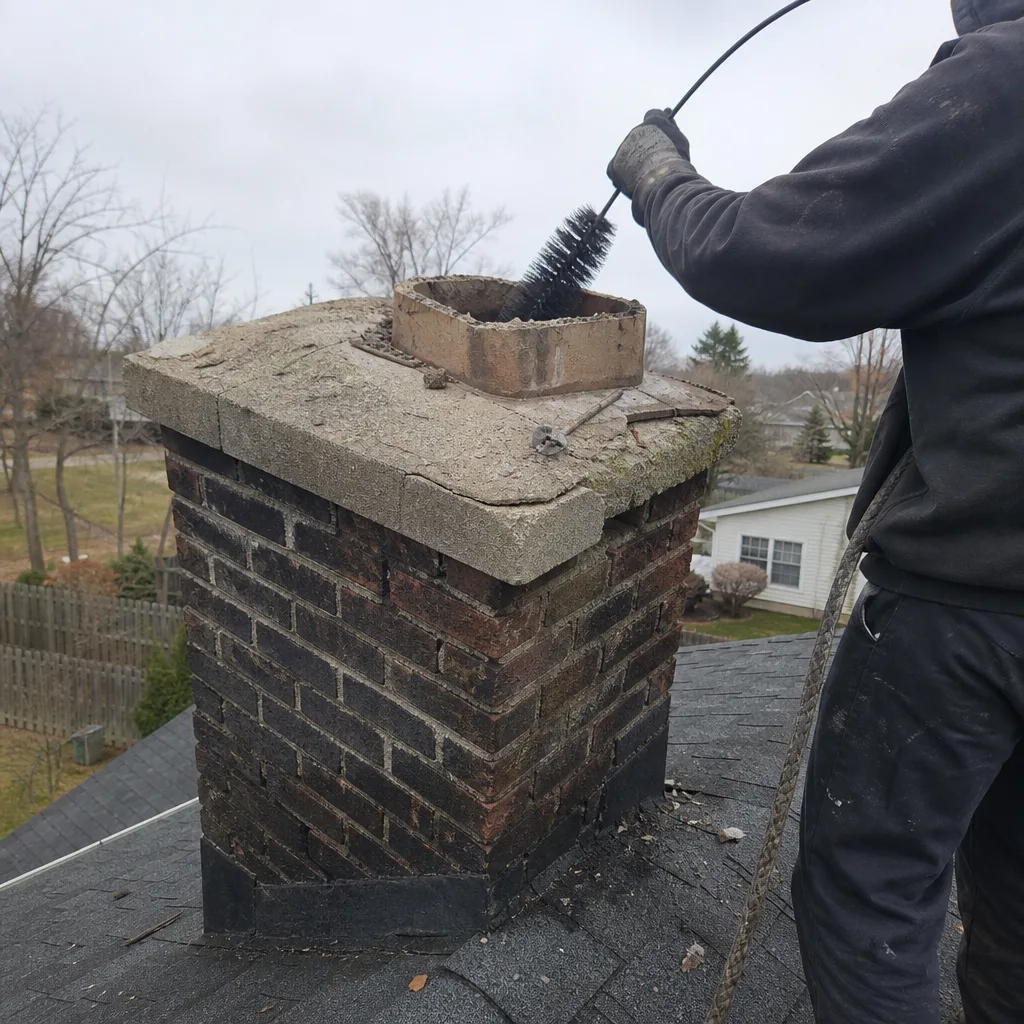 Before
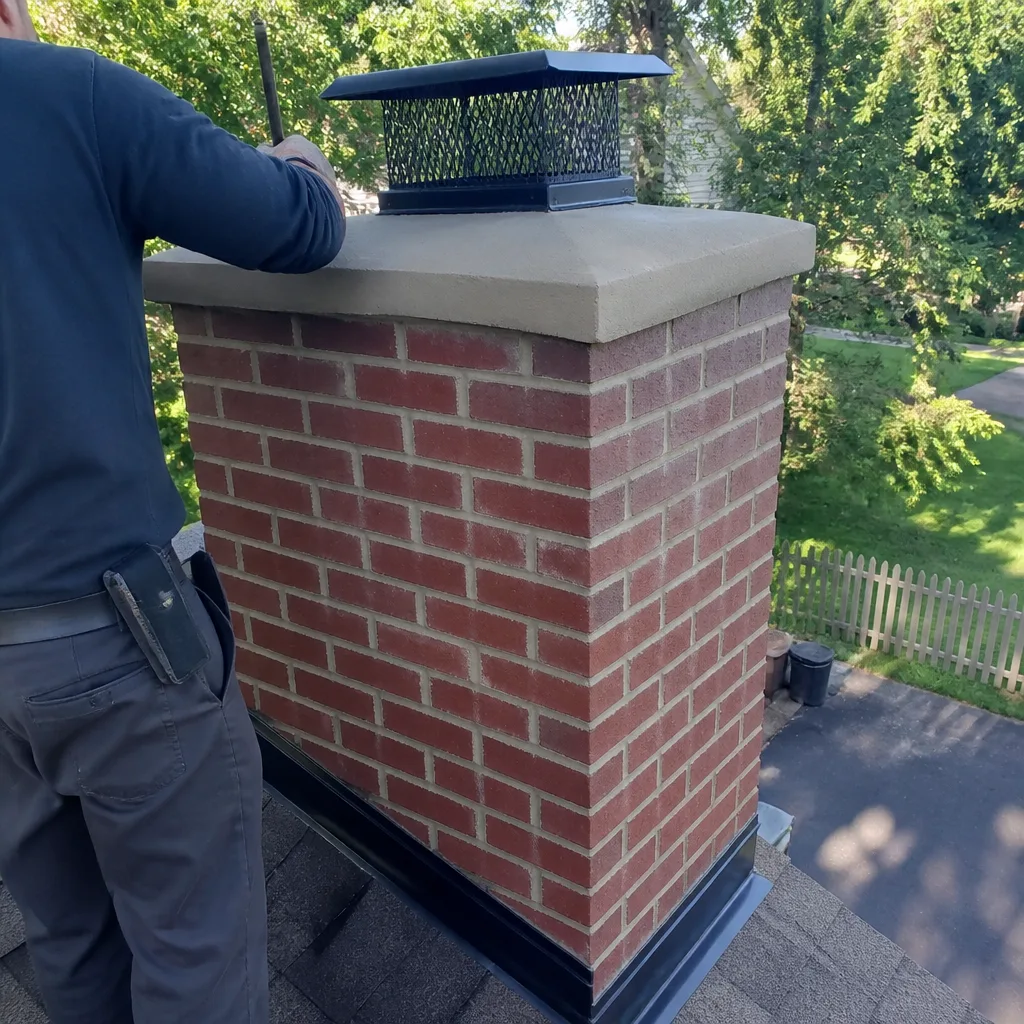 After
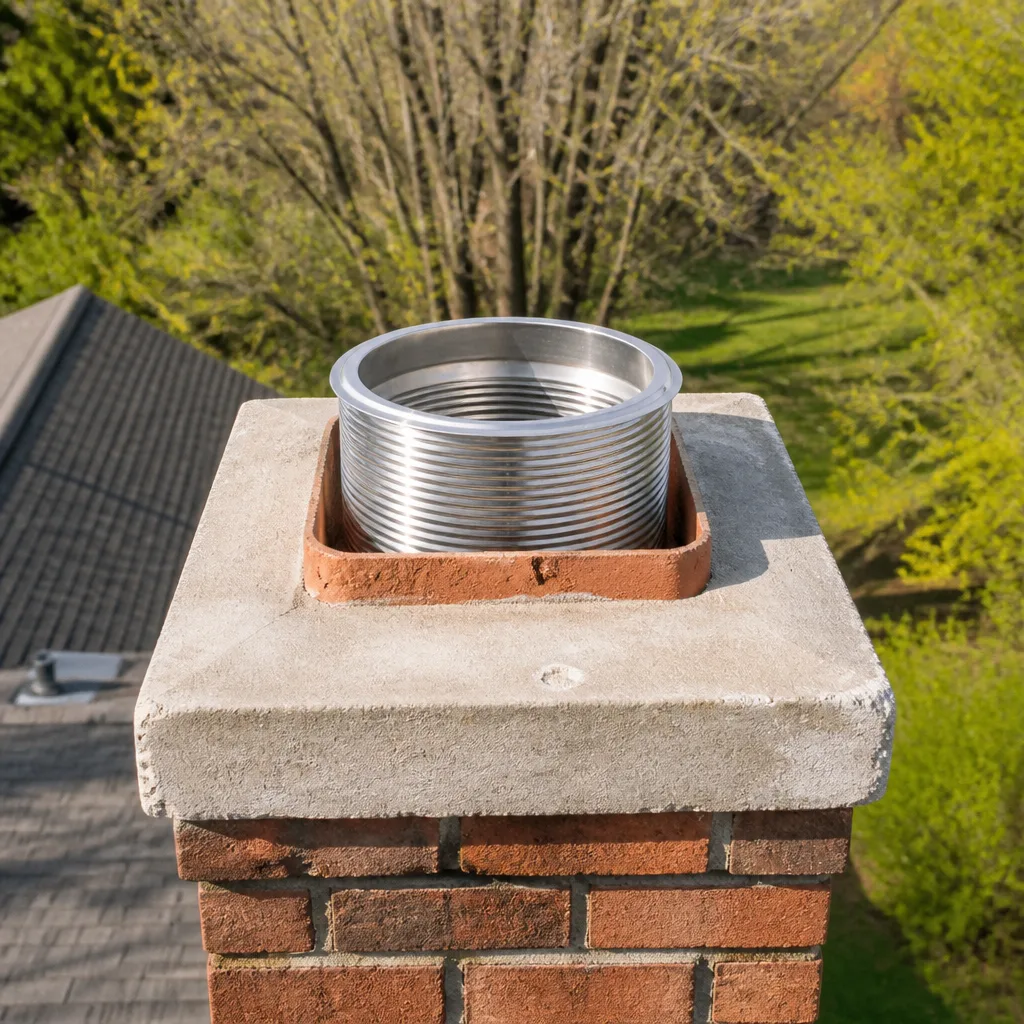
After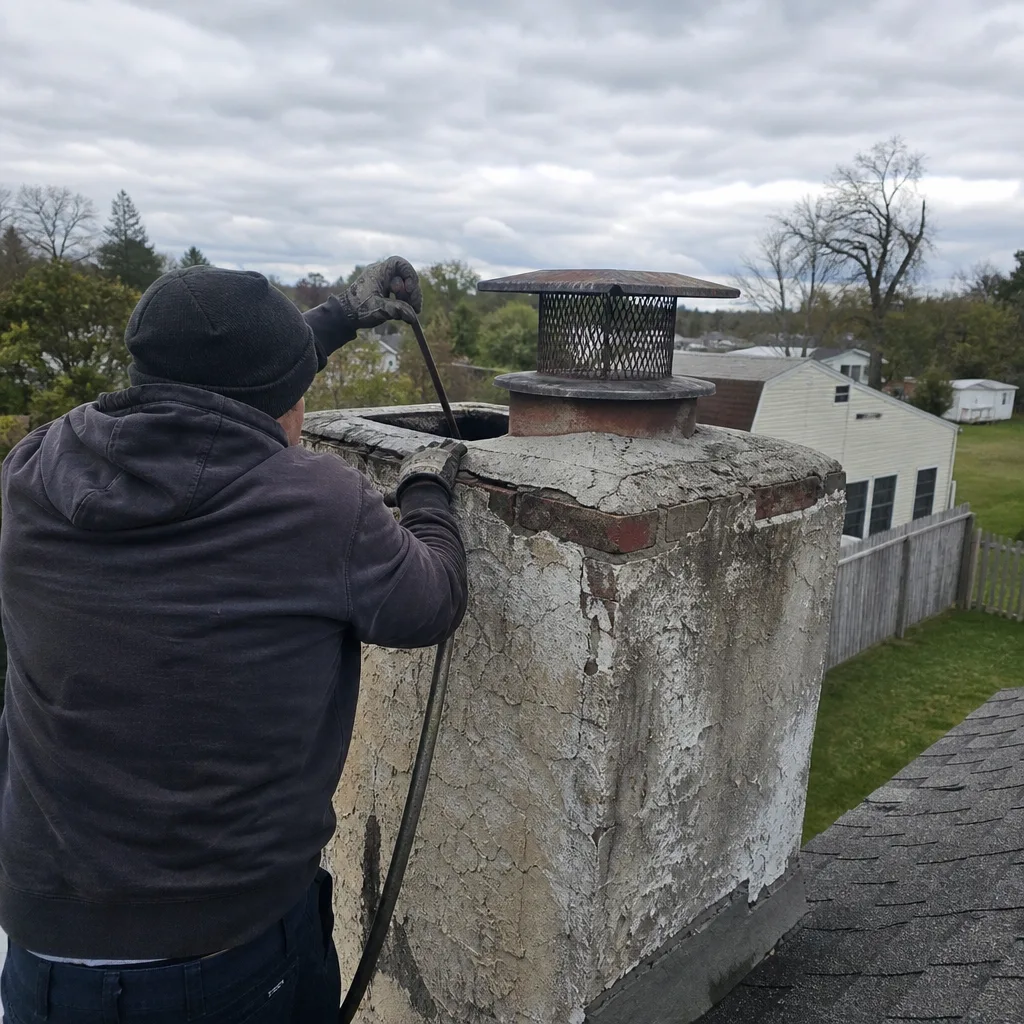 Before
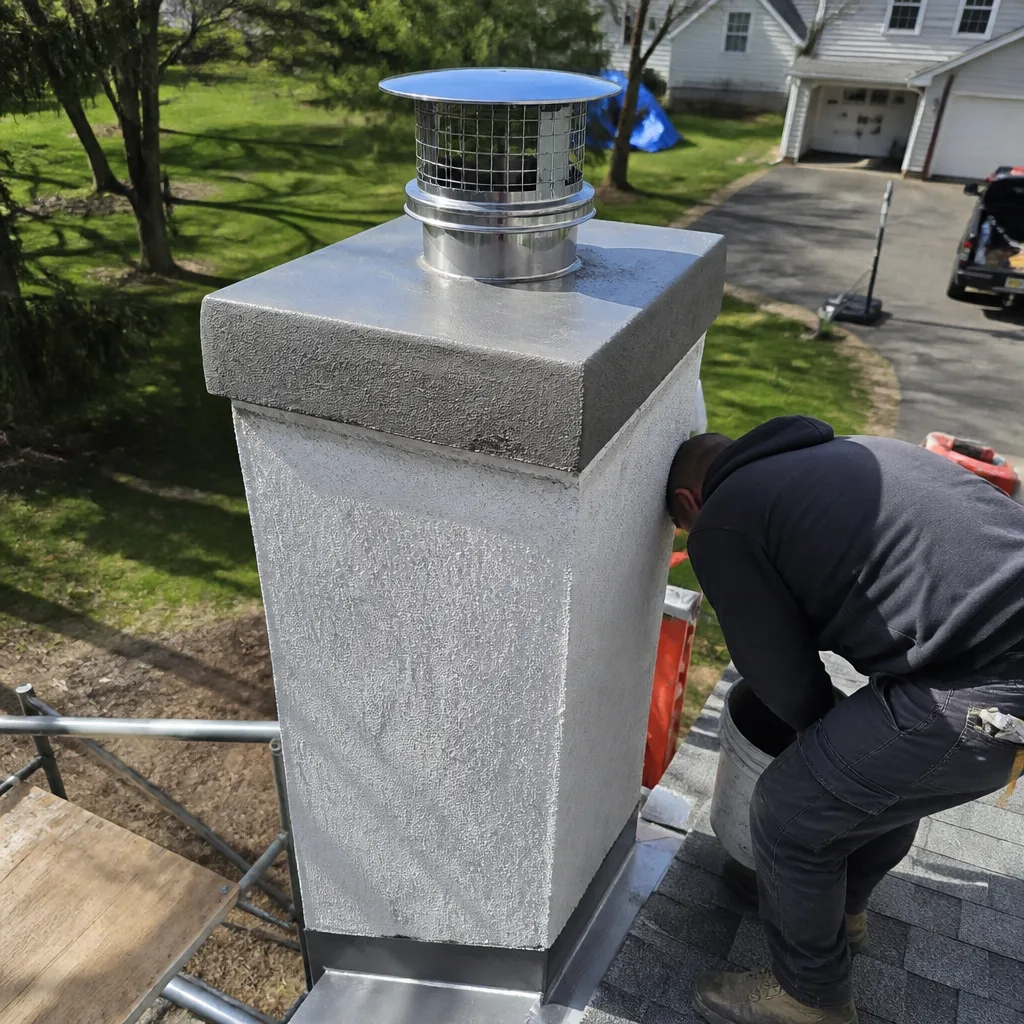 After
AfterFast, Reliable Chimney Cap & Crown Across Fountain Hill
A cracked chimney crown or a missing cap in Fountain Hill is rarely a one-flue problem. In this borough you’re almost always working with a shared stack, which means one bad crown can put water and exhaust into a neighbor’s living space, and vice versa. That’s the reality we work with every day. Top Hat Chimney has been at this since 1999, and Wendell Pike has spent enough time on Fountain Hill rooftops to know exactly how these 90-to-130-year-old masonry stacks behave. If you’ve got a cap that’s rusted through, a crown that’s spalling, or water staining on a ceiling below the chimney, call (484) 603-6713 and we’ll come take a look. A live person answers, around the clock.
Why Top Hat Chimney Is Fountain Hill’s Preferred Chimney Cap & Crown Company
The short answer: Wendell puts his name on the work and then runs into you again Saturday morning at the grocery store. That changes how a job gets done. We’re the locally owned, owner-operated alternative to the national outfits that quote one price on the phone, send a stranger to the door, and then disappear. Wendell founded Top Hat Chimney in 1999, and he still answers calls himself more often than not. You’ll get a real arrival window, a background-checked tech in uniform, and the price you heard on the phone is the price on the invoice. No surprises.
Fountain Hill customers bring us in for one reason more than any other: they can’t verify what a previous company told them. We hear it constantly, like a homeowner on Seneca Street who was quoted four thousand dollars for a liner job that a camera inspection proved unnecessary. That’s why we hand you the camera footage and a plain-English verdict, every time, no exceptions. If the work doesn’t need doing, we tell you. Our 90-Day Done Right Promise is in writing on every job. If it’s not right, one call brings Wendell back.
Our Chimney Cap & Crown Services in Fountain Hill
Cap Installation
A properly sized cap keeps rain, leaves, birds, and downdrafts out of your flue. In Fountain Hill’s attached rowhouses, a missing cap on one flue can let a squirrel or starling nest in the stack and block your neighbor’s flue entirely. That turns into a carbon monoxide backdraft into the adjacent home, and we’ve seen it on the blocks off Broadway more than once. We install Gelco and Olympia Chimney caps sized correctly to the flue, which matters more than people realize. An undersized cap chokes the draft, and an oversized one doesn’t stop wind-driven rain on the ridge-facing side of the borough.
Cap Replacement
A rusted or storm-damaged cap should come off before it fails completely. In Fountain Hill, the hilltop elevation and localized wind eddies above the Lehigh River valley mean caps take a beating, especially on the windward side of homes along the ridge. We replace old caps with stainless or copper models from Famco and Gelco, all sized to the flue and installed with the mesh screen that keeps animals out without restricting flow. If you can see daylight through the cap or mesh is torn, that’s a call worth making before the first hard freeze.
Crown Repair
The crown is the concrete slab on top of the chimney that sheds water away from the flue liners. On a 1920s Fountain Hill rowhouse, the original crown was poured thin and often without proper overhang, and decades of Lehigh Valley freeze-thaw cycles have done the rest. We rebuild crowns with a proper overhang, a drip edge, and a slope that sends water off the masonry rather than into it. In shared stacks, a cracked crown on one side migrates water through spalled mortar joints into the neighbor’s flue, which is why we always inspect the full width of the stack, not just the unit whose ceiling is stained.
Crown Coating
When a crown is structurally sound but starting to soften and absorb water, coating can buy it years rather than disturbing a functioning cap and masonry. We use industrial-grade crowns sealers designed for masonry chimneys, applied after cleaning and minor patching. It’s not a band-aid for a crown that’s already crumbled, which is a distinction we’re clear about on Fountain Hill jobs. If the crown is bad enough that water is already inside the flue, coating won’t save it, and we’ll say so plainly with the camera footage in hand.
What happens when you call
- 1
A real person answersNo phone trees - you reach a local pro.
- 2
You get an upfront price rangeHonest numbers before anyone is dispatched.
- 3
A background-checked tech heads outLicensed & insured, dispatched right away.
- 4
You approve before work beginsNothing starts until you say go.
Trusted Brands We Service in Fountain Hill
We work with Gelco, Olympia Chimney, and Famco products on Fountain Hill jobs, and we stock the common cap sizes and crown materials locally so a repair doesn’t sit for two weeks waiting on a parts truck. If you already have a Copperfield cap or another brand installed, we’ll service it and tell you honestly whether it’s worth keeping or replacing. Wendell has installed and worked on all of them, and he’ll tell you which ones hold up best on a Lehigh Valley roofline. No brand loyalty for its own sake, just what works on the house in front of him.
Common Chimney Cap & Crown Problems We See in Fountain Hill Homes
- Cross-moisture migration in shared stacks. A cracked crown over one flue lets rain into the common masonry, and that water travels sideways through old mortar joints into the adjoining unit’s flue and walls. One homeowner’s leak becomes two households’ problem.
- Animal nesting in uncapped flues. Missing or undersized caps on one side of a shared stack let birds and squirrels build nests that block the neighbor’s flue. The first sign is often a carbon monoxide detector going off or a furnace that keeps shutting down.
- Ridge-side downdrafts. Fountain Hill’s hillside position creates wind eddies that can push exhaust gases down an uncapped flue. In a shared stack, that downdraft can force those gases laterally into a connected unit’s living space rather than harmlessly out the top.
- Crumbling clay crowns from freeze-thaw cycling. The crowns poured on 1895-1935 worker housing were thin and rarely had a proper overhang. Lehigh Valley winters with sustained sub-freezing stretches are hard on them, and after a hundred years most have spalled and cracked past the point of patching.
Pricing for Chimney Cap & Crown in Fountain Hill, PA
We Also Serve Cities Near Fountain Hill
Beyond Fountain Hill, our crews cover Quakertown, Milford, Telford, and Franconia. If you’ve got a cap or crown problem on a shared stack in any of those towns, call the same number and Wendell or one of his crew will be there with the same straight answers and upfront pricing. Your flue doesn’t care how the fire looks; it cares how it breathes. And in a shared rowhouse block, that’s everyone’s business.
Serving Fountain Hill, PA - Our Local Coverage Area
We’re based in the Fountain Hill area and know this community well. Use the map below to see our service coverage - if you’re nearby, we can almost certainly help.
FAQs - Chimney Cap & Crown in Fountain Hill
My rowhouse shares a chimney stack with my neighbor. If their flue has a damaged crown, can that affect my chimney cap or cause water damage in my unit?
Yes. In Fountain Hill’s attached rowhouse blocks, flues run side by side inside shared masonry, and a cracked crown on your neighbor’s side lets rain into the common brickwork. That water then migrates laterally through old mortar joints and can stain your ceiling, damage your flue liner, and even soak the masonry around your own cap. This is exactly why our Chimney Cap & Crown team always inspects the full width of a shared stack, not just the unit that placed the call. If you’re seeing dampness, call (484) 603-6713 and we’ll trace it with a camera rather than guess.
How does a chimney cap prevent cross-contamination between flues in a shared Fountain Hill stack when my neighbor’s furnace vents into the same chimney?
A properly sized cap on each flue keeps its own exhaust moving up and out, rather than swirling inside the shared stack where pressure differences can push gases sideways through cracked flue liners into an adjacent unit. The cap also blocks wind-driven downdrafts that, on Fountain Hill’s ridge-facing rowhouses, can force combustion gases down one flue and into a neighbor’s living space through compromised masonry. That’s the block-level safety reason cap work on a shared stack is never just a single-home cosmetic fix.
The crown on my 1920s Fountain Hill rowhouse is spalling and flaking. Is it better to repair or completely rebuild the crown?
If the crown is flaking in small patches and the surface still slopes away from the flue, a repair with patching compound or a crown coat can extend its life for years. If it’s cracked through along the shared wall or crumbling to the point that water is already entering the flue, a full rebuild is the honest answer. We give you that call based on what the camera shows, not on what earns us a bigger invoice. On a 1920s Fountain Hill twin, the original crown was poured thin without a proper drip edge, and after a century of Lehigh Valley freeze-thaw cycles, a rebuild with the right overhang is usually the fix that lasts.
We have a shared chimney stack, but my neighbor refuses to cap their flue. Can our side be protected from animals and downdrafts with just a cap on our flue?
You can protect your own flue with a correctly sized cap, and that’s worth doing regardless of what the neighbor does. What you can’t fully control is the block-level risk: animals nesting in their uncapped flue can still obstruct gas flow in the shared stack and cause a backdraft into your unit. If you’re on a Fountain Hill rowhouse block and the neighbor won’t budge, call us at (484) 603-6713. We’ll inspect your side, cap it properly, and give you documentation of the shared-stack condition that you can hand to them or to a property manager if one exists.
After a rainy week, I notice dampness on the chimney breast inside my Fountain Hill twin. Could the crown or cap be the source, and how do you pinpoint it on a shared wall?
Almost certainly yes. A cracked crown or missing cap lets rain enter the stack, and in a twin or rowhouse the water often shows up on the chimney breast inside the home rather than on the exterior masonry. We pinpoint it by running a camera down each flue and inspecting the full crown surface from the roof, looking for cracks along the shared wall line and water staining in the flue liner. On a South Hoffert Street rowhouse, we found a crown cracked along the shared wall that had been sending rain into the common masonry for years. We rebuilt it with a custom overhang and installed a Gelco multi-flue cap sized to both flues, and the staining stopped. Call (484) 603-6713 for a free estimate, and we’ll show you the footage ourselves.
Written by Wendell Pike, Owner at Top Hat Chimney, serving Fountain Hill since 1999.