
Level 1 sweep and inspection to the NFPA 211 annual standard - flue, crown, cap, and flashing checked and photographed
Chimney sweep logs do not sweep chimneys. They loosen some creosote - which then falls where a brush and vacuum still have to collect it.
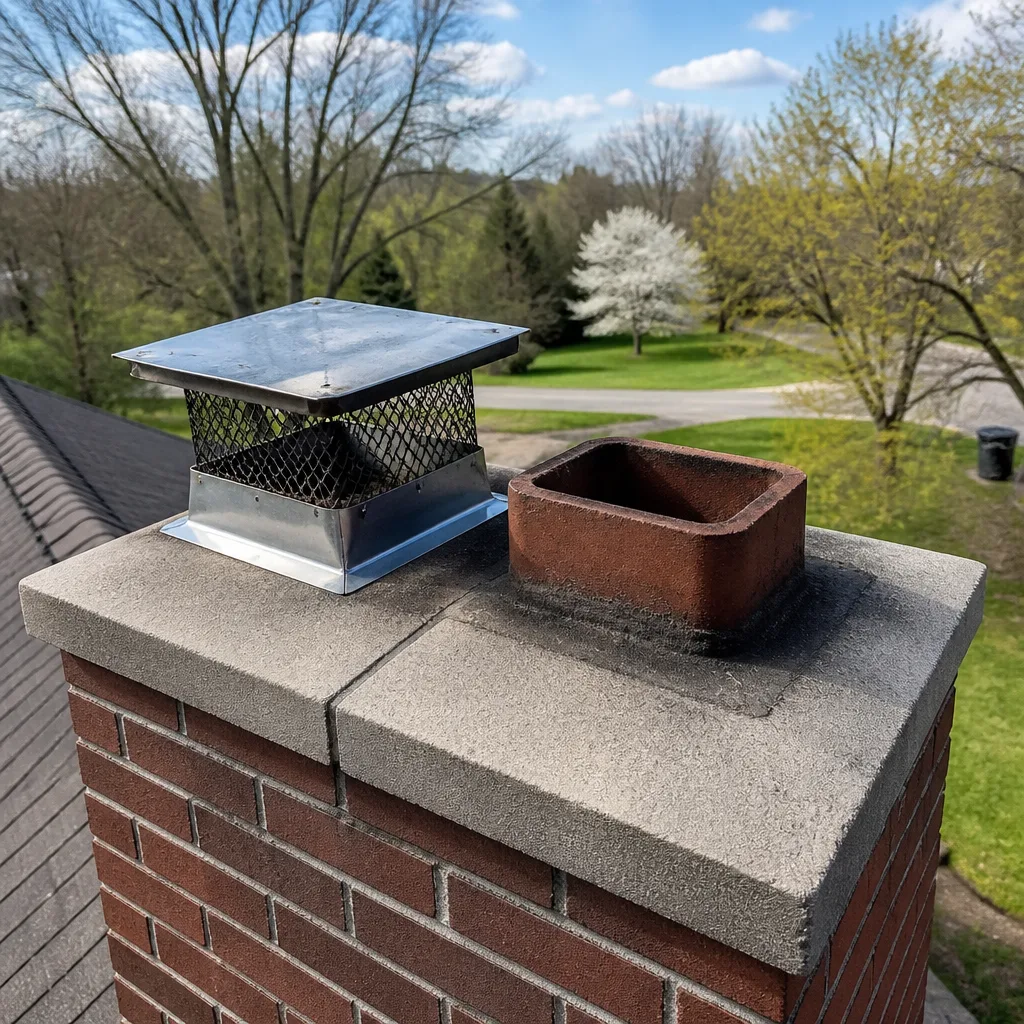
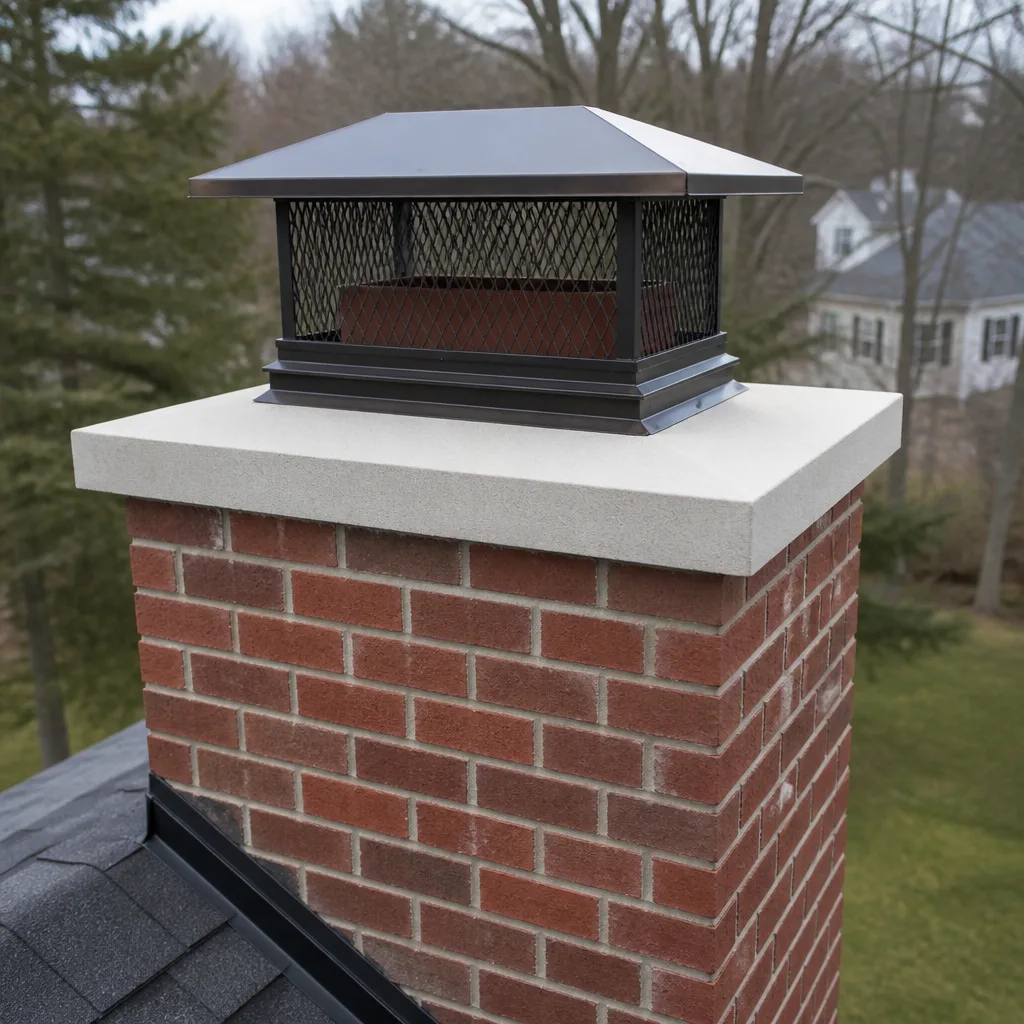
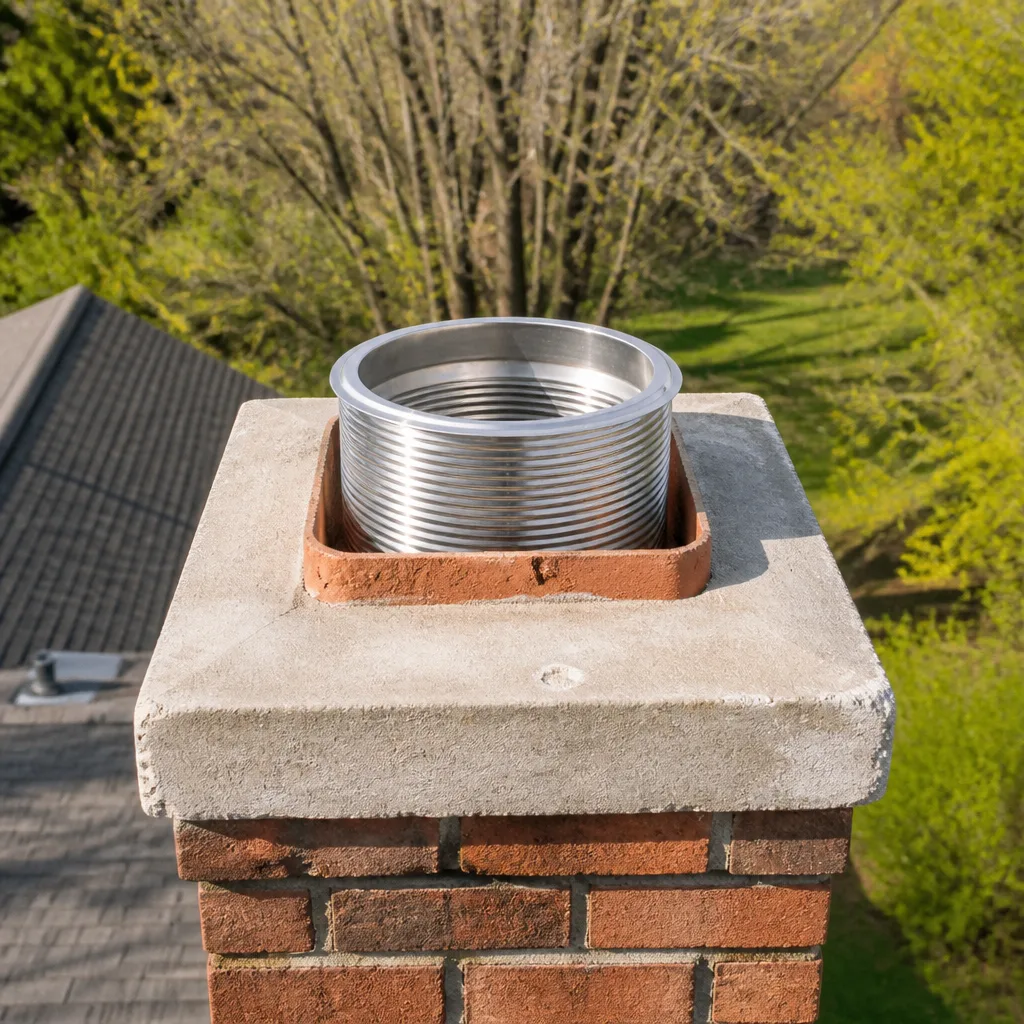
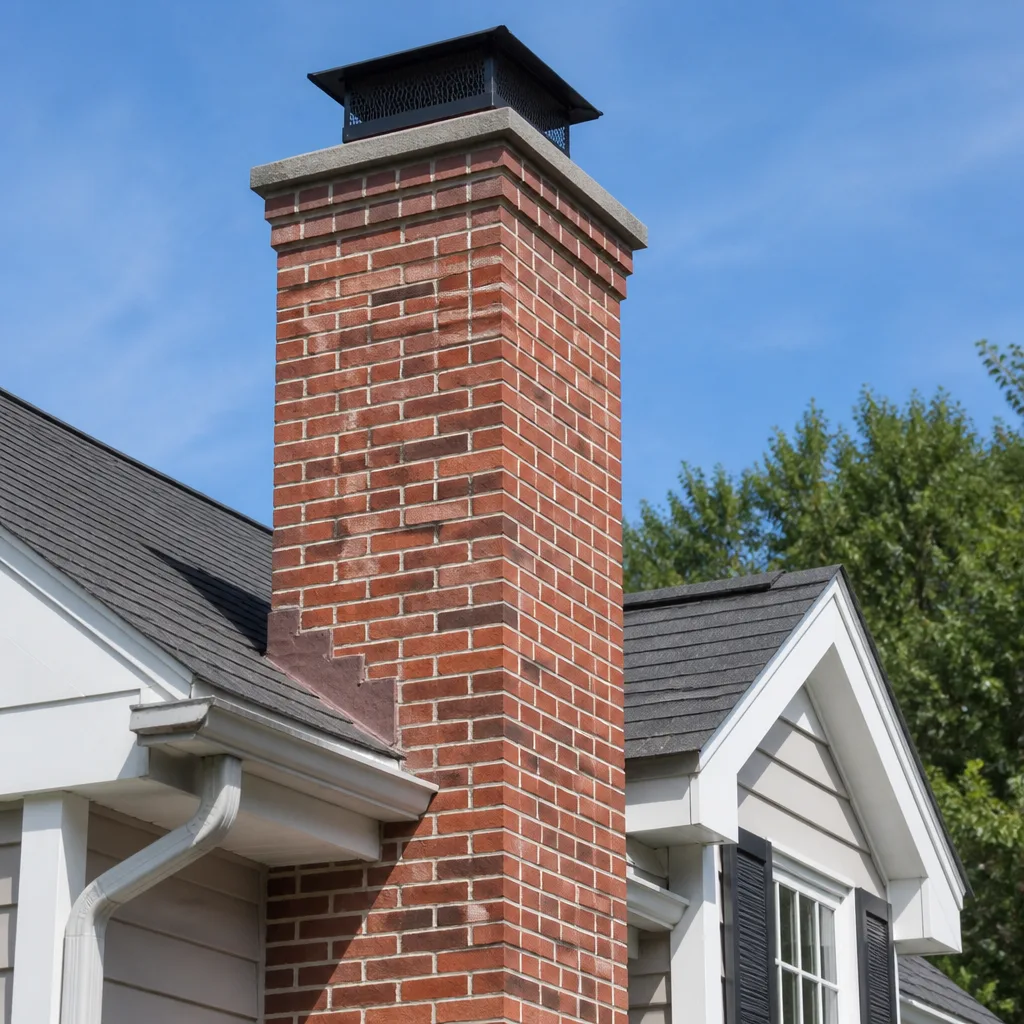
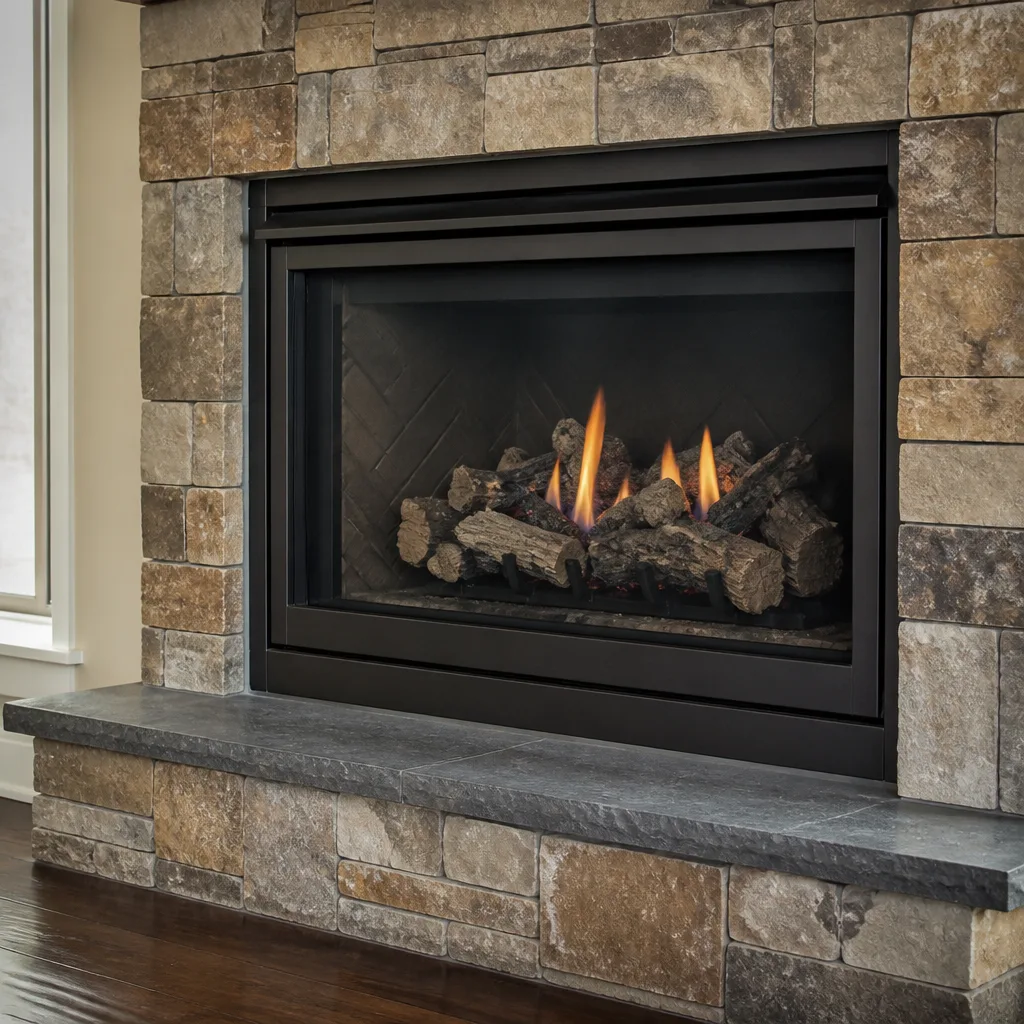
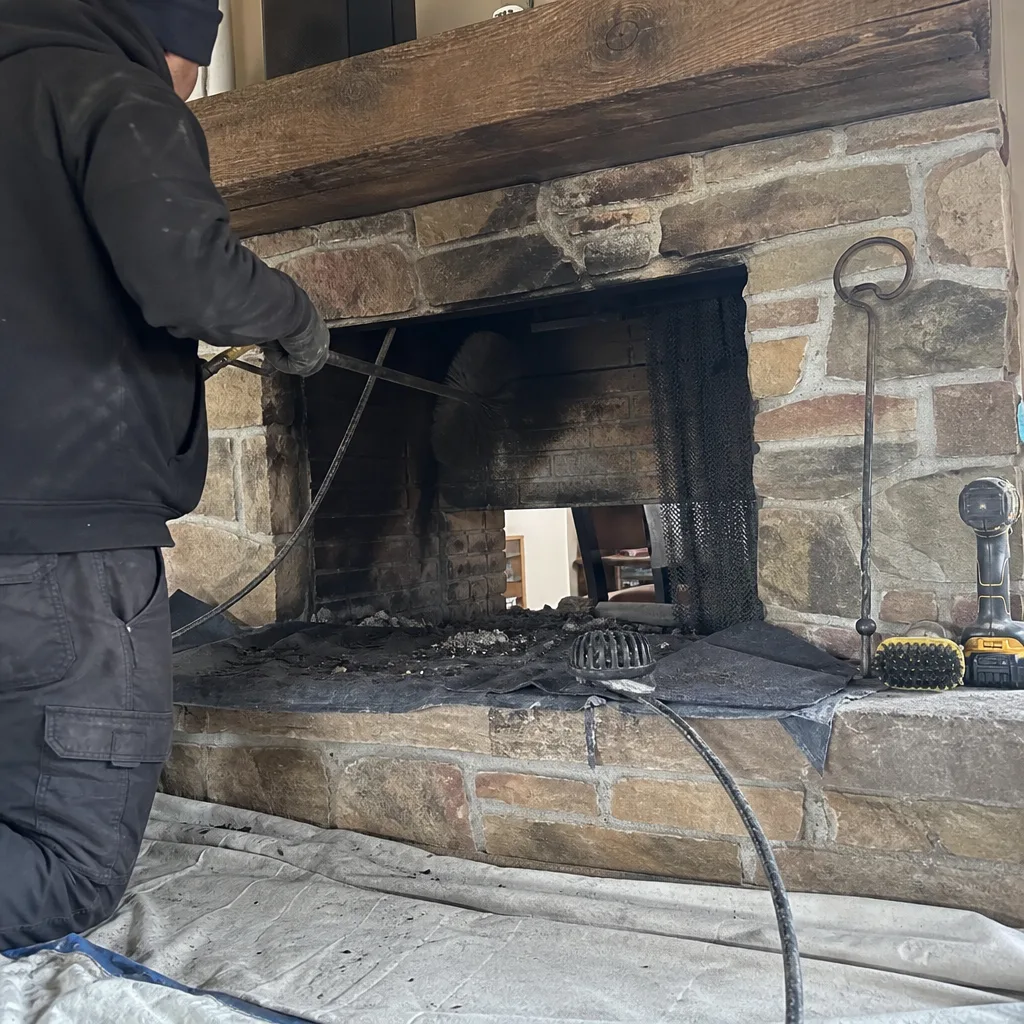 Before
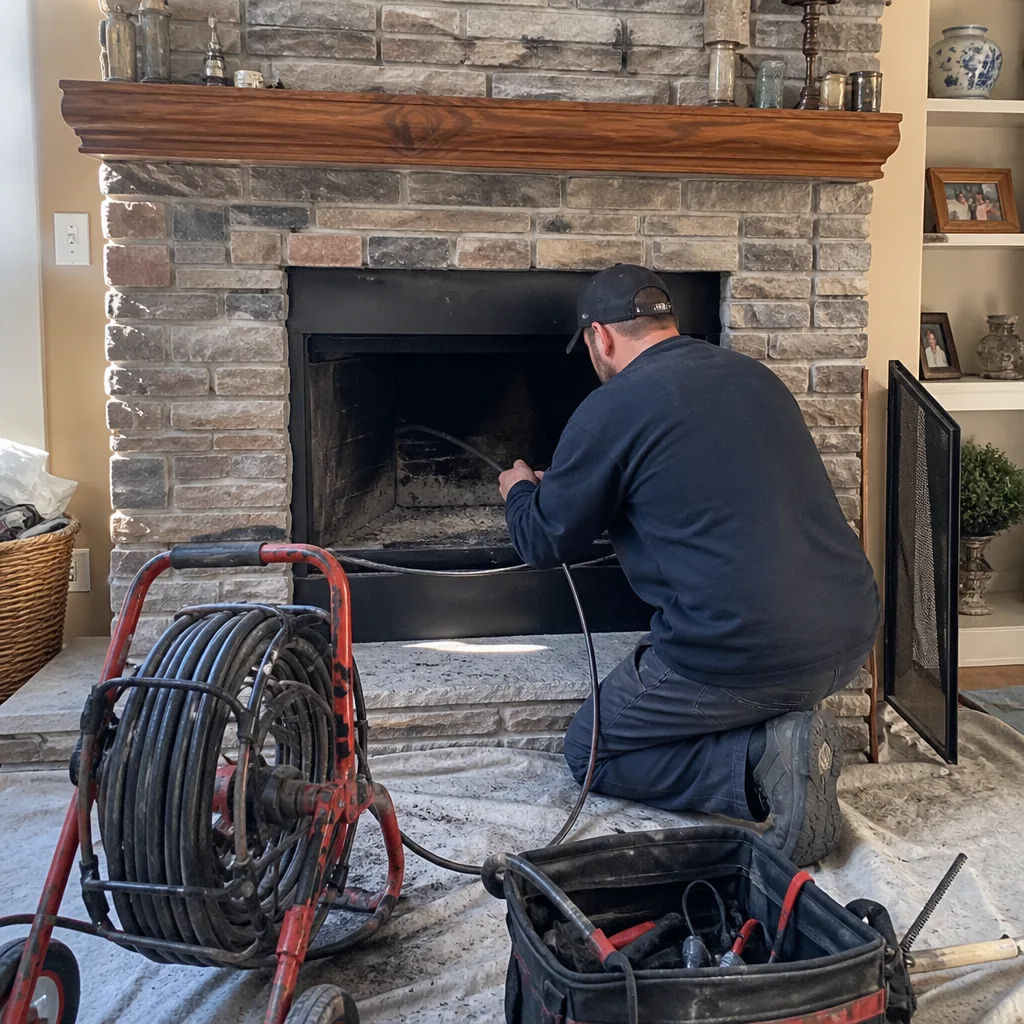 After
After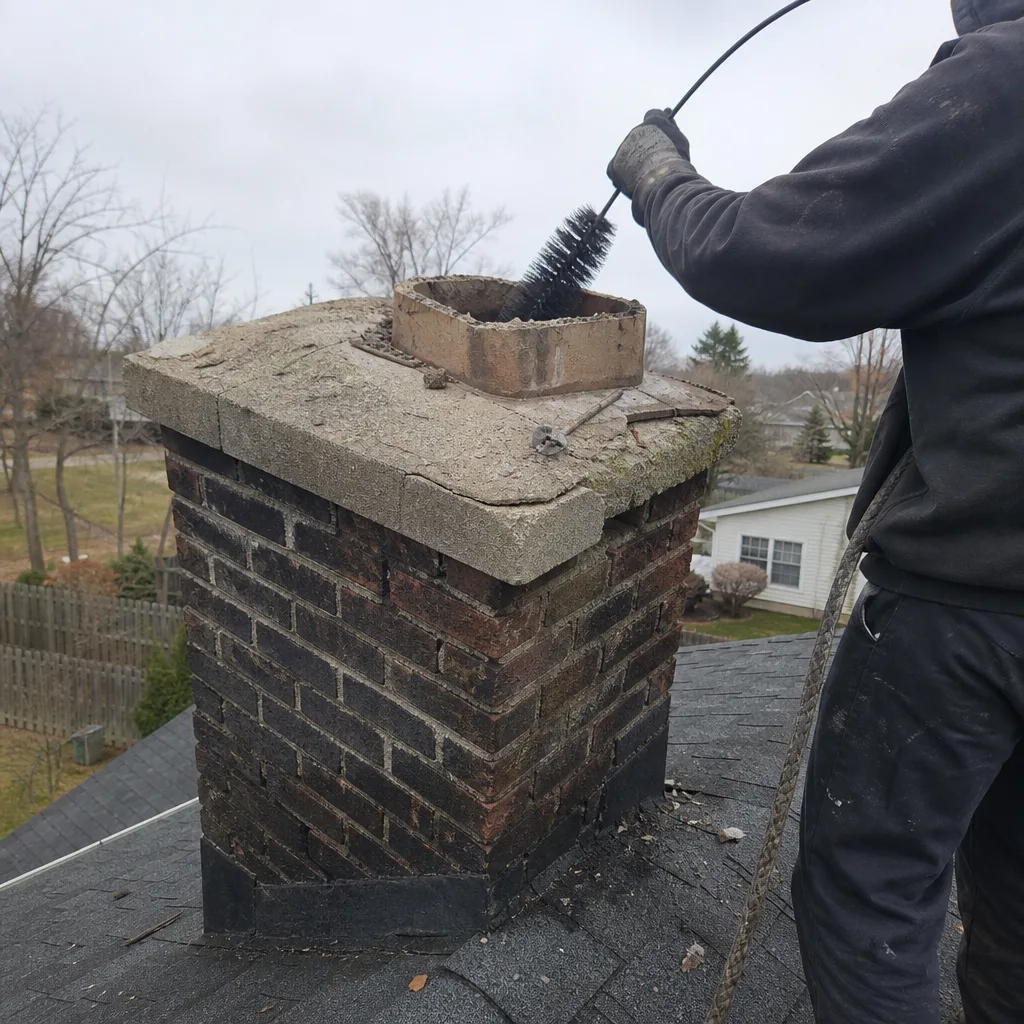 Before
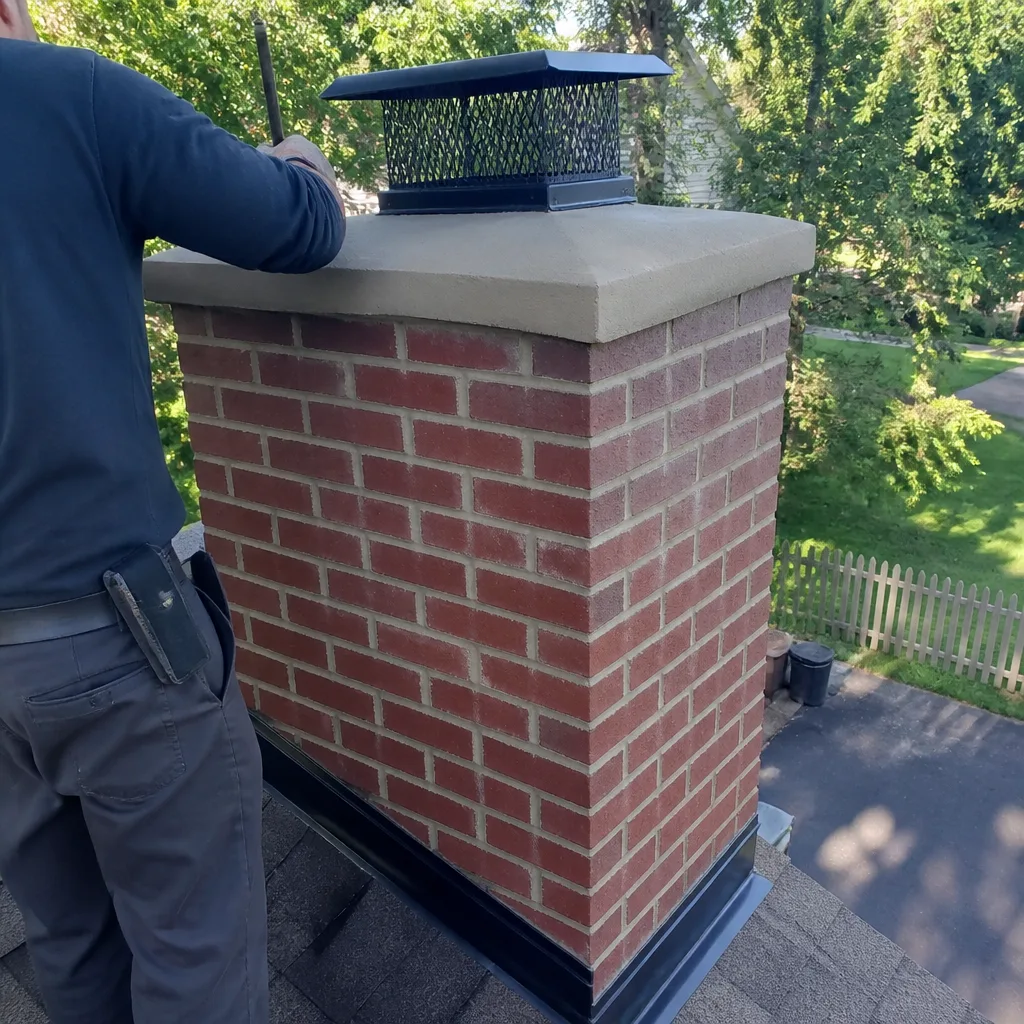 After
After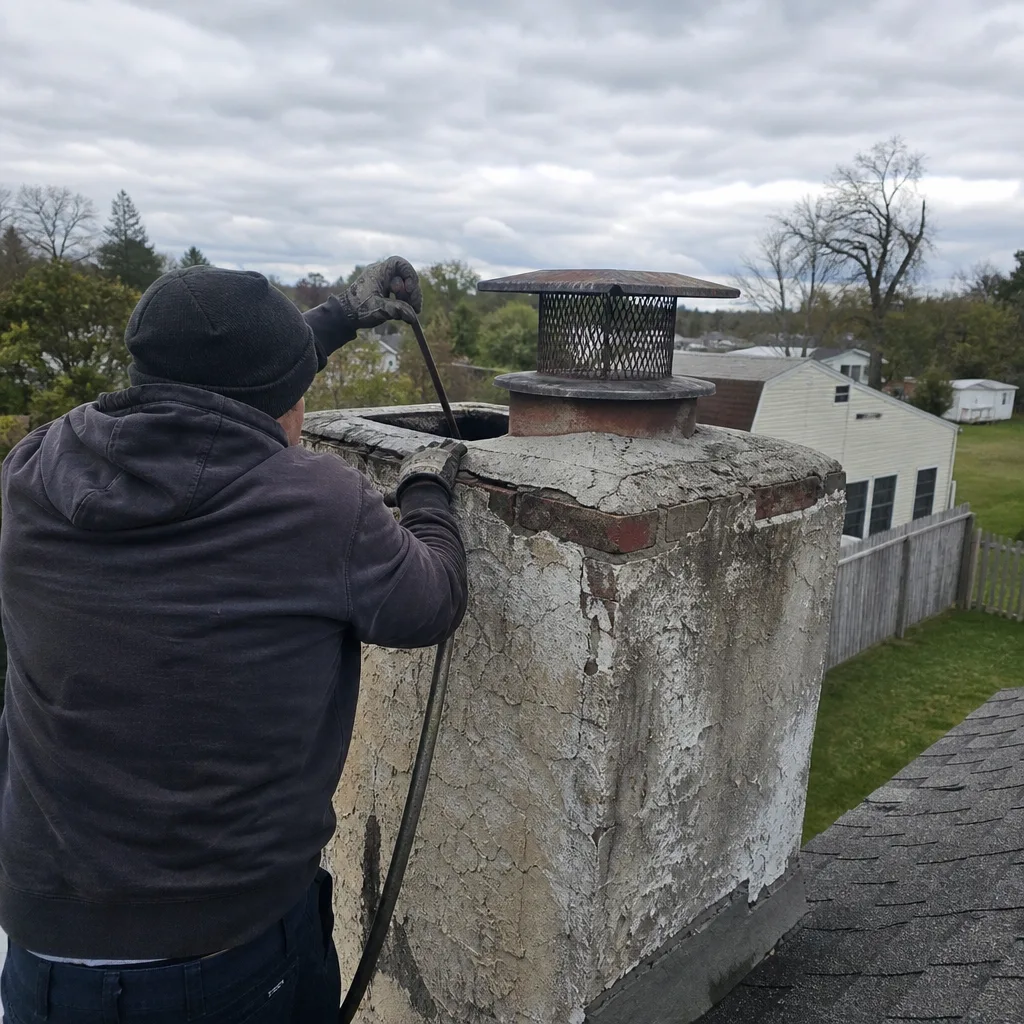 Before
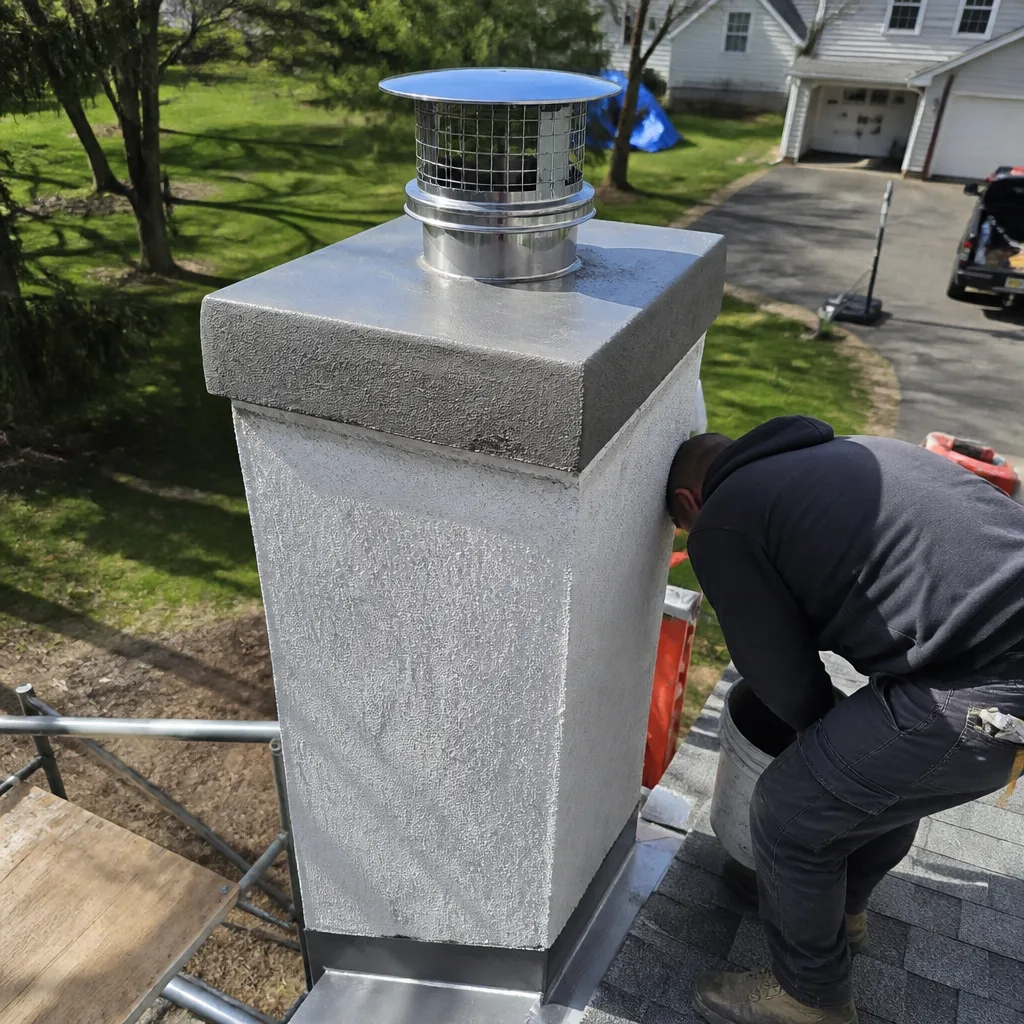 After
AfterSoot Removal in Quakertown, PA
Chimney Cleaning & Sweep Near Me in Quakertown, PA typically runs $120-$280, depending on how much has built up and how long it has been since the last sweep. Most jobs are done in a single visit, and the flue is ready to use the same day. If you are seeing black staining around the firebox, smelling smoke in rooms away from the fireplace, or noticing a fine dark dust on nearby surfaces, it is time to call.
At Top Hat Chimney, soot removal is part of our standard Chimney Cleaning & Sweep in Quakertown work – Wendell Pike has been doing this since 1999, and he has swept chimneys in just about every neighborhood in Bucks County. You get a real arrival window, upfront pricing before a single brush comes off the truck, and the job is backed by our 90-Day Done Right Promise. If something is not right, one call brings us back, no charge. Call (484) 603-6713 anytime – a live person picks up around the clock, and some nights that person is Wendell himself.
What Soot Actually Is – and Why It Matters
Soot is the fine black carbon that forms when wood or other fuel does not burn completely. Every fire produces some of it. The problem is that soot is porous, acidic, and hydrophilic – meaning it holds moisture against masonry, liner tile, and metal components. Left alone season after season, it accelerates spalling in mortar joints, corrodes clay flue tiles, and creates the conditions where creosote – a far more dangerous compound – gains a foothold.
In Quakertown and the surrounding Richland Township area, the fireplaces Wendell sees most often run on split hardwood from local farms and woodlots. Red and white oak from Bucks County burns well when it is properly seasoned, but a lot of homeowners are burning wood that has not had the full 12-18 months it needs. Green or wet wood produces dramatically more soot per cord than properly dried wood. It is not a character flaw – it is just what happens when you buy a delivery in October and start burning it in November. The result is a flue that can go from clean to caked in a single heating season.
Soot is the first stage. Once it starts baking onto the liner surface under repeated high-heat cycles, it begins converting to creosote. First-degree creosote is a brush job. Third-degree is a hardened glaze that no standard brush will touch. Catching soot early – before that conversion happens – is the whole point of a regular Annual Sweep.
When You Need Soot Removal
Some of these signs are obvious. Some homeowners miss them for years. Here is what to watch for:
- Black dust or powder on the hearth or surrounding floor. If you are finding fine dark residue outside the firebox between fires, soot is migrating down from the flue – often a sign of significant buildup combined with a draft issue.
- Smoke odor in rooms away from the fireplace. Quakertown homes built in the 1960s through the 1980s often have a single central chimney serving multiple appliances. Soot blocking one flue can push odor into adjacent living spaces through shared masonry.
- A visible dark line or staining above the firebox opening. That rollout stain tells you smoke is not drafting cleanly. Heavy soot at the smoke shelf – a spot most homeowners never see – is usually the reason.
- It has been more than 12 months since your last sweep. The Chimney Safety Institute of America and the National Fire Protection Association both say annually, burn or no burn. Chimneys in Quakertown’s climate also deal with freeze-thaw cycles from November through March, which can shift liner joints and create ledges where soot collects faster.
- You just moved in and do not have records. This comes up constantly in Richland Township and West Rockhill – older colonials and farmhouses change hands without any chimney documentation. Wendell treats every new-homeowner call as a first-time inspection until he can show you what is actually in the flue.
- A recent chimney fire, even a small one. A low-temperature soot fire – one you may not have noticed as anything more than extra crackling – can leave a glazed residue that traps the next layer of soot more aggressively. It is worth having the flue looked at after any unusual event.
Our Soot Removal Process
Wendell and his crew do not show up and start guessing. Here is the sequence, in order:
- Drop cloths, then a conversation. Before any equipment comes out, the work area is protected – hearth, floor, any nearby furniture. Then Wendell or the sweep on site talks with you for two minutes: when did you last burn, what kind of wood, any smells or drafting issues you have noticed. That conversation changes what to look for.
- Camera inspection of the flue. A video camera goes up before the brushes do. This gives a baseline record of liner condition, mortar joint integrity, and the depth of soot and any early-stage creosote. You see the footage and get a plain-English verdict – not a sales pitch, an honest read of what is there.
- Rotary or hand brushing from the top down. For standard soot accumulation, Wendell uses industry-grade brushes – sized precisely to your flue’s interior dimensions – worked from the chimney crown downward. Debris falls into the firebox and is captured in the drop-cloth system below. For more stubborn deposits, a rotary system is used. Either way, nothing is left on the liner surface that a proper brush can remove.
- Smoke shelf and firebox cleaning. The smoke shelf sits just above the damper and is one of the highest-concentration soot points in any fireplace. It is also the spot most national chain sweeps skip because it is awkward to reach. Wendell cleans it every time, without being asked.
- Debris removal and cleanup. All soot and debris is vacuumed with HEPA-filtered equipment and bagged for disposal. The work area should look the same as it did before we started – or cleaner.
- Post-job walkthrough and written record. You get a written summary of what was found and what was done. If anything needs attention – a cracked tile, a corroded damper plate, mortar erosion at the crown – Wendell tells you in plain terms what it is, what happens if you leave it, and what it costs to fix. No pressure, no manufactured urgency.
Soot Removal Pricing in Quakertown
Soot removal in Quakertown runs $120-$280 for a standard single-flue fireplace with moderate to heavy buildup. Here is a clearer breakdown:
| Service Scope | Typical Range |
|---|---|
| Light soot removal (annual maintenance, recent prior sweep) | $120-$160 |
| Moderate buildup (1-3 seasons without sweeping) | $160-$220 |
| Heavy accumulation with smoke shelf cleaning and video inspection | $220-$280 |
| Second flue on the same visit | Add $75-$110 |
| Soot removal combined with early-stage creosote treatment | $280-$420 |
What moves the number: how long since the last cleaning, what you have been burning and whether it was properly seasoned, the interior dimensions of your flue, and whether access to the chimney top is straightforward or involves steep pitch roofwork. Older Quakertown homes with tall center chimneys and original clay liner tiles sometimes take more time simply because the geometry is less forgiving.
If any repair comes out of the inspection – a cracked tile, deteriorating mortar at the crown, a damaged damper – $40 off any repair over $200 is a standing offer on every job. Seniors and veterans always get 10% off. There is no trip charge for calls inside our service county.
Estimates are free. Call (484) 603-6713 and we will give you a number before anything else happens.
FAQs – Soot Removal in Quakertown
How often does soot need to be removed from a chimney in Quakertown?
Once a year is the standard, whether you burned through the whole winter or only lit a few fires. Quakertown’s freeze-thaw cycle from late November into March works on mortar joints and liner tiles even when the fireplace is sitting cold, which can create new ledges and gaps where soot accumulates faster once you start burning again. If you are burning more than two cords a season, or if you know the wood was not fully seasoned, schedule the sweep in early fall before the first fire of the year. Call (484) 603-6713 for a quick read on what your specific setup needs.
Is soot removal different from chimney sweeping?
Soot removal is the core task inside a full Chimney Cleaning & Sweep services – the two terms describe the same core service. A chimney sweep includes soot removal along with inspection of the liner, damper, smoke shelf, crown, and cap. If a sweep tells you they offer soot removal as a separate add-on after quoting a sweep, that is a pricing tactic worth questioning. At Top Hat Chimney, the sweep price covers the full job: brushing, smoke shelf cleaning, debris removal, and a camera inspection. Nothing is billed separately that should be included.
Can I remove soot from my chimney myself?
You can clean soot off the firebox walls and the visible face of the damper with a dry brush and appropriate protective gear – that is a reasonable DIY task. The flue interior is a different matter. Without a brush sized to your exact flue dimensions, you redistribute soot more than you remove it, and you cannot see what you are missing without a camera. More importantly, the upper flue, smoke chamber, and chimney crown are tight, high spaces where a fall is a real possibility. Wendell’s honest recommendation: do the visible firebox yourself if you want to, and let us handle the flue. The fee for a proper sweep is a lot less than an emergency room visit.
What does soot smell like, and is it dangerous to breathe?
Soot has a sharp, acrid, smoky smell – different from wood smoke, closer to what you notice when you stand near a diesel exhaust. In concentrated form it is a known respiratory irritant and contains polycyclic aromatic hydrocarbons, which are not compounds you want to breathe regularly. If you are smelling soot inside the house when the fireplace is not in use, that is a draft or blockage issue that needs attention before the next fire. Carbon monoxide is the greater danger in a blocked or poorly drafting flue – it is colorless, odorless, and fatal at high concentrations. If you have any reason to suspect a blocked flue, call before you light a fire. We pick up around the clock.
Why Quakertown Homeowners Call Top Hat Chimney
Wendell Pike has been working chimneys in Bucks County since 1999. That is over 29 years of sweeping flues in Quakertown, Richland Township, Milford Township, Pennsburg, and the surrounding communities – long enough to know which streets have center-chimney colonials with original clay liners, which neighborhoods have a lot of prefab fireplaces that look like masonry, and where the contractors building new construction in the early 2000s ran flues at angles that hold soot in ways a plumb liner does not.
That local knowledge matters in a practical way. When the sweep at your door has worked the same 20-mile radius for three decades, he does not need to improvise. He has seen your flue type, or one close enough to it, a hundred times. He knows what to look for.
Wendell puts his name on the work – literally. It is on the estimate, the invoice, and the 90-Day Done Right Promise that goes with every job. If something is not right within 90 days of the service, one call brings the crew back. No negotiating, no voicemail loop, no waiting to see if the callback happens. The phone is answered by a live person every hour of the day.
The pricing you hear on the phone is the pricing on the invoice. That is not a marketing line – it is how Wendell has run every job since the beginning. The people who call Top Hat Chimney have usually had the other experience at least once: the number changes at the door, the stranger with no local address, the unreachable phone after the job is done. That is the problem this business was built to be an alternative to.
Top Hat Chimney works with quality supplies from Copperfield and Olympia Chimney, among other trusted names in the industry. That matters when a repair is identified during a soot removal visit – the parts going into your chimney are the same ones used by sweeps who stand behind their work long-term.
Learn more about everything included in a full annual visit on our home page, or go straight to the details on our Chimney Cleaning & Sweep in Quakertown page.
Schedule Your Soot Removal in Quakertown
If you have questions about what is in your flue, or you already know it is time for a cleaning and you want a number before we show up, call (484) 603-6713. A live person answers every call – days, evenings, weekends. Estimates are free, pricing is upfront, and the 90-Day Done Right Promise is in writing on every job. Wendell and his crew serve Quakertown and the surrounding Bucks County communities, and they have been doing it since 1999.
Written by Wendell Pike, Owner at Top Hat Chimney, serving Quakertown.