
Level 1 sweep and inspection to the NFPA 211 annual standard - flue, crown, cap, and flashing checked and photographed
Chimney sweep logs do not sweep chimneys. They loosen some creosote - which then falls where a brush and vacuum still have to collect it.
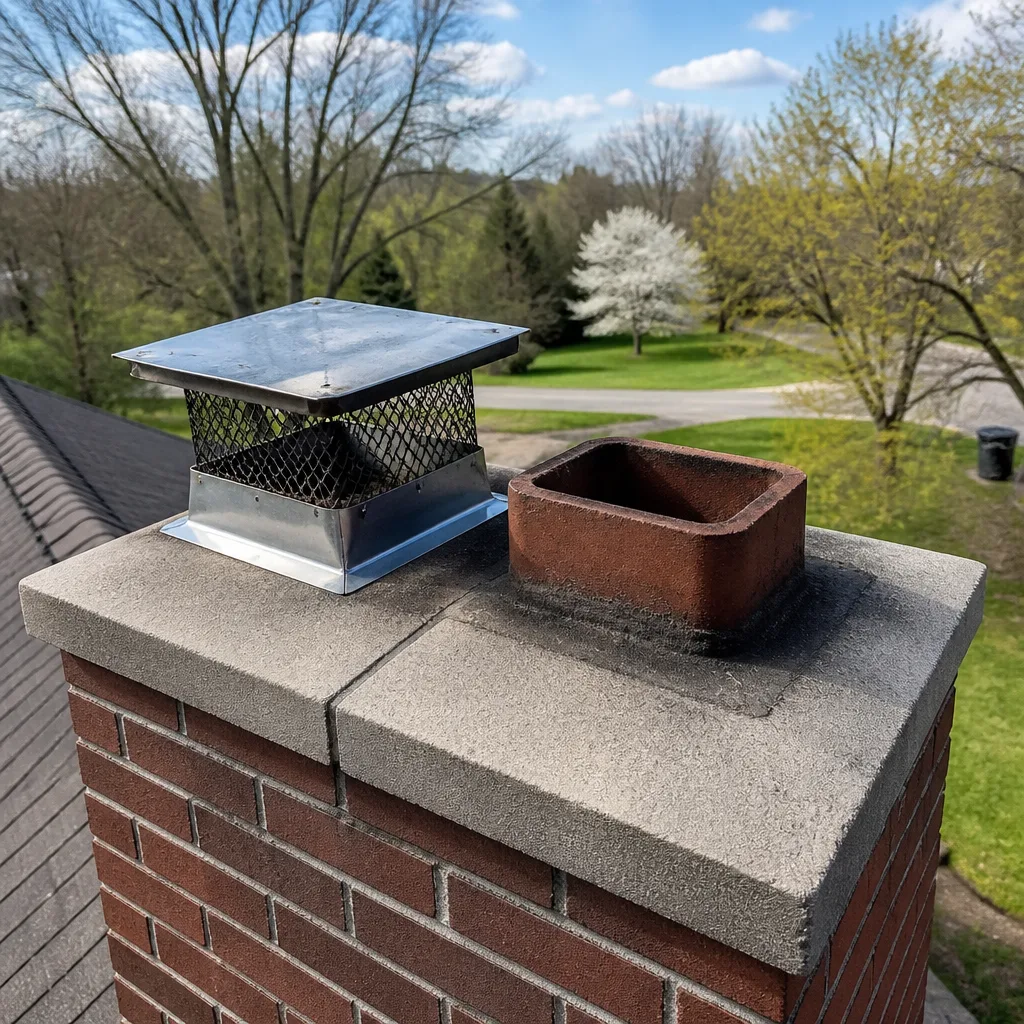
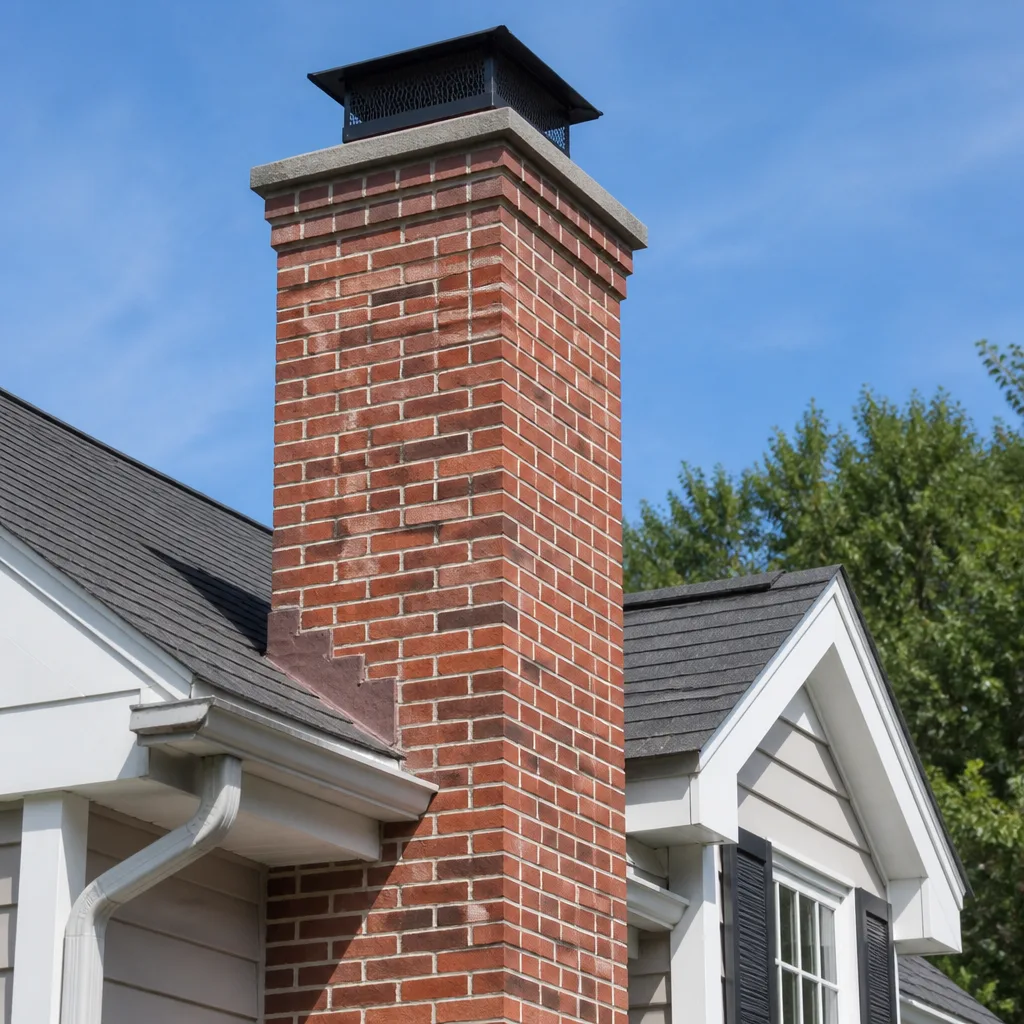
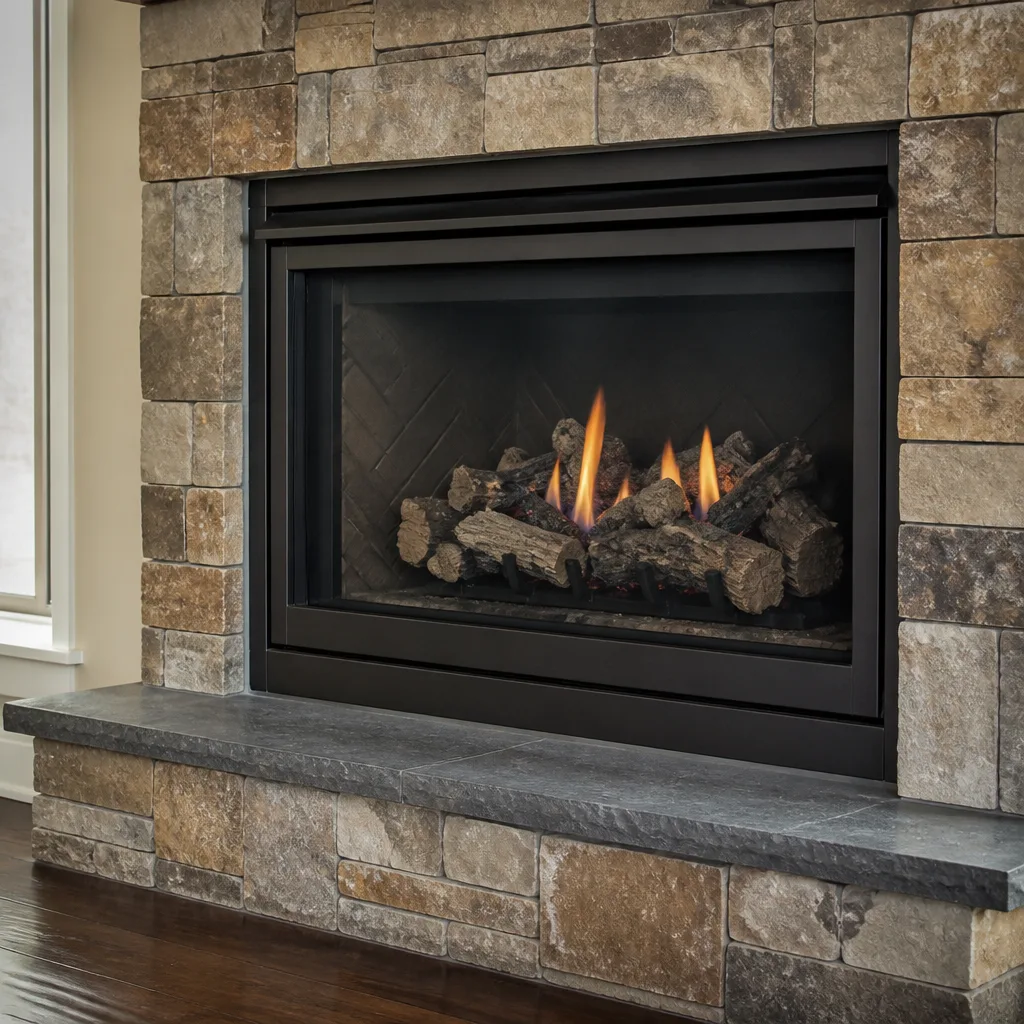
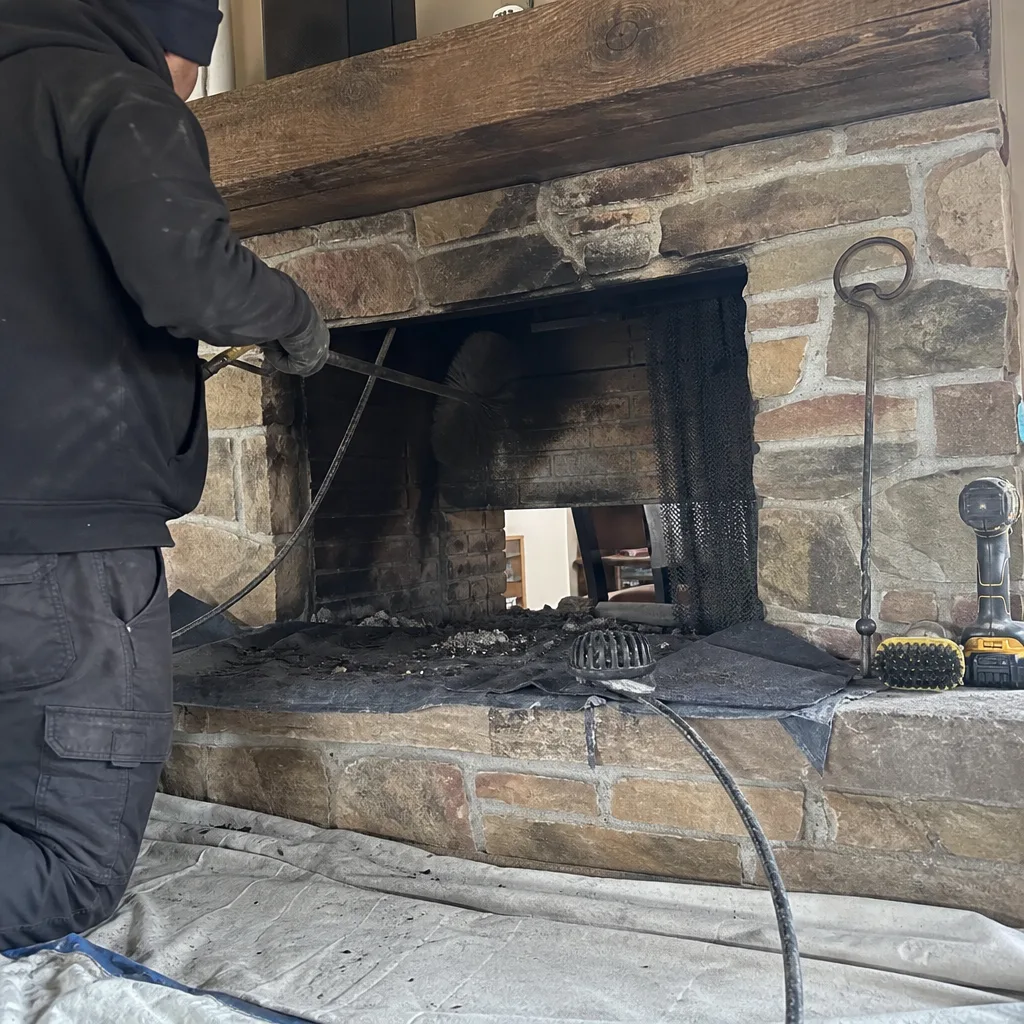 Before
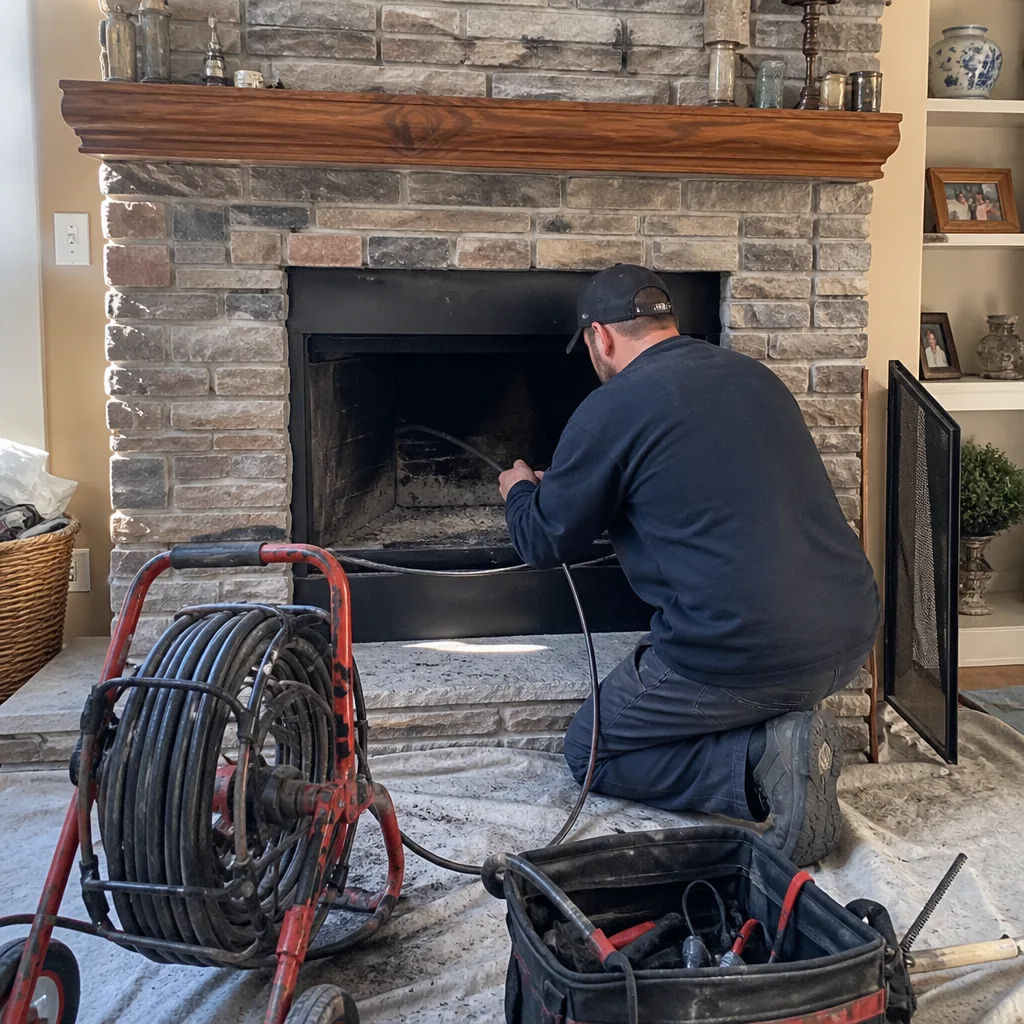 After
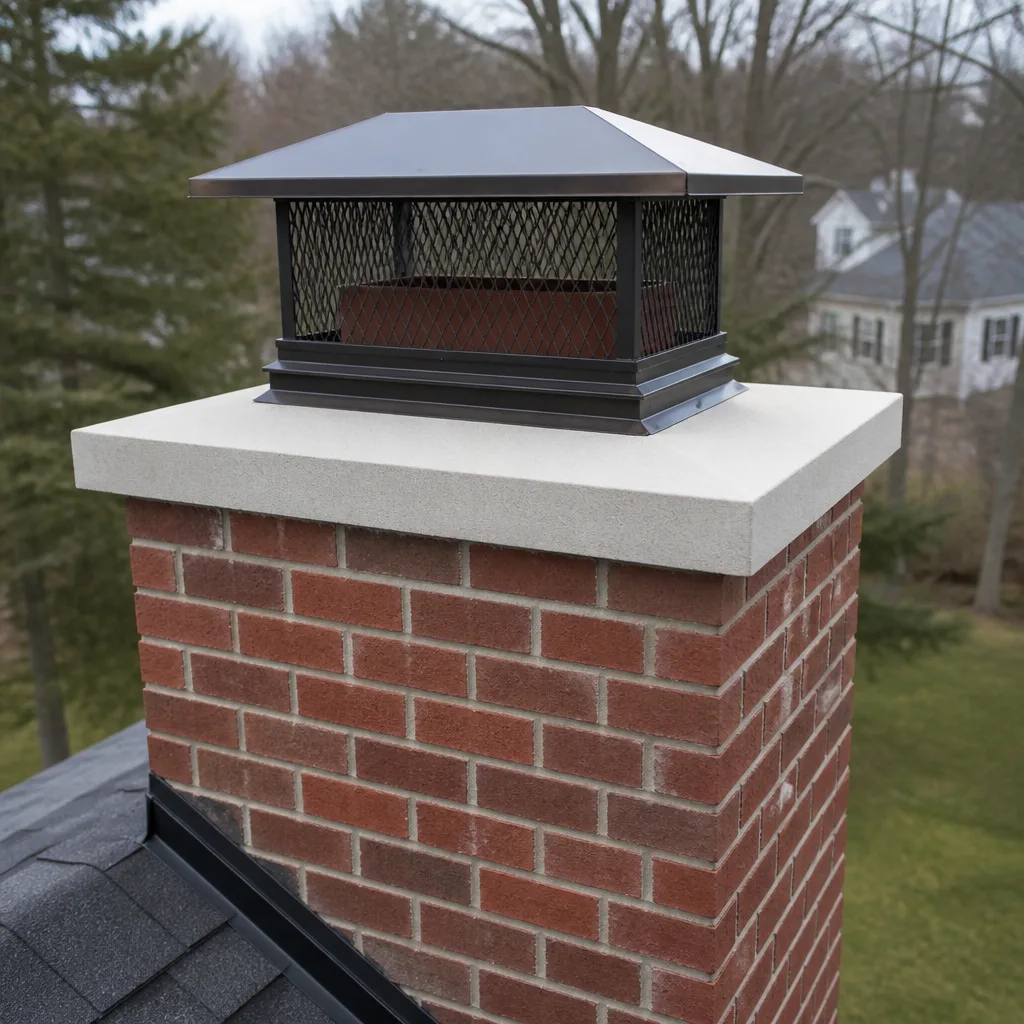
After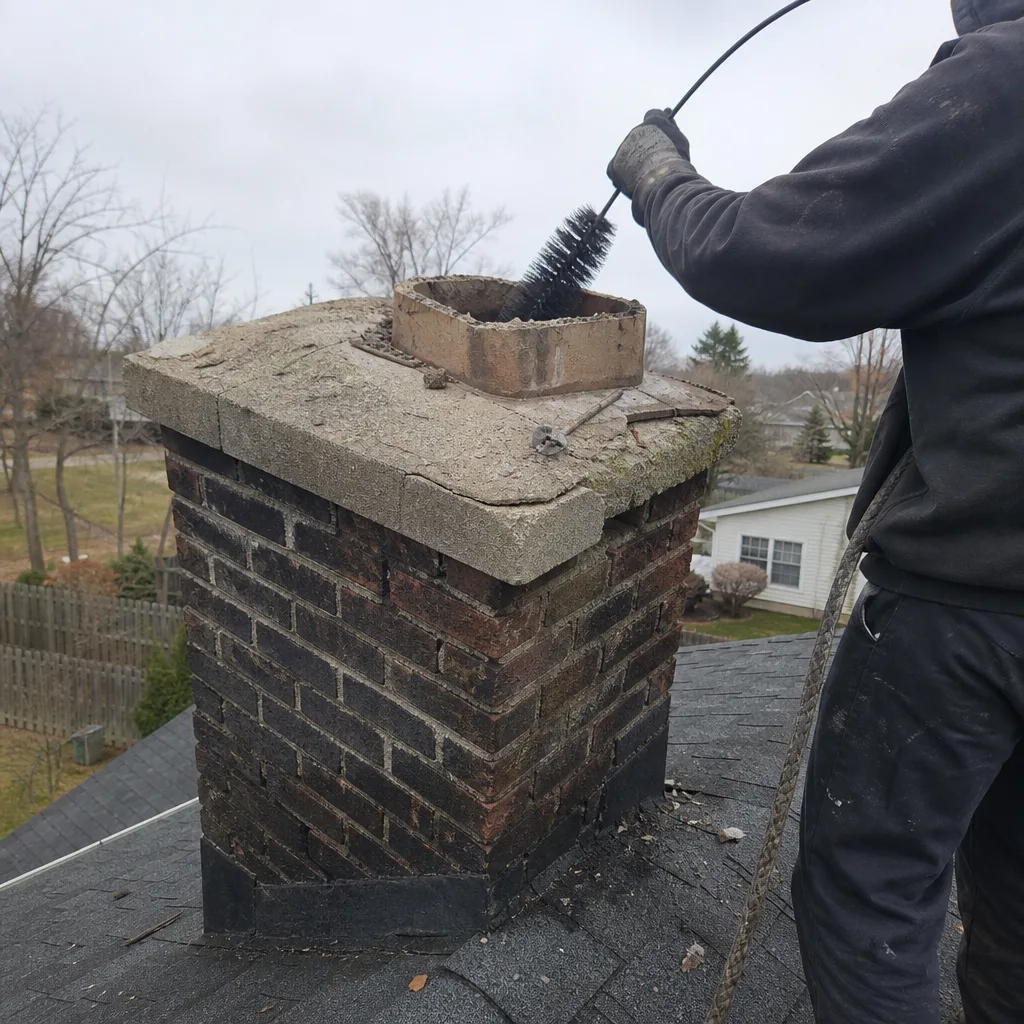 Before
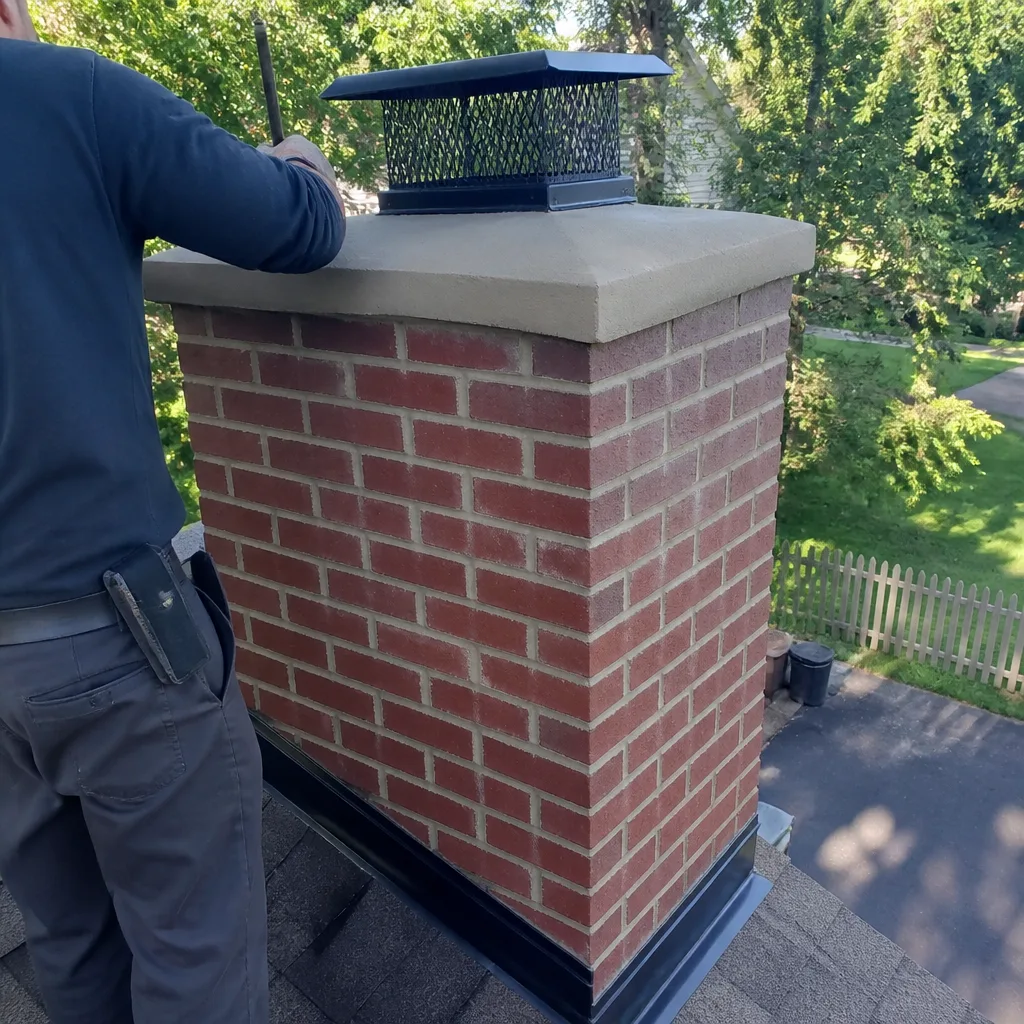 After
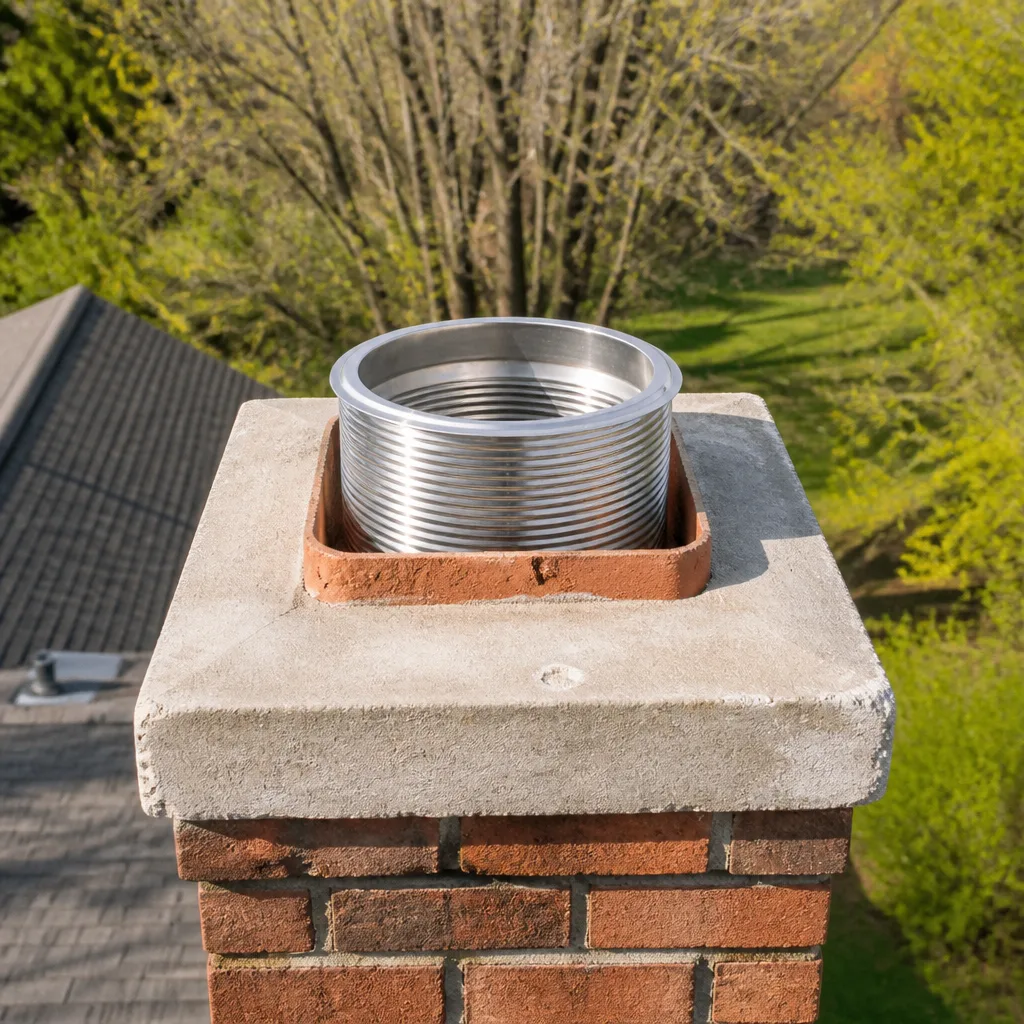
After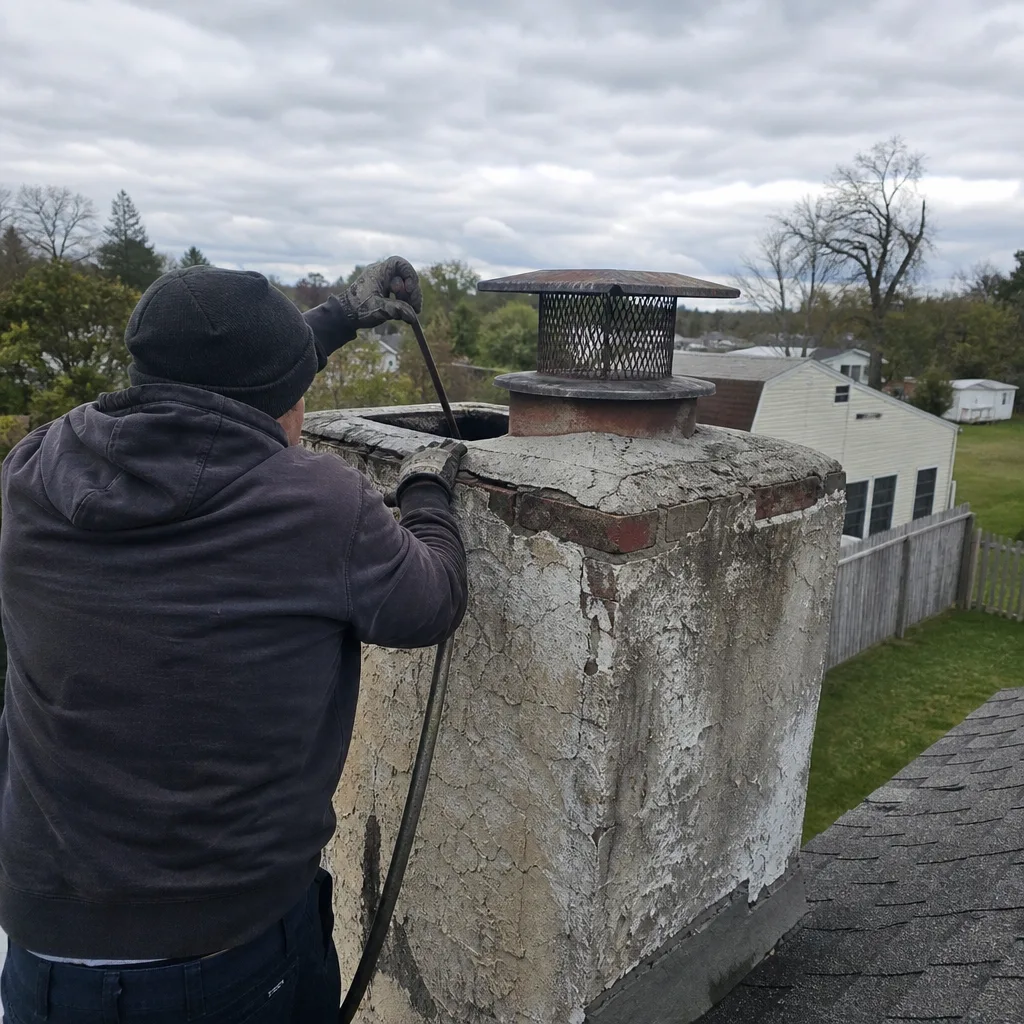 Before
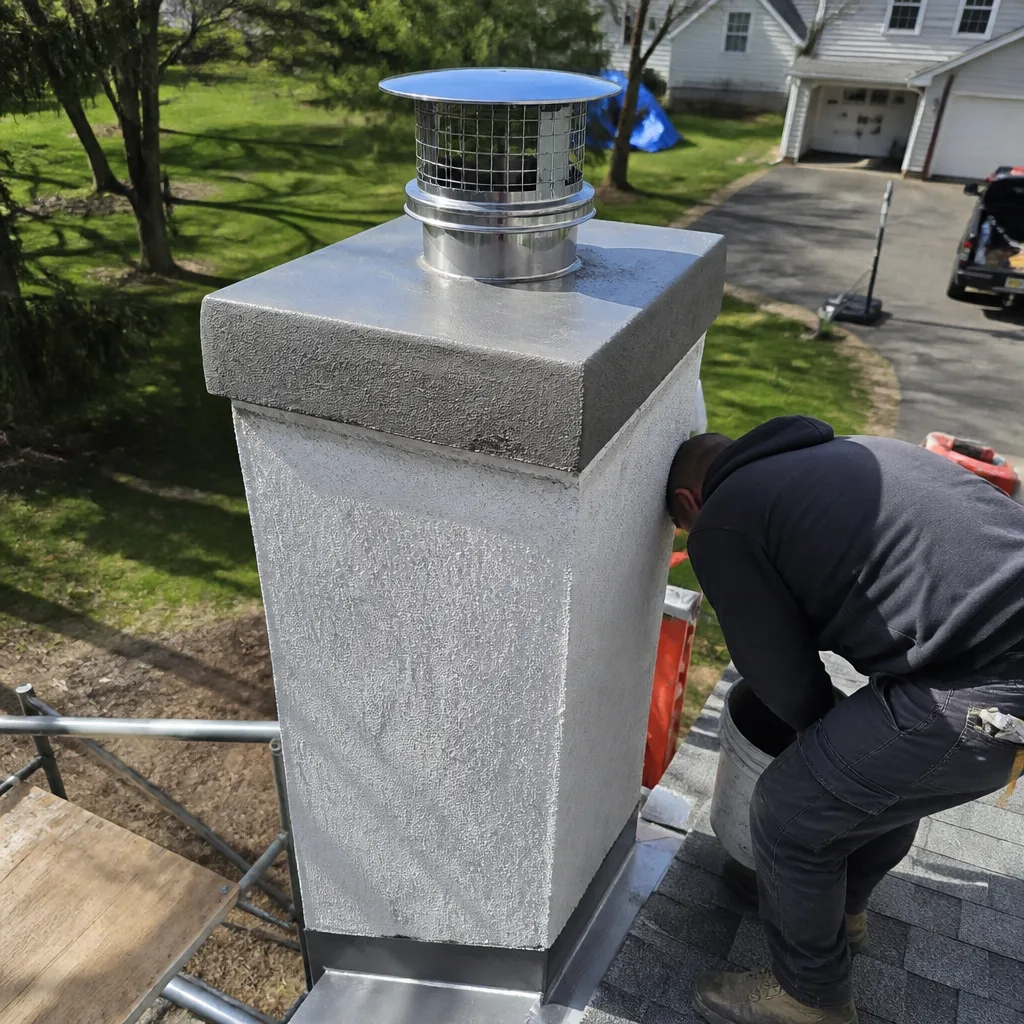 After
AfterFast, Reliable Chimney Liner & Rebuild Across Fountain Hill
Chimney liner and rebuild work in Fountain Hill, PA typically runs $1,800 to $6,500 depending on whether we’re relining a single flue or rebuilding a shared rowhouse stack. Most jobs in the borough take one to three days once we’re on site, and we quote a firm price before a single tool comes off the truck. Wendell Pike founded Top Hat Chimney in 1999, and he’s crawled through more Fountain Hill flues than he can count. The houses here were built for coal, and that fact shapes nearly every liner job we do. Call (484) 603-6713 and a live person answers, day or night.
Why Top Hat Chimney Is Fountain Hill’s Preferred Chimney Liner & Rebuild Company
Fountain Hill is a tight, dense borough. Rows of attached brick twins from the 1890s to the 1930s, narrow streets, shared chimney stacks. Wendell and his crew know the difference between a single-family chimney on Seneca Street and a shared double-flue stack on Delaware Avenue, because they’ve been inside both. Ask anyone on your street. The work here isn’t a template job. When a liner fails in a rowhouse, the question is whether the neighbor’s flue is involved. That’s the local knowledge that matters, and it comes from doing the work in Fountain Hill for years, not from a training video.
We carry a 90-Day Done Right Promise in writing on every job. If it isn’t right, one call brings us back at no charge. Prices are quoted upfront, before work begins. The number you hear on the phone is the number on the invoice. Seniors and veterans get 10% off, always. If you have a written estimate from another company, bring it to us for a free second opinion. That’s how we’ve worked since 1999, and in a borough where word travels fast, it’s the only way that makes sense.
Our Chimney Liner & Rebuild Services in Fountain Hill
Most Chimney Liner & Rebuild work we do in Fountain Hill falls into a few categories. Here’s what they mean for your house specifically.
Stainless Steel Liner
A stainless steel liner is the right fix for most Fountain Hill rowhouses, especially the ones built between 1895 and 1935. The original flues were often unlined or had thin clay tiles that have since spalled and cracked. We run an insulated stainless liner from the appliance or firebox up to the crown, which handles the cooler, more corrosive exhaust from modern gas and oil furnaces far better than the original clay ever did. For attached homes, we size the liner to the exact BTU load of the appliance, not a guess.

Flexible Liner
Flexible liners make sense in Fountain Hill because so many of the flues here have offsets, bends, or decades of soot and debris that make rigid pipe difficult or impossible. We often use Copperfield or DuraFlex flexible stainless liners to navigate the irregularities in older masonry without tearing open walls. In a shared stack, the flexibility also lets us isolate one flue properly while leaving the neighbor’s side untouched, which is critical when a full rebuild isn’t in the budget.

Liner Replacement
If your Fountain Hill chimney still has its original clay tile liner, chances are it’s failing. The coal-to-gas conversion that happened in most of these houses decades ago introduced cooler, more acidic exhaust that condenses on clay and flakes it apart. We remove the old tile, clean the flue down to sound masonry, and install a modern liner sized for what’s actually venting now. In rowhouses, we always camera-inspect the shared wythe for cracks that could let gas migrate between units.

Partial Rebuild
A partial rebuild in Fountain Hill usually means rebuilding the smoke chamber, replacing damaged flue tile sections, or reconstructing the crown and upper courses of brick that have spalled from freeze-thaw cycles. The hillside elevation above the Lehigh River creates wind eddies that hammer the ridge-facing sides of chimneys, and we see crowns cracked wide open on that side more than anywhere else. A partial rebuild stops water intrusion at the source and gives the new liner a sound structure to live in.

What happens when you call
- 1
A real person answersNo phone trees - you reach a local pro.
- 2
You get an upfront price rangeHonest numbers before anyone is dispatched.
- 3
A background-checked tech heads outLicensed & insured, dispatched right away.
- 4
You approve before work beginsNothing starts until you say go.
Trusted Brands We Service in Fountain Hill
We install and service liners from DuraFlex, Copperfield, Olympia Chimney, and Famco, and over the years we’ve learned which products hold up best in Fountain Hill’s specific housing stock. For most 1920s rowhouses, Copperfield flexible stainless is our go-to for relining existing flues. Olympia Chimney components work well when we’re rebuilding crowns and caps on shared stacks. We keep the parts we use most in our trucks, so a liner replacement on a Fountain Hill job doesn’t turn into a two-week wait for shipping.
Common Chimney Liner & Rebuild Problems We See in Fountain Hill Homes
- Shared-flue cross-contamination. Cracked mortar between adjacent flues in attached rowhouses lets carbon monoxide or combustion byproducts seep into the neighbor’s flue or living space. We’ve found CO at party walls where the homeowner had no idea anything was wrong.
- Clay tile spalling from coal-to-gas conversion. Cooler gas exhaust condenses on old clay liners, causing flaking and blockages. On hillside blocks with wind-driven downdrafts, the resulting draft failure pushes smoke back into living rooms.
- Crown and flashing deterioration at shared parapet walls. Decades of Lehigh Valley freeze-thaw cycles crack crowns on tightly spaced rowhouse stacks. Water seeps into the masonry core, accelerates liner collapse, and the damage is invisible from the street.
- Unlined or partially lined flues in attached twins. Many Fountain Hill twins were built with unlined flues that were never properly relined when furnaces were upgraded. These flues erode quickly, and in a shared stack, the erosion affects both units.
Pricing for Chimney Liner & Rebuild in Fountain Hill, PA
A single-flue stainless steel liner replacement in Fountain Hill typically runs $1,800 to $3,200, including removal of the old clay tile and a camera inspection. Flexible liner jobs fall in the same range. A partial rebuild, which might include a new crown and the top six to eight courses of brick, usually lands between $2,500 and $4,500. A full shared-stack rebuild on an attached rowhouse, where we’re working on two or more flues in one masonry structure, starts around $4,000 and can reach $6,500 or more depending on access and how much masonry needs to come down. The camera footage and a plain-English verdict come with every job, no exceptions. If the recommendation is a liner, you’ll see why before you spend a dollar. Call (484) 603-6713 for a free estimate, or bring in a competing written quote for a free second opinion.
We Also Serve Cities Near Fountain Hill
Beyond our Chimney Liner & Rebuild in Fountain Hill work, Wendell and his crew regularly take on liner and rebuild jobs in Quakertown, Milford, Telford, and Franconia. The housing stock changes a bit once you leave the borough, but the same 90-Day Done Right Promise and upfront pricing go with us.
Serving Fountain Hill, PA - Our Local Coverage Area
We’re based in the Fountain Hill area and know this community well. Use the map below to see our service coverage - if you’re nearby, we can almost certainly help.
FAQs - Chimney Liner & Rebuild in Fountain Hill
You usually can’t, not from the ground. The signs are subtle: a neighbor mentions a smoky smell in their unit, your furnace drafts poorly when the wind blows from the ridge side, or you hear debris falling inside the chimney. If your home is attached, a failing clay liner in your flue can crack the common masonry wythe, and gases can migrate laterally into the flue on the other side. We use a Level 2 camera inspection to see exactly what’s happening inside the shared stack, including the condition of the mortar between flues. It’s the only way to know for sure, and we recommend it on every Fountain Hill rowhouse before a liner job starts. Call (484) 603-6713 to schedule one.
Usually yes. That’s the reality of attached housing. If the chimney stack is shared, rebuilding the crown or upper masonry almost always touches both sides of the stack, so we’ll need to coordinate with your neighbor and, in many cases, access their roof. Wendell handles that conversation directly, and he’s done it hundreds of times. The work happens with a signed agreement that protects both units, and the pricing is split fairly according to what each side needs. If your neighbor isn’t interested, we can sometimes phase the work, but a half-rebuilt shared crown still leaks, so we’ll tell you plainly if that’s a bad idea. Call (484) 603-6713 and we’ll walk you through how it works on your block.
An insulated stainless steel liner, usually in a flexible configuration, is the right choice for nearly all pre-1935 Fountain Hill chimneys. The original clay tiles, if any were installed at all, were meant for hot coal exhaust. Modern gas and oil furnaces burn cooler and produce acidic condensation that erodes clay quickly. We typically recommend Copperfield or DuraFlex flexible stainless liners sized to your appliance’s BTU output and insulated to keep the flue gas warm enough to draft properly on Fountain Hill’s hillside. The liner handles the temperature swings and corrosion far better than the original masonry, and it isolates your flue from the neighbor’s side of a shared stack. Call (484) 603-6713 for a camera inspection and a recommendation based on what your flue actually looks like.
It can stop new water from getting in, but it won’t reverse damage that’s already happened. A cracked crown lets rain and snowmelt soak into the masonry core, and in Fountain Hill’s freeze-thaw winters, that water expands and contracts, spalling bricks and cracking clay tiles. Replacing the crown and adding a proper cap stops further water intrusion, which protects whatever liner is in there now and keeps the masonry sound. But if your liner already has cracks from years of moisture, a cap won’t fix that. We’ll camera-inspect before recommending anything, so you’re not paying for a crown when what you really need is a liner, or the other way around. Call (484) 603-6713 to get eyes on it.
Because the liner isn’t just about the fireplace. In most Fountain Hill rowhouses, the same flue or an adjacent one vents your furnace or water heater, and those appliances run far more often than your fireplace ever will. A cracked clay liner leaks combustion gases into the masonry and potentially into your living space or a neighbor’s, even when you never light a fire. The occasional fireplace use is actually a bigger deal in an attached home than in a detached one, because the shared masonry means a problem in your flue can become a problem next door. Occasional use doesn’t protect the liner from freeze-thaw damage or the effects of corrosive gas exhaust. It just means a failure is less likely to be caught early. Call (484) 603-6713 and we’ll inspect it before it becomes an emergency.
Call Top Hat Chimney for Chimney Liner & Rebuild in Fountain Hill
If you live in Fountain Hill, your chimney was likely built before 1935, for a fuel it no longer burns. That’s not a scare tactic. It’s the reason we camera-inspect every flue before recommending a liner or rebuild, and the reason we won’t sell you a rebuild when a liner will do. Wendell Pike puts his name on the work and runs into you again at the grocery store. That’s not a warranty. It’s just what it means to be local. Call (484) 603-6713 for a free estimate, a free second opinion on any written quote, and a camera inspection that shows you exactly what’s going on inside your chimney.
Written by Wendell Pike, Owner at Top Hat Chimney, serving Fountain Hill and the surrounding Lehigh Valley since 1999.