
Last updated September 10, 2026
Level 1 sweep and inspection to the NFPA 211 annual standard - flue, crown, cap, and flashing checked and photographed
Chimney sweep logs do not sweep chimneys. They loosen some creosote - which then falls where a brush and vacuum still have to collect it.
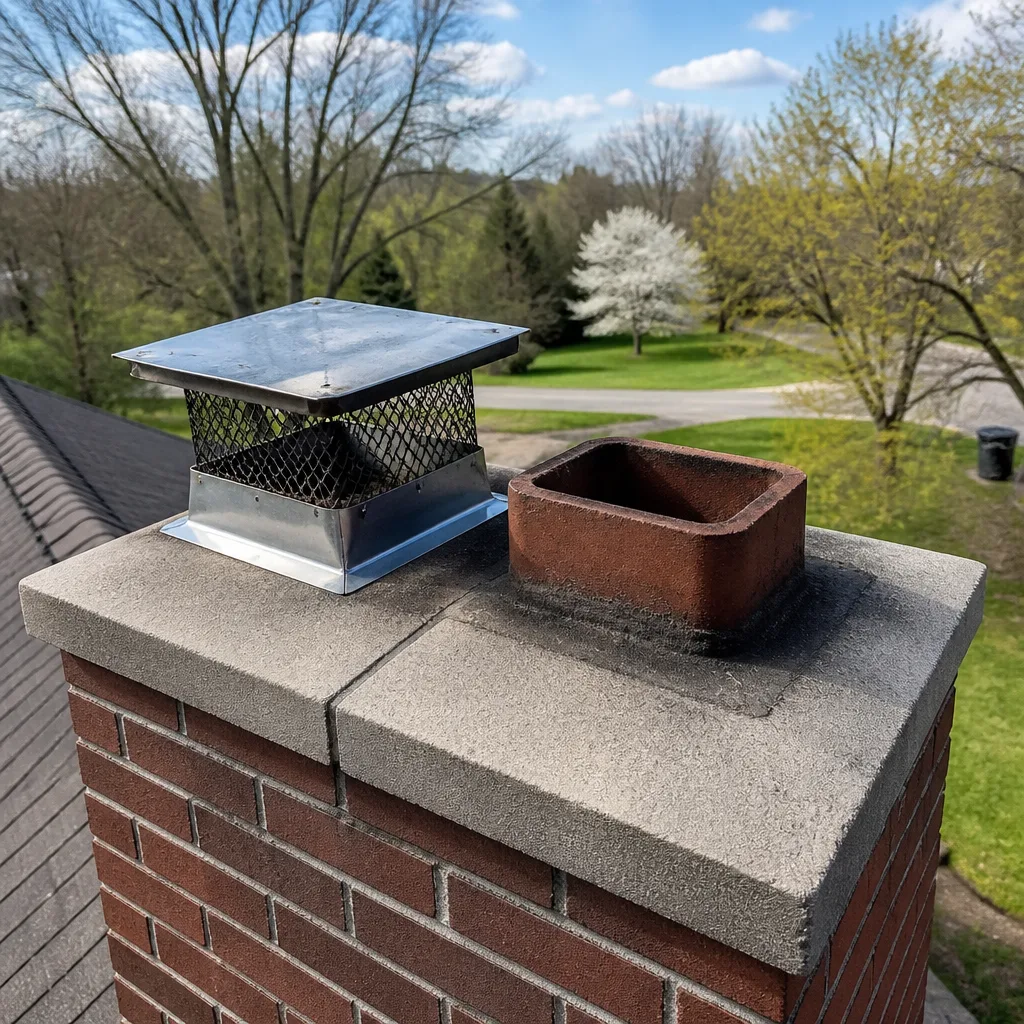
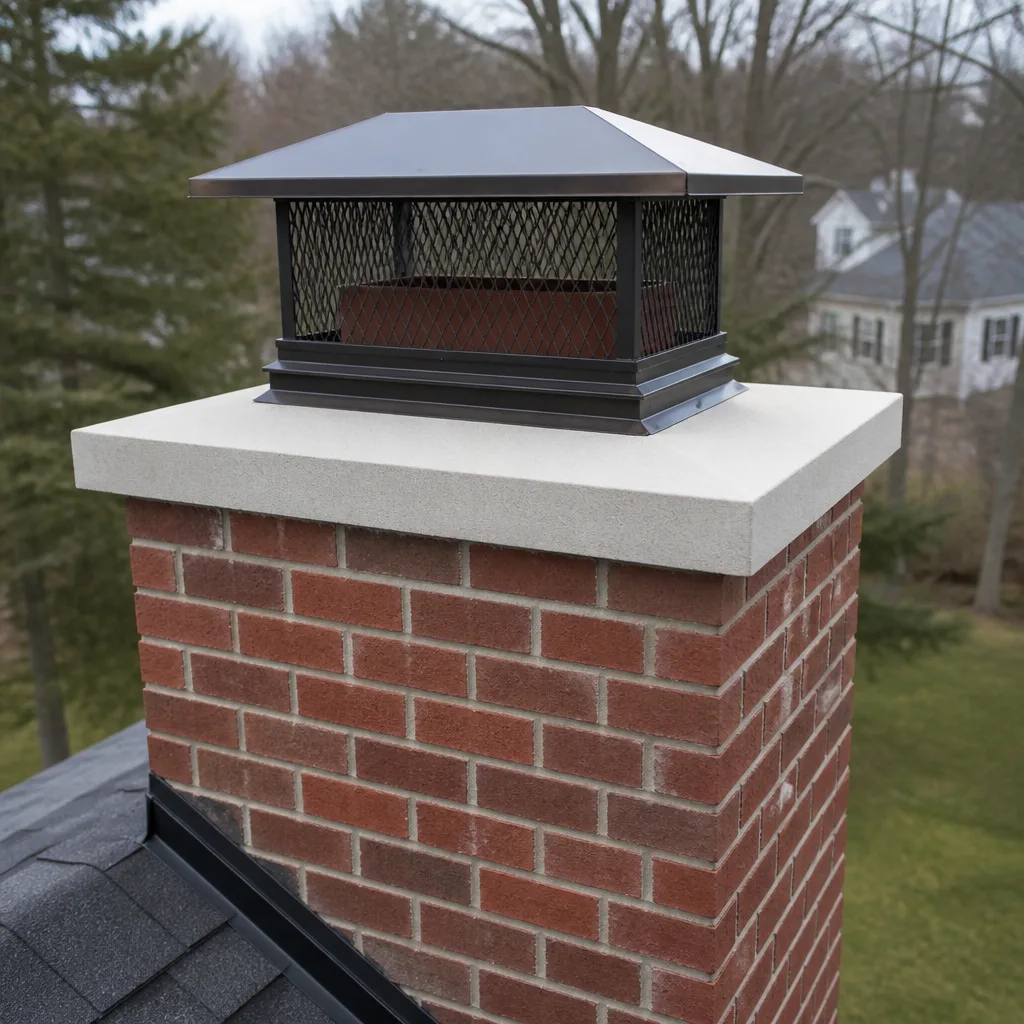
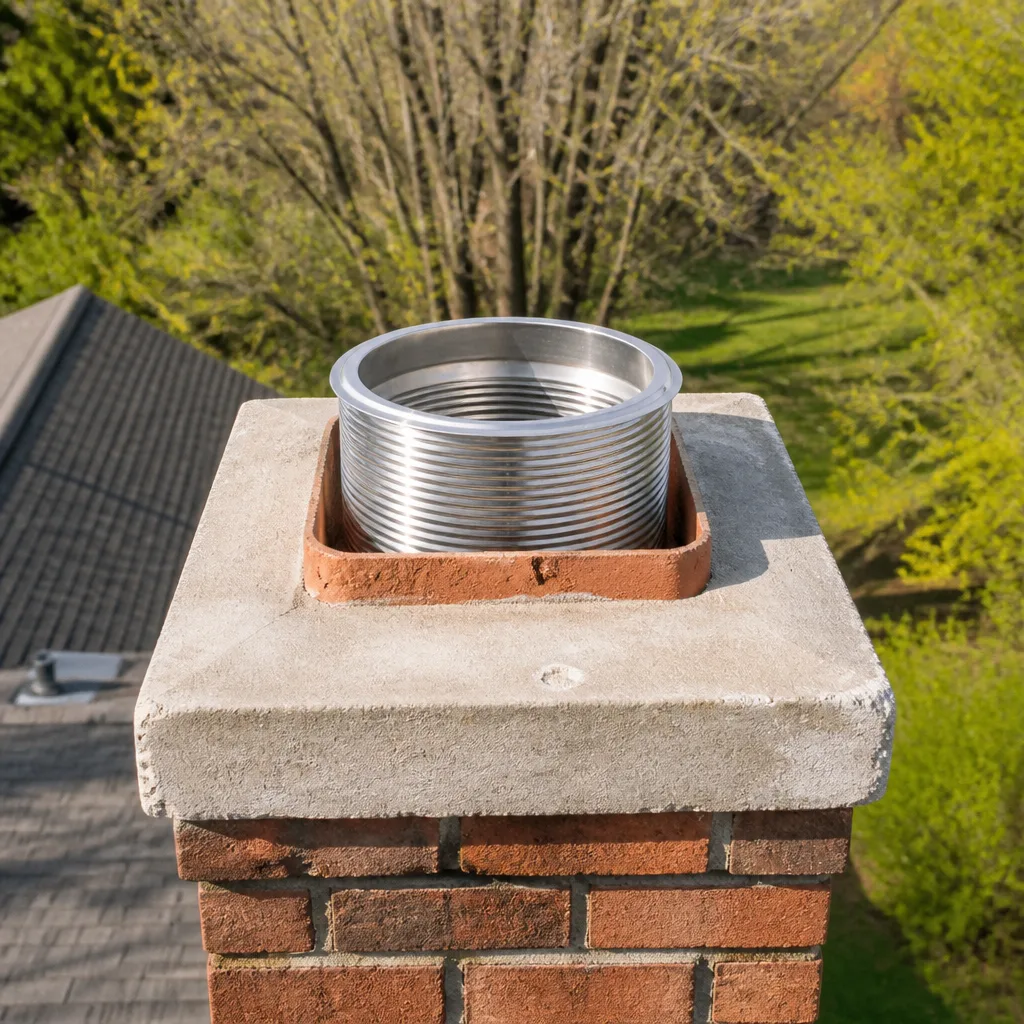
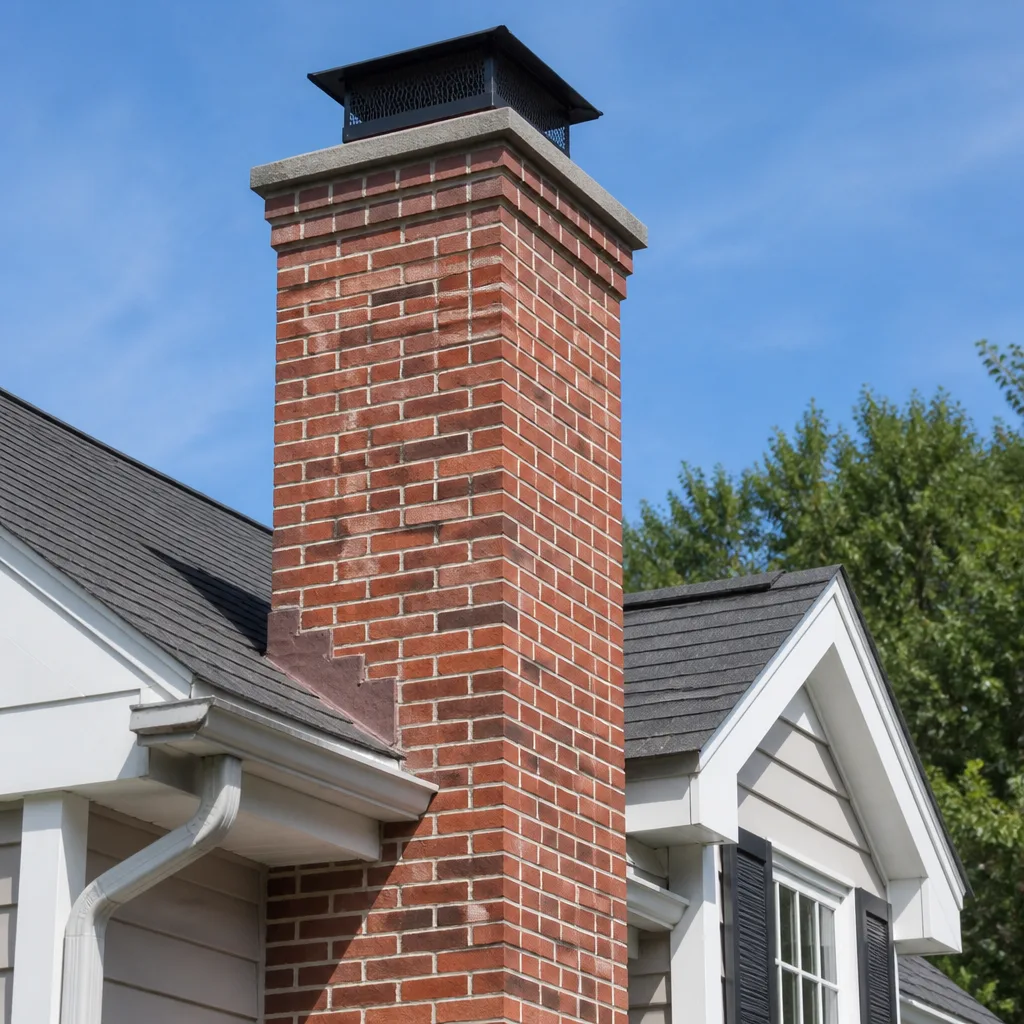
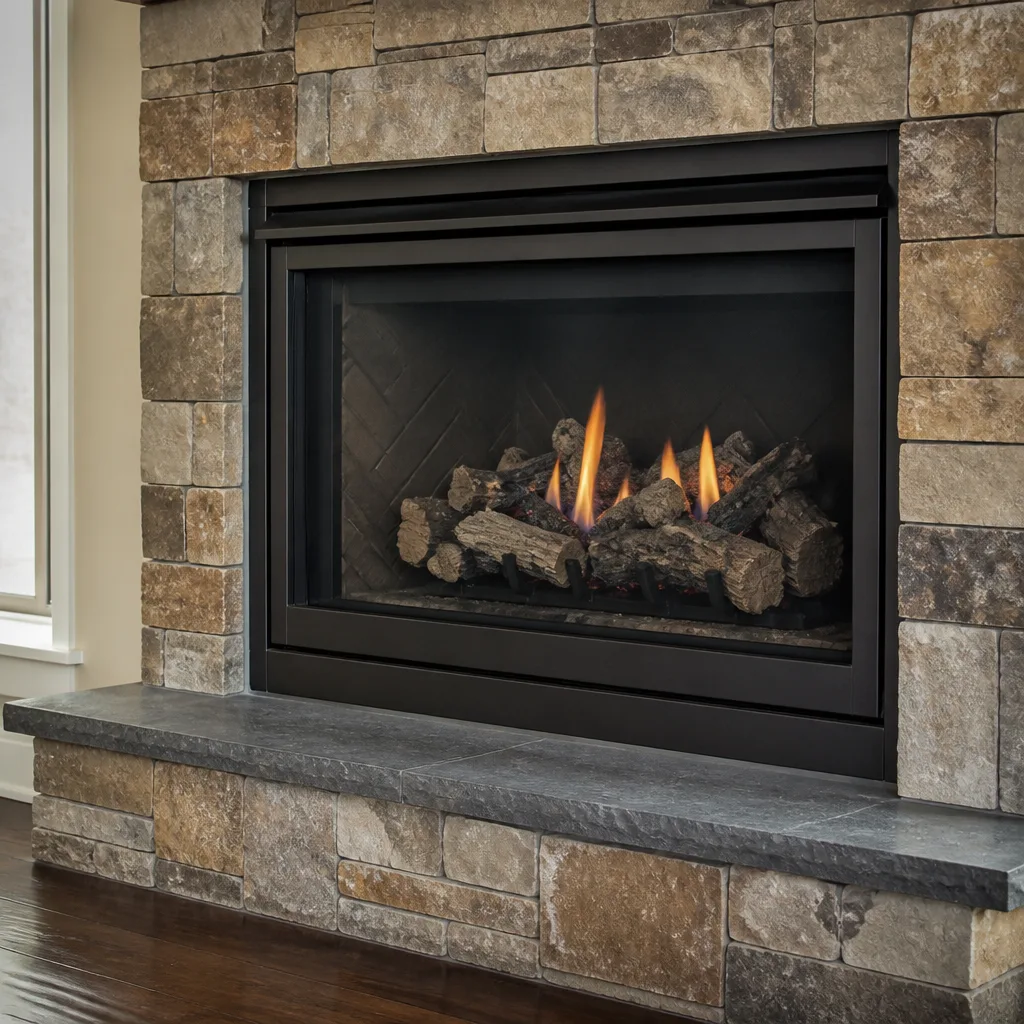
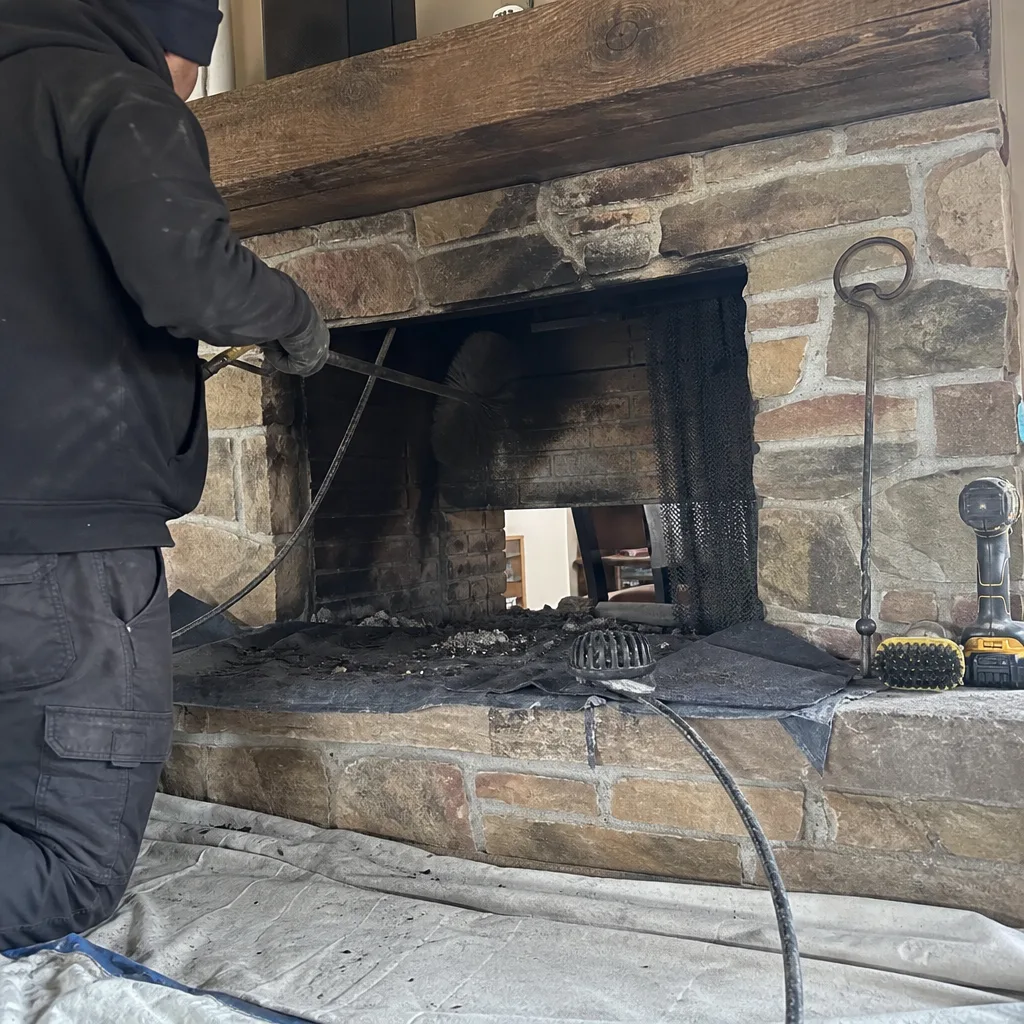 Before
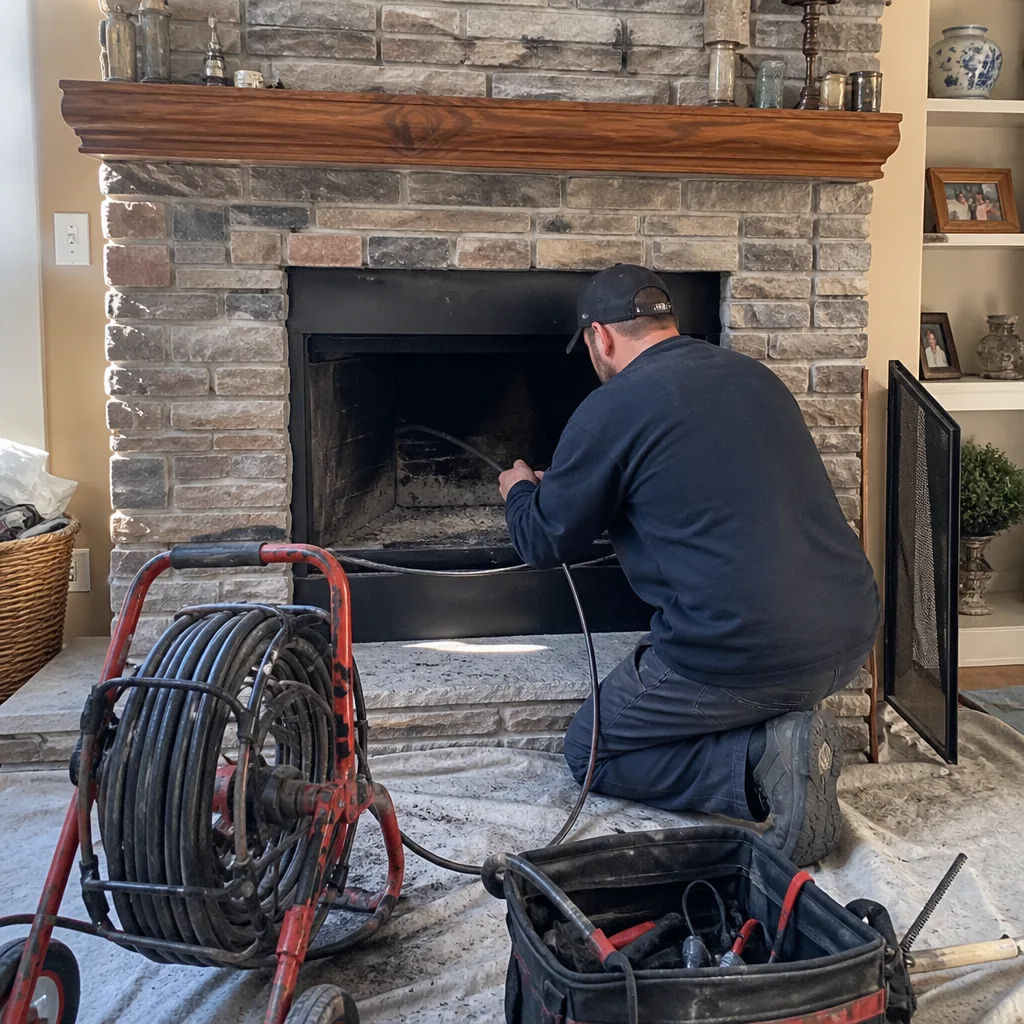 After
After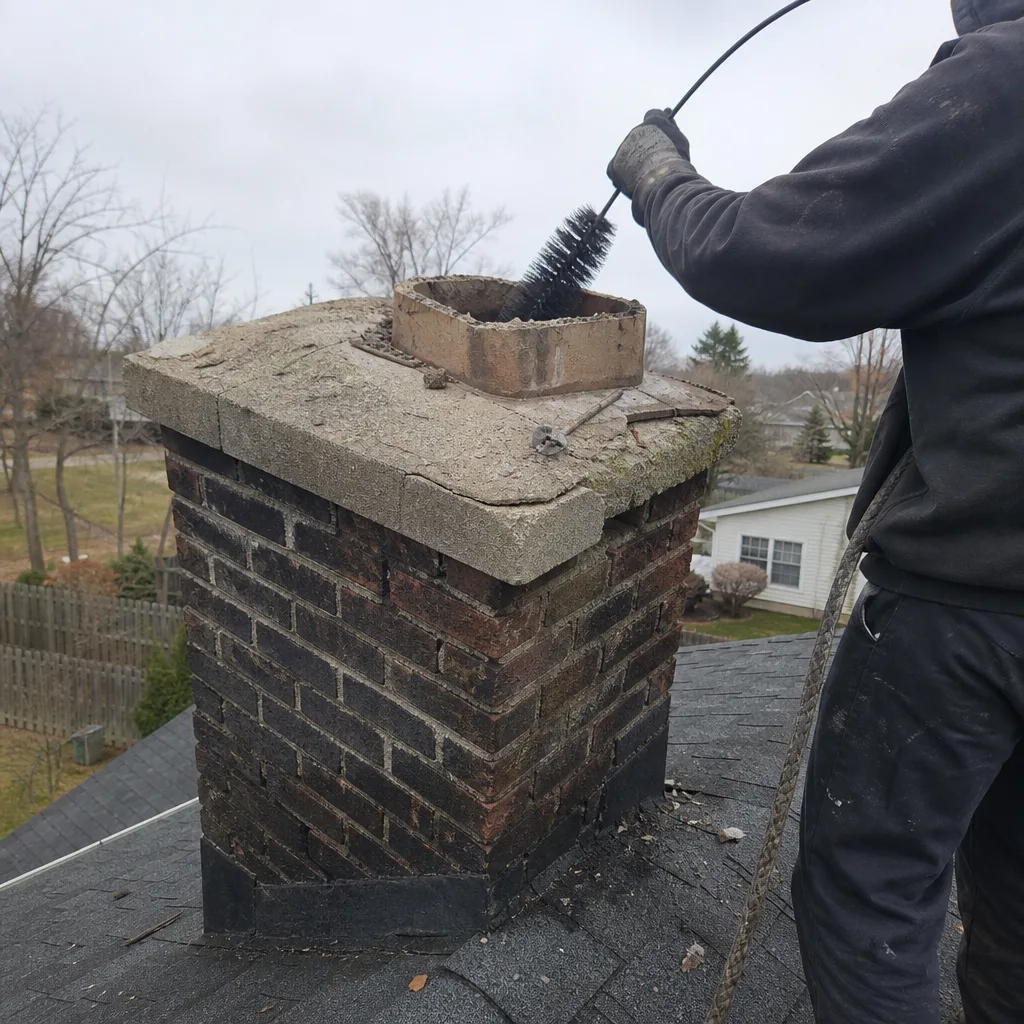 Before
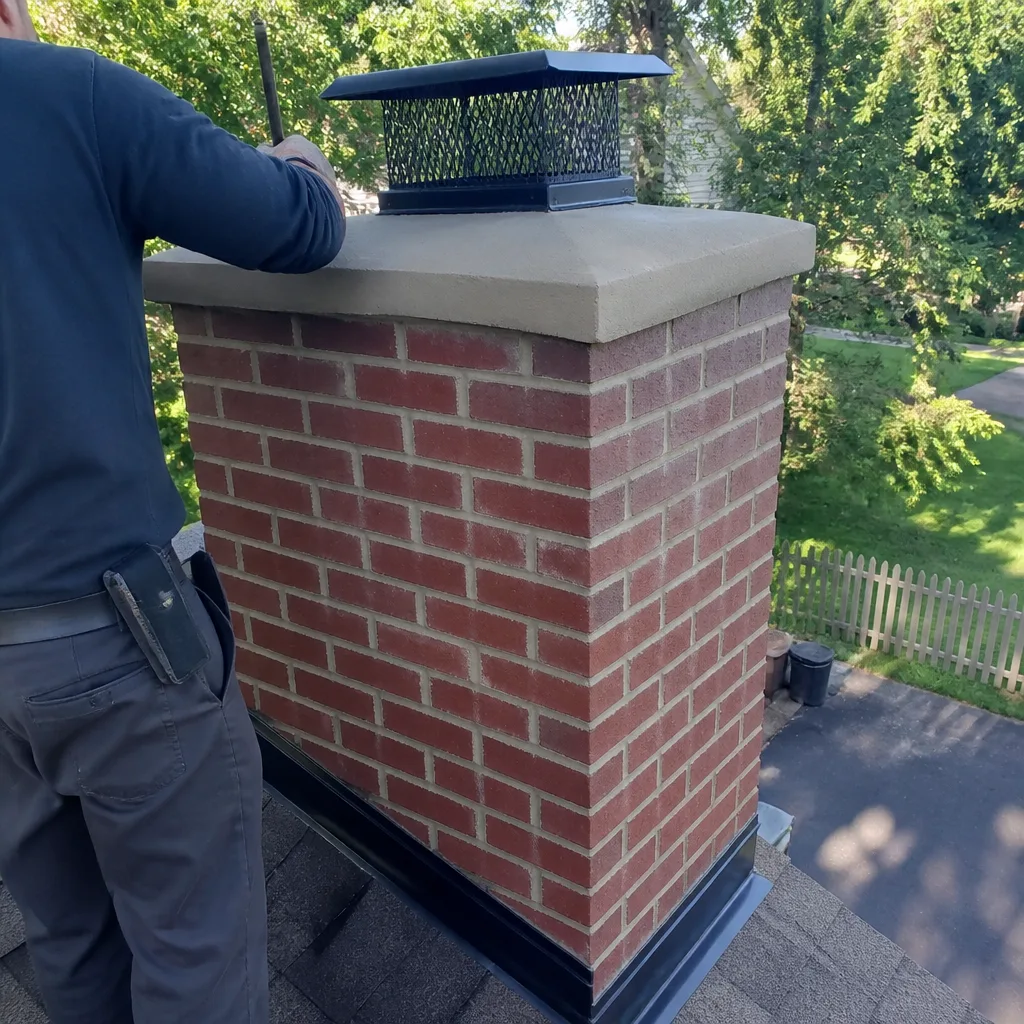 After
After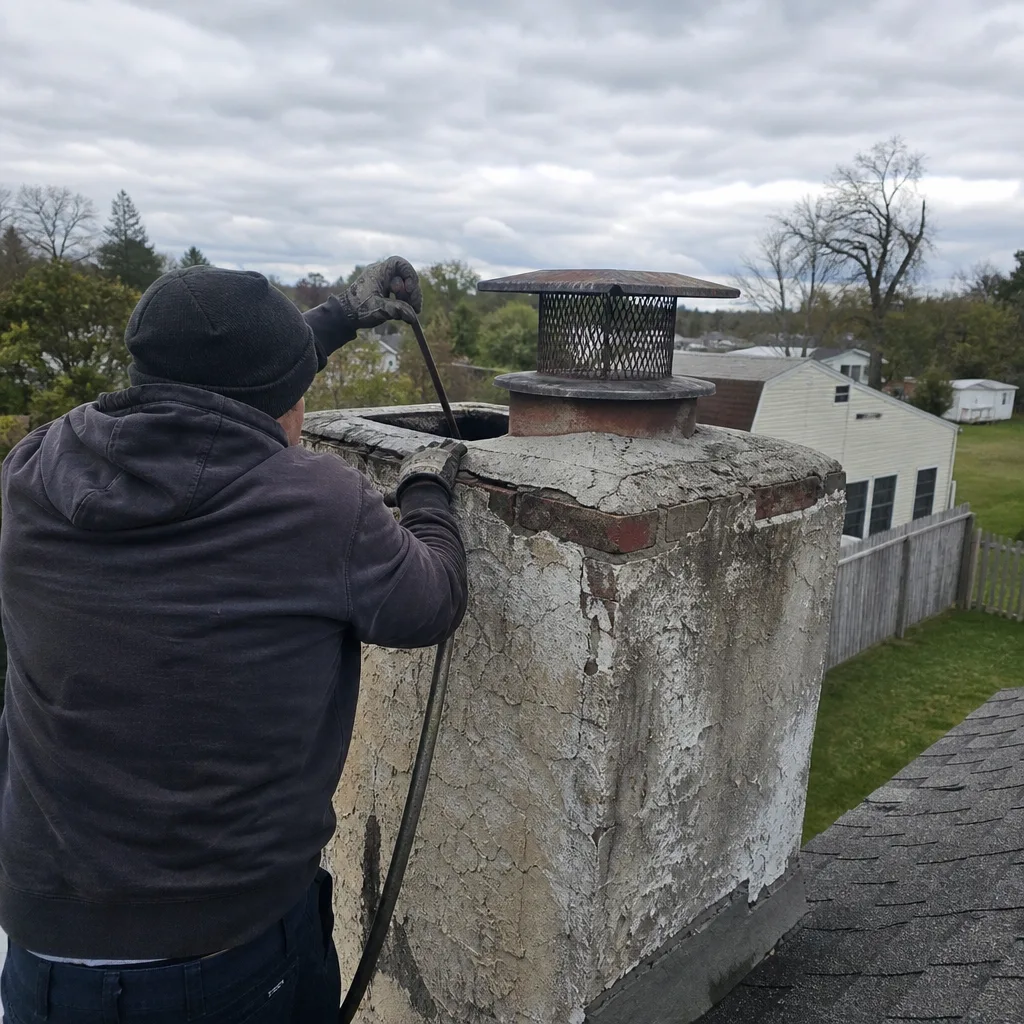 Before
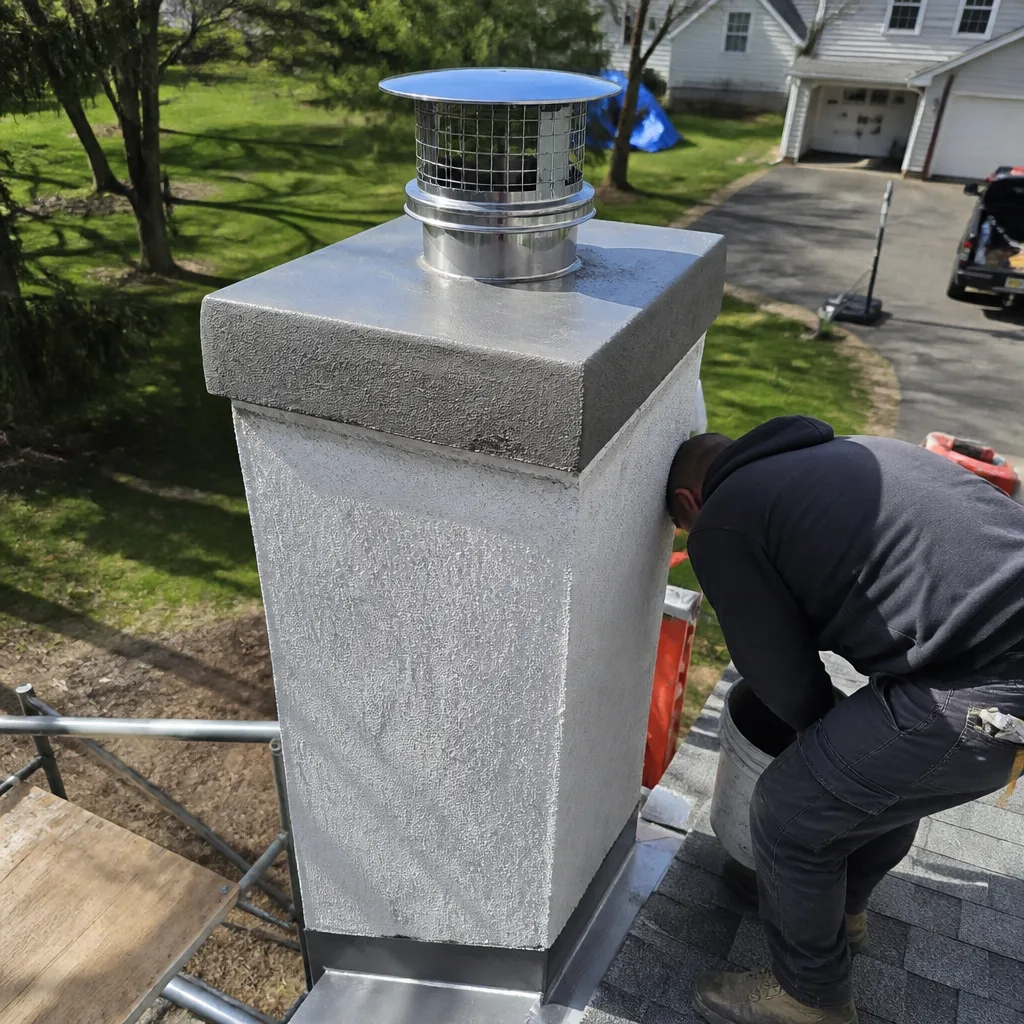 After
AfterThe Complete Guide to Chimney Cleaning in Quakertown
Here’s something most chimney guides won’t tell you: the creosote in your Quakertown flue is not the same creosote they talk about on national websites. Bucks County sits in a pocket where fall and spring bring damp, cool nights that make fires burn lazy and smoke linger longer in the chimney. That means a homeowner burning mixed hardwood off Route 309 can see creosote build up roughly 20% faster in October and April than the national averages those generic checklists quote. This guide is written for that homeowner, and you can find more guides & resources on our blog. By the time you finish it, you’ll know what’s actually inside your chimney, how often it needs attention here specifically, what a real sweep should do while he’s on your roof, and how to tell if you got the job you paid for. Let’s get into it.
Quick Answer
Chimney cleaning in Quakertown, PA typically costs between $180 and $340 for a standard Level 1 sweep and inspection of an open fireplace, and you should have it done once a year even if you barely burn. That yearly visit is the cheapest insurance against a chimney fire or a cracked liner you can’t see from the ground. A proper cleaning includes brushing the full flue, inspecting the firebox, damper, cap, and crown, and handing you camera footage or a written report of what was found.
Table of Contents
- Why Quakertown Chimneys Are Different
- What You’re Burning Matters More Than You Think
- The Three Degrees of Creosote: What’s Actually Coating Your Flue
- How Often Should You Really Sweep? The Local Answer
- Level 1 vs Level 2 Inspections: What Each One Actually Includes
- How to Read the Report You Should Be Getting
- Old Homes, Converted Fireplaces, and Gas Inserts: What “Cleaning” Means for You
- What Chimney Cleaning Costs in Quakertown
Why Quakertown Chimneys Are Different
Quakertown and the townships around it, Richland, Milford, Haycock, Springfield, are full of houses built between 1955 and 1985. Split-levels, ranchers, and colonials with masonry chimneys that have been through forty or fifty Pennsylvania winters. Those chimneys were built for wood, then many of them got oil burners or gas furnaces vented into them in the 70s and 80s, and now a lot of them are back to wood or converted to gas inserts. That history matters.
When an oil furnace vents into a masonry flue, it produces sulfur compounds that eat at the mortar joints from the inside. We’ve pulled chimney liners out of homes near Quakertown’s downtown that looked fine from the crown but were sandcastle-soft halfway down, all because an oil burner spent twenty years exhaling into the clay tiles. Then when a new owner puts a wood stove back on that same flue, the defects become a fire risk, not just a draft problem.
Bucks County’s freeze-thaw cycle does its part too. Water gets into the crown, freezes, expands, and spalls the concrete. By late winter, the crown has cracks wide enough to fit a quarter in. Spring rains run down those cracks, soak into the brick, and by the time you light the first fire in October, that moisture has turned to steam inside the masonry, and the flue tiles are flaking. In Quakertown, the season you didn’t burn is often the season your chimney got damaged. That’s why the local rule is: sweep and inspect once a year, burn or no burn. The Top Hat Chimney home page has more on how we approach that yearly visit, but the short version is that the inspection matters as much as the brushing.
What You’re Burning Matters More Than You Think
Drive through any part of Upper Bucks in September and you’ll see the cordwood signs go up: oak, maple, cherry, sometimes hickory, stacked in front yards along Route 309 and 212. Oak is the headline seller around here, and for good reason. It’s dense, burns long, and throws real heat. But here’s the thing about oak: it needs seasoning. A freshly split oak log can be 35 to 45 percent moisture. Burn it at that number and you’re not heating your house, you’re boiling water.
That unseasoned wood makes a smoky, cool fire. The smoke carries unburned wood particles up into your flue, and because the flue temperature is lower than it should be, those particles condense on the walls instead of burning off. That’s creosote. A cord of green oak burned through one winter can put more creosote in a flue than three seasons of properly dried hardwood.
Here’s how to test your own wood. Take a split log from the middle of the stack, not the top, and knock two pieces together. Dry wood rings, green wood thuds. Look at the end grain: dry oak shows cracks running out from the center like a pie cut too many times. And get a moisture meter, the kind with two pins, at any hardware store for about $30. Push it into a split face. You want under 20 percent. Most firewood sold at Quakertown-area stands was cut the same year it’s sold. Stack it off the ground, cover the top, and wait another six to twelve months. Your chimney will thank you, and so will the person who cleans it.
The Three Degrees of Creosote: What’s Actually Coating Your Flue
The word “creosote” gets thrown around like it’s one substance. It isn’t. Sweeps talk about three degrees, and knowing which one is in your flue tells you what has to happen next. Wendell puts it plainly: first-degree creosote is a brush job. Third-degree is a glaze. Catch it early.
First-Degree Creosote
This is a fine, flaky, sooty dust that clings to the flue walls. It brushes off with standard sweeping rods and a wire brush. If this is what we find, you’re done in an hour. This is what a healthy chimney that burns seasoned wood looks like after a normal season.
Second-Degree Creosote
Now you’re looking at shiny, hard flakes that look like black cornflakes stuck to the tile. A brush alone won’t get all of it. We may need to run the rods a second time, use a rotary whip, and take a bit longer. Second-degree is common after a winter of mixed wood or a stove that got damped down too much. It means your fires have been running cooler than they should.
Third-Degree Creosote
Third-degree is a tar-like glaze that can seal a flue up like a candle factory. It’s concentrated fuel. If a chimney fire starts, this is what burns, and it burns like a jet engine when it goes. A brush will skate right over third degree. Removing it requires chemical treatments, rotary equipment with chains or a whip head, and sometimes more than one visit. In Quakertown, we see third-degree most often in two situations: wood stoves that burn unseasoned oak, and fireplaces that were never swept after an oil-to-wood conversion left years of residue behind. Chimney Cleaning & Sweep in Quakertown goes into how we handle each degree, but the takeaway is this: the degree you have determines the job, and the price should reflect it honestly.
How Often Should You Really Sweep? The Local Answer
The NFPA 211 standard says chimneys, fireplaces, and vents should be inspected “at least once a year” and cleaned when needed. That’s the floor. It is not a formula. A formula would account for what you burn, how much, in what appliance, and in what weather. In Quakertown, the weather is the variable most guides ignore.
Bucks County’s shoulder seasons, October, November, and again in March and April, are cool and damp. You light a fire in the evening, you’re tired, the fire burns low, the flue never gets hot enough to push the smoke out cleanly. Every one of those low, slow burns lays down a thin coat of creosote. Stack up forty of those nights in a season and you’ve got real buildup, even if you only burned “once in a while.”
Here’s a working rule from our own service records in the Quakertown area:
- Open fireplace, seasoned hardwood, weekend use only: annual inspection, cleaning every 1 to 2 years.
- Wood stove as primary heat source, burning local oak: sweep at the start of every season, inspect again mid-winter if you’re burning daily.
- Gas insert or gas fireplace: still inspect annually. Gas logs still produce soot, and the vent still needs a look. We’ll get to that.
- Oil furnace venting into the masonry flue: this is a different animal. Have the flue inspected with a camera at least once every two years. The acid attack is real.
- Any fireplace in a house you just bought: before the first fire, no exceptions. You have no idea what the previous owner burned or when it was last touched.
Ask anyone on your street how often they get their chimney swept, and you’ll get five answers. Some will say never. That’s the house that shows up in the fire department’s winter call log. Don’t be that house. For a full breakdown of what each season demands, see our Seasonal Chimney Cleaning Care for Quakertown: Year-Round Homeowner’s Guide.
Level 1 vs Level 2 Inspections: What Each One Actually Includes
Every legitimate chimney sweep works to the same standard: the NFPA’s three levels of inspection. You don’t need to memorize the code, but you should know what you’re paying for. The difference between a Level 1 and Level 2 inspection is the difference between a look and a real look.
Level 1 Inspection
- The sweep inspects all readily accessible portions of the chimney exterior and interior.
- He checks the accessible portions of the appliance and the chimney connection.
- He verifies the flue is free of obstruction and combustible deposits.
- He checks basic clearances from combustibles where visible.
- He runs a brush or rotary cleaning through the full length of the flue.
A Level 1 is what should happen during your annual sweep. It takes between 45 minutes and an hour and a half. If a sweep is in and out in twenty minutes, you didn’t get a Level 1.
Level 2 Inspection
- Everything in a Level 1.
- A scan of the entire flue interior with a video camera, from the firebox to the cap.
- Inspection of the attic, crawlspace, and basement where the chimney passes through.
- Examination of the exterior masonry, crown, and cap for water damage and spalling.
- Documentation of all findings, usually with still images pulled from the camera footage.
A Level 2 is required when you change the appliance, buy a house, after a chimney fire, or after a lightning strike or seismic event. It is also just a smart idea if the chimney hasn’t been touched in a decade. Around Quakertown, with all the homes changing hands and fireplaces being converted, we do a lot of Level 2 inspections. The camera shows what a brush can’t. A cracked tile halfway down, a missing mortar joint behind the wall, an old bird’s nest packed into the smoke chamber. On a Chimney Repair in Quakertown call, the camera footage and a plain-English verdict are what we hand over every time, no exceptions.
How to Read the Report You Should Be Getting
A professional sweep hands you something when he climbs down off the roof. If you don’t get a written report, or at minimum a verbal walkthrough backed by photos, you didn’t get what you paid for. Here’s what a useful report includes and what it means.
The flue condition: are there cracks, spalling tiles, or missing joints? The report should say where they are and what they mean. “Flue tile cracked at 12 feet above firebox” is worth something. “Some wear noted” is not.
Creosote degree: first, second, or third, and where it was heaviest. This tells you how to burn going forward.
Cap and crown condition: is the cap still attached? Is the crown cracked or letting water behind the brick? In Quakertown’s freeze-thaw cycles, this is where the trouble starts, and it’s cheaper to re-seal a crown than rebuild a chimney.
Damper function: does it open and close fully? Is it warped? A stuck damper is a $200 fix that becomes a $1,000 problem when the fire backs up smoke because you couldn’t get the flue open.
Clearances and framing: if the chimney passes through a closet or the attic, are there combustibles too close? This is code, not opinion, and it’s the kind of thing that shows up in an insurance claim.
If your sweep hands you a receipt that just says “brushed flue,” ask for more. You paid for an inspection. You should leave the house knowing exactly what’s above your head. Wendell and his crew write it down because memory fades, but a real report will tell you, two years from now, whether that crack was already there or if it moved.
Old Homes, Converted Fireplaces, and Gas Inserts: What “Cleaning” Means for You
Quakertown has a lot of houses that were built for wood heat, then converted to oil or gas at some point, and now have a gas insert sitting in the old masonry hearth. Each one of those setups needs a different kind of attention, and “chimney cleaning” does not mean the same thing for all of them.
The oil-converted fireplace: if your house had an oil burner vented through the masonry flue, and now the flue has been reconnected to a wood fireplace or stove, that flue has a history. Oil exhaust is acidic, and it weakens mortar. Before you light a wood fire in a converted flue, you want a Level 2 camera inspection. Not a quick glance up the flue with a flashlight, a camera. We’ve found flues in Richland and Milford townships where the mortar was so far gone you could push a tile out with a broom handle. The oil furnace didn’t care. Your wood fire will.
The gas insert in a masonry fireplace: gas burns cleaner than wood, but not clean. Gas logs produce soot, and that soot clings to the panel walls and the blower. If the flame is yellow and lazy instead of blue and sharp, you have incomplete combustion, and you’re making more soot. A gas insert should be serviced annually: the burners cleaned, the logs checked for carbon buildup, the vent inspected at the top where birds and wasps like to build anyway. Get the insert out, brush the old flue behind it if there is one, and put it back right.
The pre-fab fireplace: those metal fireplaces from the 1980s and 90s with the air-cooled pipe chase were supposed to be maintenance-light, and they aren’t. The sheet-metal pipe rusts, the chase caps leak, and the refractory panels crack. When a pre-fab fails, it fails fast, and the fire is now being contained by a metal box that lost its lining. If you have one of these in Quakertown and haven’t had it looked at since the Bush administration, this is the year.
Whatever setup you have, there’s a right product for the repair. We work with Fireplace Services in Quakertown parts and liners from brands like Olympia Chimney, Copperfield, and DuraFlex because they hold up to the way Bucks County winters swing from freeze to thaw and back. The brand matters less than the fact that someone who knows your chimney picked the right one for it.
What Chimney Cleaning Costs in Quakertown
Chimney cleaning prices in Quakertown are straightforward when you know what you’re comparing. A standard Level 1 sweep and inspection for an open fireplace runs $180 to $280 in this market. Add a Level 2 camera inspection and you’re looking at $300 to $500 depending on the height of the chimney and what’s found. Wood stove inserts fall in the same range. Gas fireplaces and inserts run $150 to $250 for a full service. If a quote comes in at $79 with a free “21-point safety check,” you’re about to be sold a liner you may not need. The low price is the fishing pole.
Here’s the pricing breakdown in plain terms:
- Standard Level 1 sweep and inspection (open fireplace): $180-$280
- Level 2 camera inspection (add-on or standalone): $150-$300
- Wood stove sweep and inspection: $180-$280
- Gas fireplace or insert service: $150-$250
- Third-degree creosote removal: $300-$600, depends on severity and chemical time
- Chimney cap replacement: $150-$400 installed
- Crown sealing: $250-$600 depending on chase type and material
These are ranges, not promises. Any sweep who gives you a hard number without seeing the chimney is guessing, and the guess usually goes up when the technician arrives. Top Hat Chimney gives you the price before a tool comes off the truck, and the number on the invoice matches the number on the phone. If you have a written estimate from another company, bring it in, and Wendell will give you a free second opinion on whether the work is really needed, or if you can safely wait. If you’re still weighing options, our DIY vs Professional Chimney Cleaning: The Quakertown Homeowner’s Decision Guide lays out the real risks. That’s not a sales tactic. Plenty of recommendations from a camera report are “keep an eye on it and call me in two years.” A good sweep tells you when the job does not need doing yet.
Common Mistakes to Avoid
- Waiting for the smell. By the time you smell creosote in the living room in July, the flue is badly loaded. The annual sweep catches it before it announces itself.
- Burning the Christmas tree or construction scraps. Pine and spruce are full of resin that vaporizes into fast, hard creosote. Drywall and plywood glues produce corrosive byproducts. Fireplace wood is hardwood. Period.
- Closing the damper on a warm day because of the draft smell. A downdraft smell in summer means the flue is dirty or the cap is wrong, not that the damper should be shut. Fix the flue, don’t mask it.
- Trusting the $79 sweep-and-check coupon. That price cannot cover a real brushing and a real inspection. It covers the trip, and the rest gets invented on-site. In Quakertown, the national chains run this play every fall.
- Skipping the inspection because the chimney “looks fine from the ground.” What you can see from the lawn is about a third of what matters. The flue interior, the smoke chamber, the attic chase, none of that is visible from the curb.
- Ignoring the gas fireplace because it’s not wood. Gas appliances still vent, still soot, still leak carbon monoxide when the vent degrades. Clean wood or clean gas, the annual rule applies.
- Waiting until November to call. Everyone in Upper Bucks calls in October. The seasoned wood is in, the first cold night hits, and the phone rings. Call in July or August, before the rush. You’ll get the slot you want, and the sweep won’t be racing a daylight clock.
When to Call a Professional
Call a professional if you see a black, shiny glaze inside your flue when you shine a light up from the firebox. Call if you notice white staining on the exterior brick, which means water is moving through the masonry. Call if the damper won’t open or close, if the fire smokes into the room, if you hear birds or scratching in the flue, or if you just bought the house and no one can tell you when the chimney was last touched. And call if the fire burns but the room never gets warm, that’s a flue that’s not pulling right. Top Hat Chimney offers free estimates in Quakertown, call (484) 603-6713, and a live person answers, around the clock, not a voicemail box and not a call center. Wendell may well be the one on the line.
Frequently Asked Questions
A standard Level 1 sweep and inspection in Quakertown runs $180 to $280 for an open fireplace, with Level 2 camera inspections adding $150 to $300. The price depends on chimney height, creosote degree, and what’s found. Call (484) 603-6713 for an exact quote, estimates are free.
Once a year, no matter how little you burn. Quakertown’s damp shoulder seasons cause creosote to build up faster than the national average, and water damage happens in the off-season even when the fireplace sits cold.
Not always, and you should never agree to one without seeing the camera footage yourself. A legitimate sweep shows you the cracked tile or missing joint before recommending a liner. If the flue is sound apart from light surface creosote, no liner is needed. If someone recommends one without putting a camera up first, that’s a sales call, not a diagnosis.
Creosote builds until it either blocks the flue, which pushes smoke and carbon monoxide into the house, or ignites. A chimney fire can reach 2,000 degrees, enough to crack tiles, warp dampers, and spread fire into the attic through a compromised chase. The cost of a sweep is a rounding error compared to either one.
You can sweep out first-degree soot with a brush from the hardware store, but you cannot inspect the flue interior from inside the firebox, and you can’t tell whether the mortar joints are intact or the crown is leaking. What you save with a DIY brush job, you lose by missing the problem that the brush didn’t reach. This is a roof job, and a fall off a Bucks County roof costs a lot more than a sweep. Call (484) 603-6713 and let someone who’s been on a thousand roofs do it.
A sweep is the physical brushing of the flue. An inspection is the assessment of the chimney’s structural and fire-safety condition, using visual examination and sometimes a camera. A proper annual visit includes both. Any company that charges separately for a “basic sweep” without looking at anything is selling you half the job.
The Bottom Line
In Quakertown, chimney cleaning is not a once-in-a-while chore, and it’s not a sales pitch with a brush attached. It’s a yearly check on the one system in your house that carries fire on purpose. The local weather, the local wood, and the age of Bucks County’s housing stock all push creosote buildup faster than the national averages, and the freeze-thaw cycle works on your crown every winter whether you burn or not. Burn seasoned hardwood, get a real inspection once a year, read the report you’re handed, and call a sweep before November. If you want a straight answer about what your chimney actually needs, Top Hat Chimney will give it to you over the phone, free, at (484) 603-6713.
Written by Wendell Pike, Owner at Top Hat Chimney, serving Quakertown since 1999.