
Last updated September 10, 2026
Level 1 sweep and inspection to the NFPA 211 annual standard - flue, crown, cap, and flashing checked and photographed
Chimney sweep logs do not sweep chimneys. They loosen some creosote - which then falls where a brush and vacuum still have to collect it.
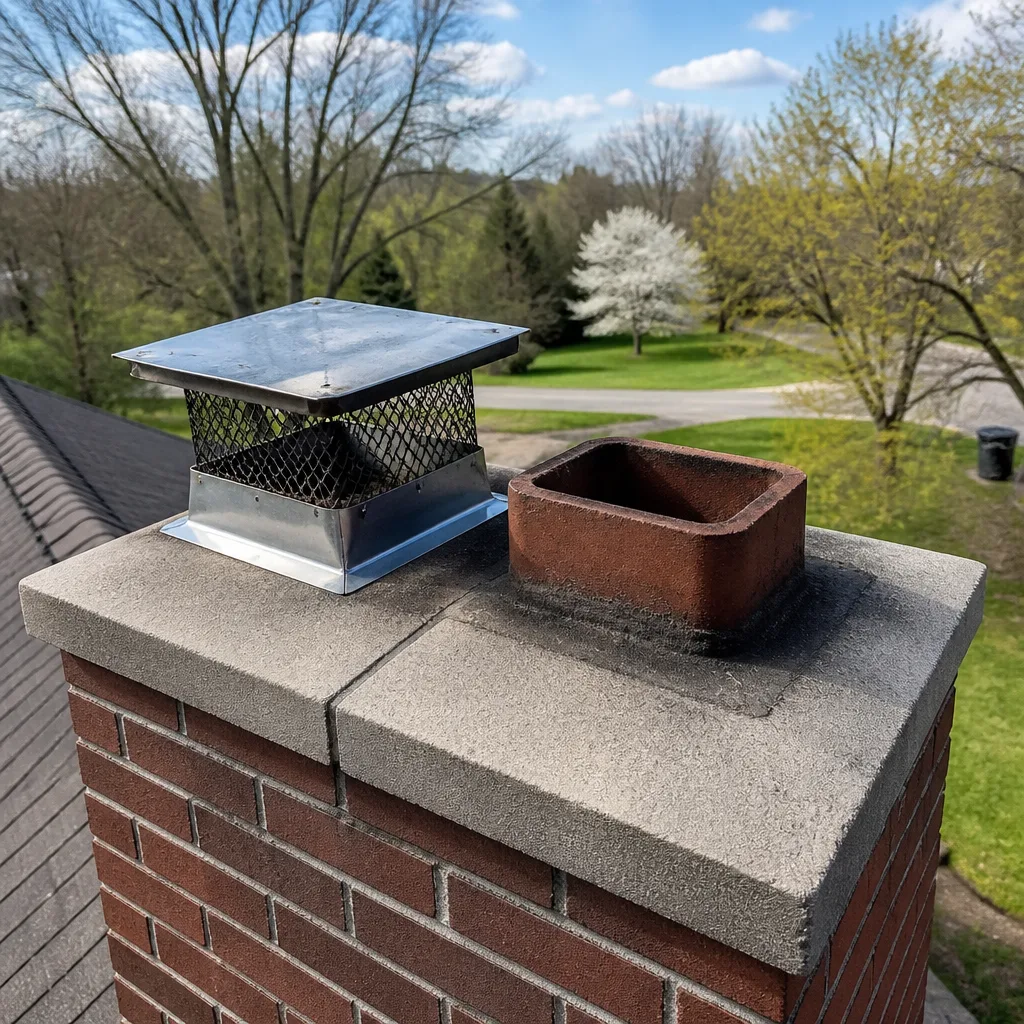
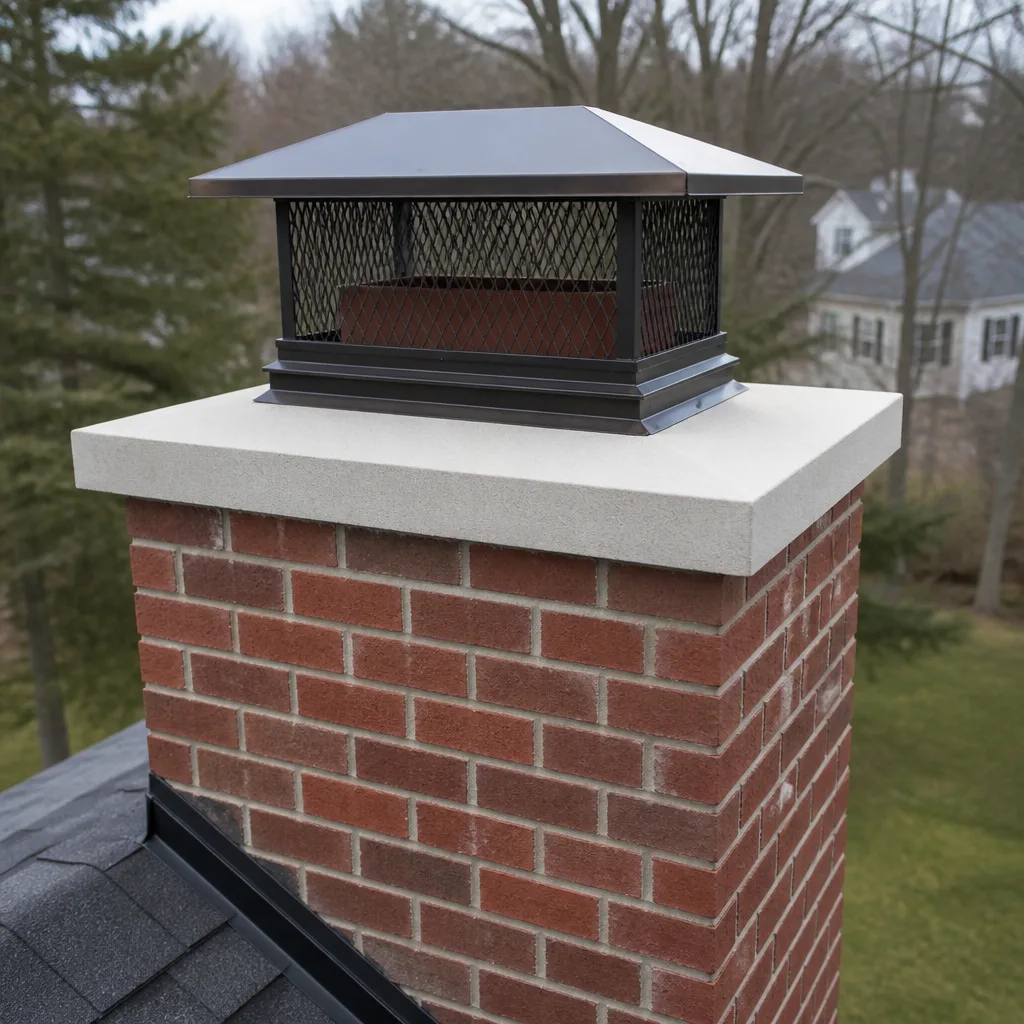
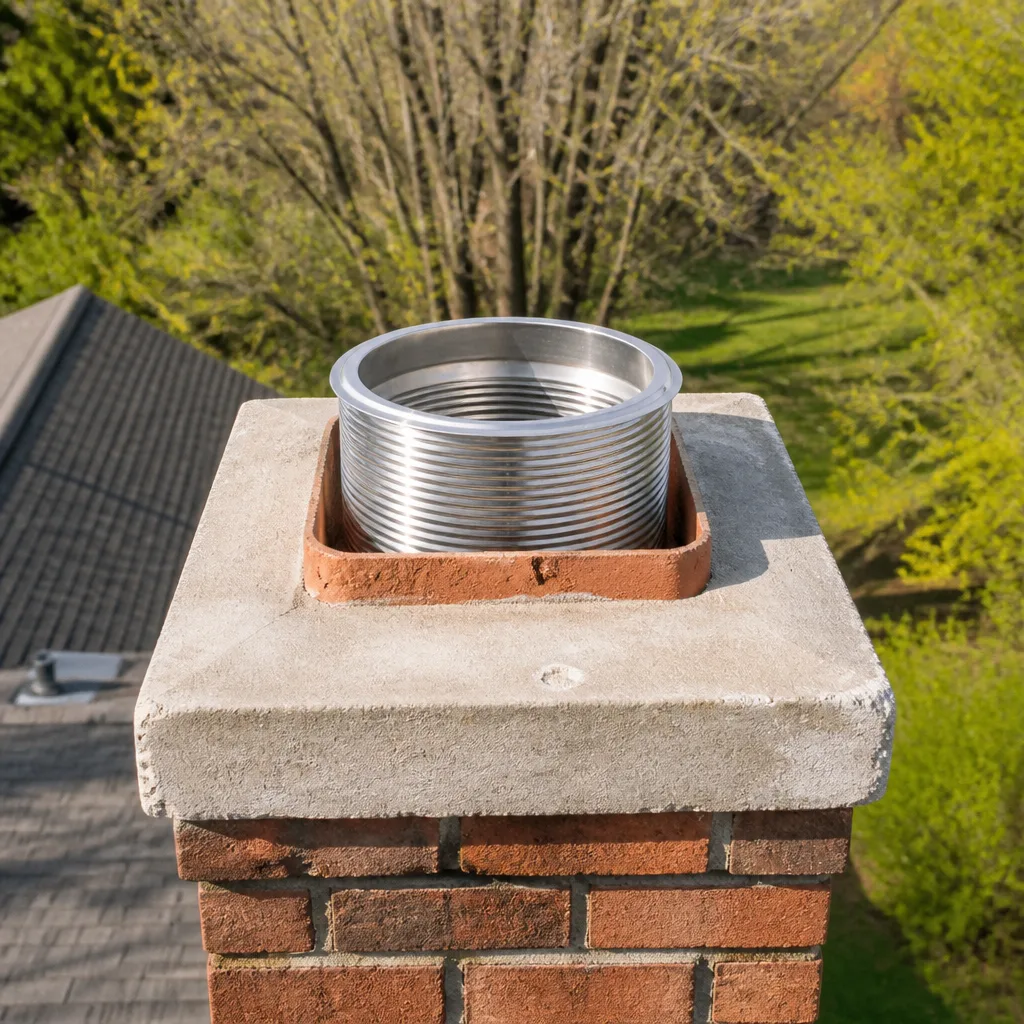
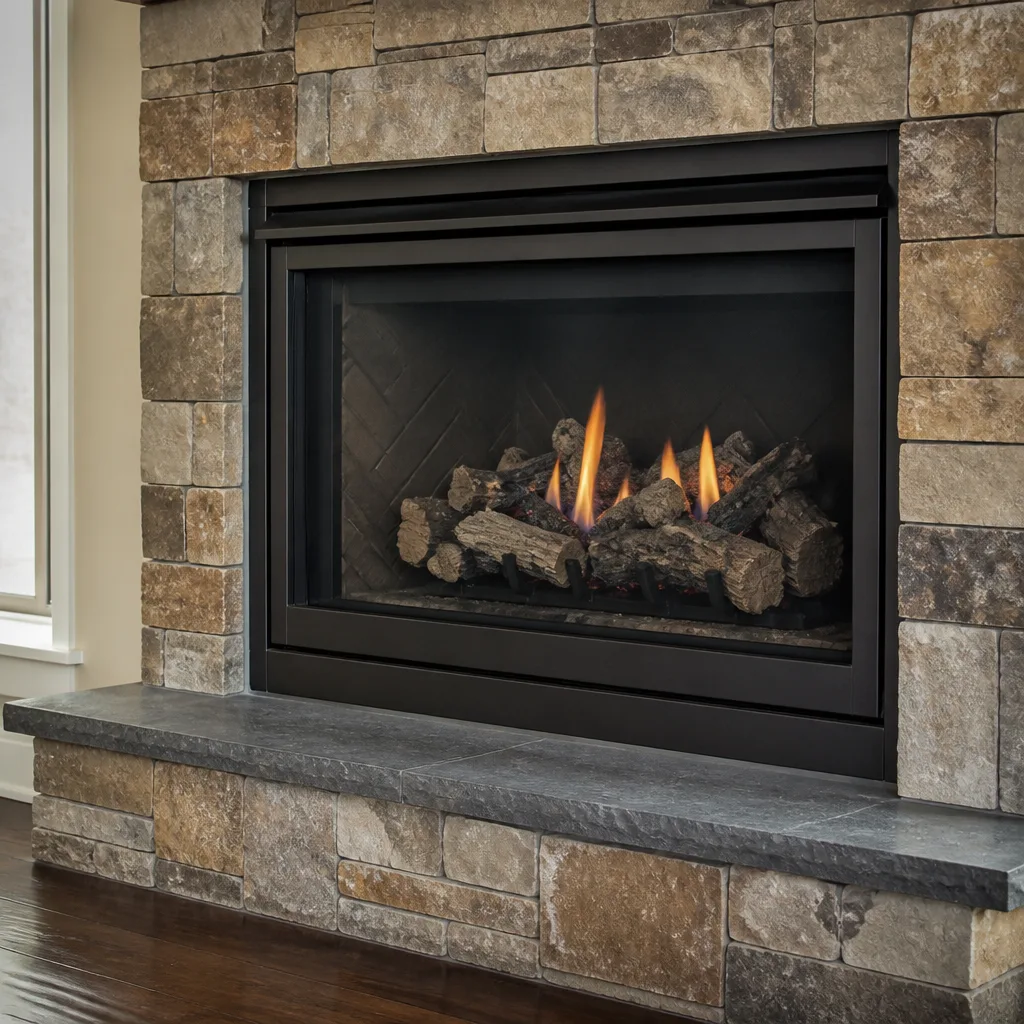
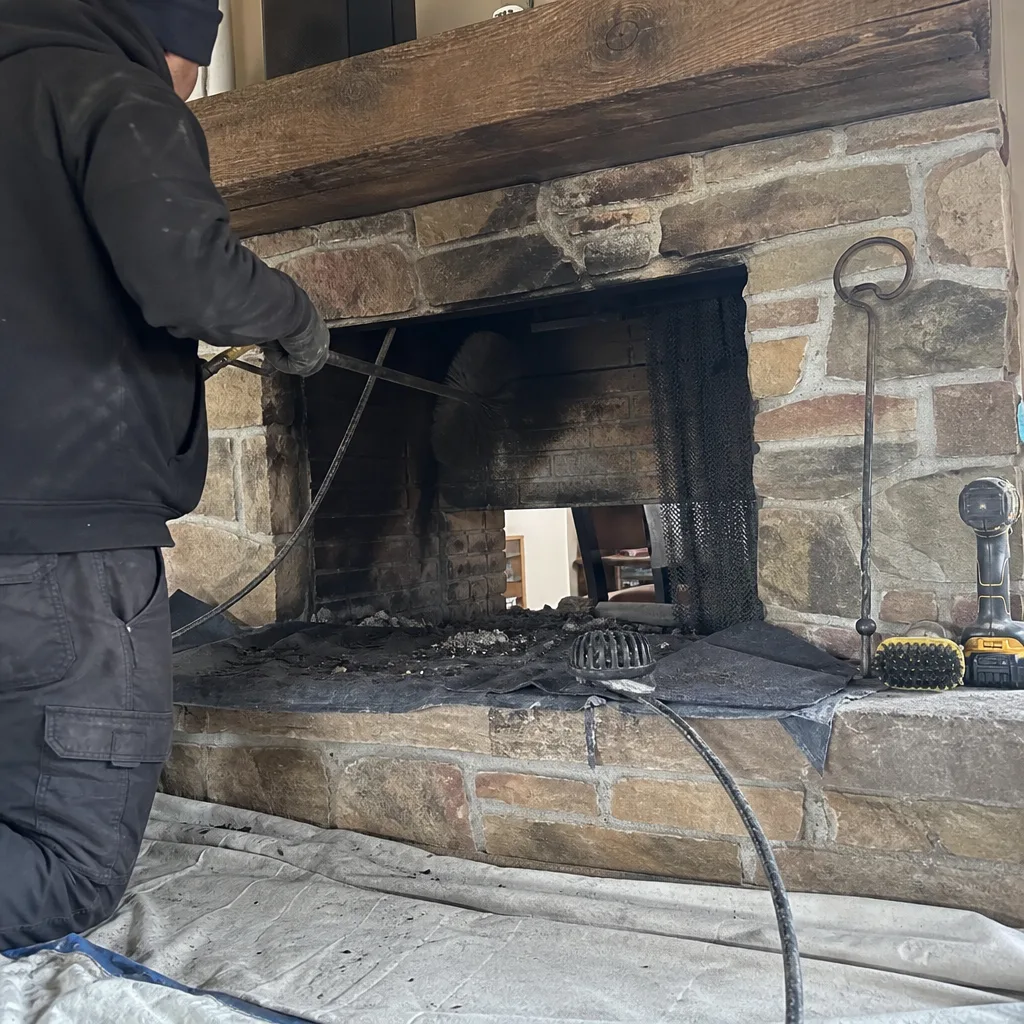 Before
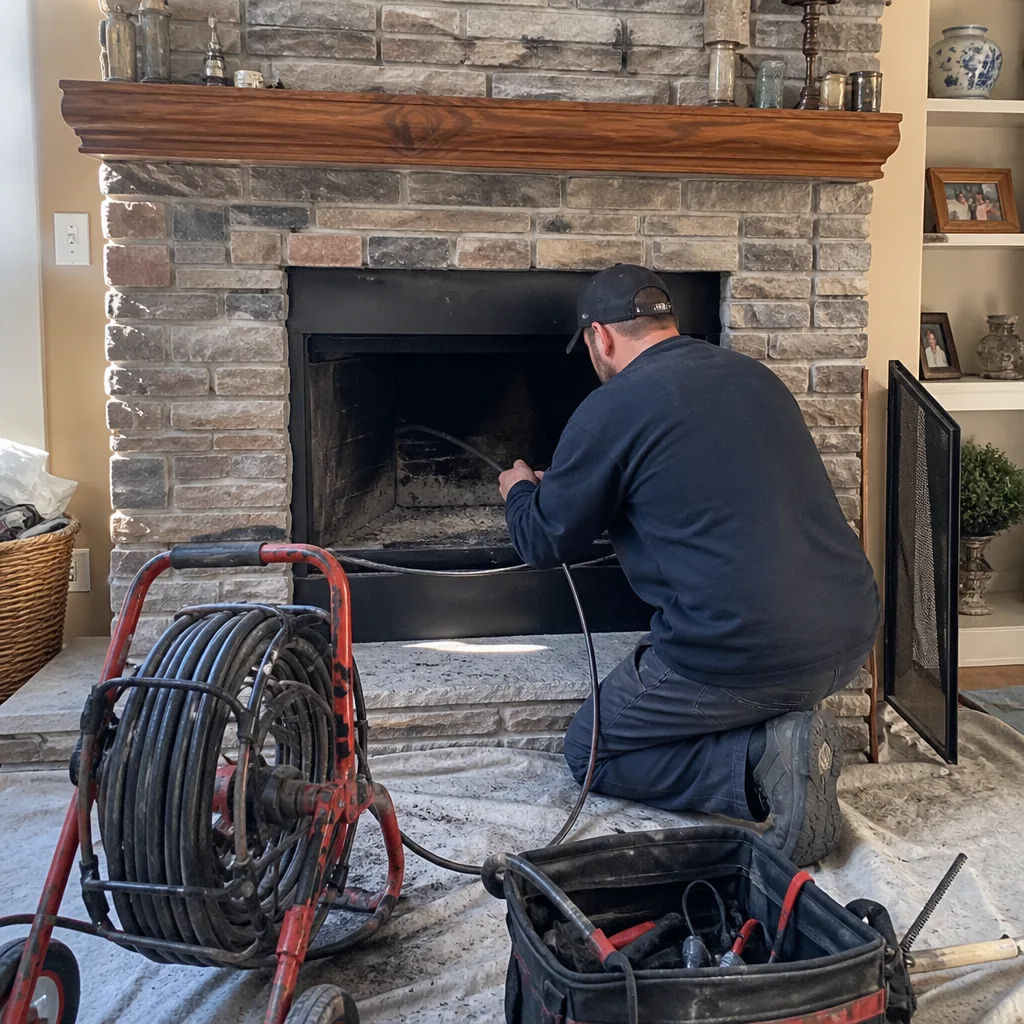 After
After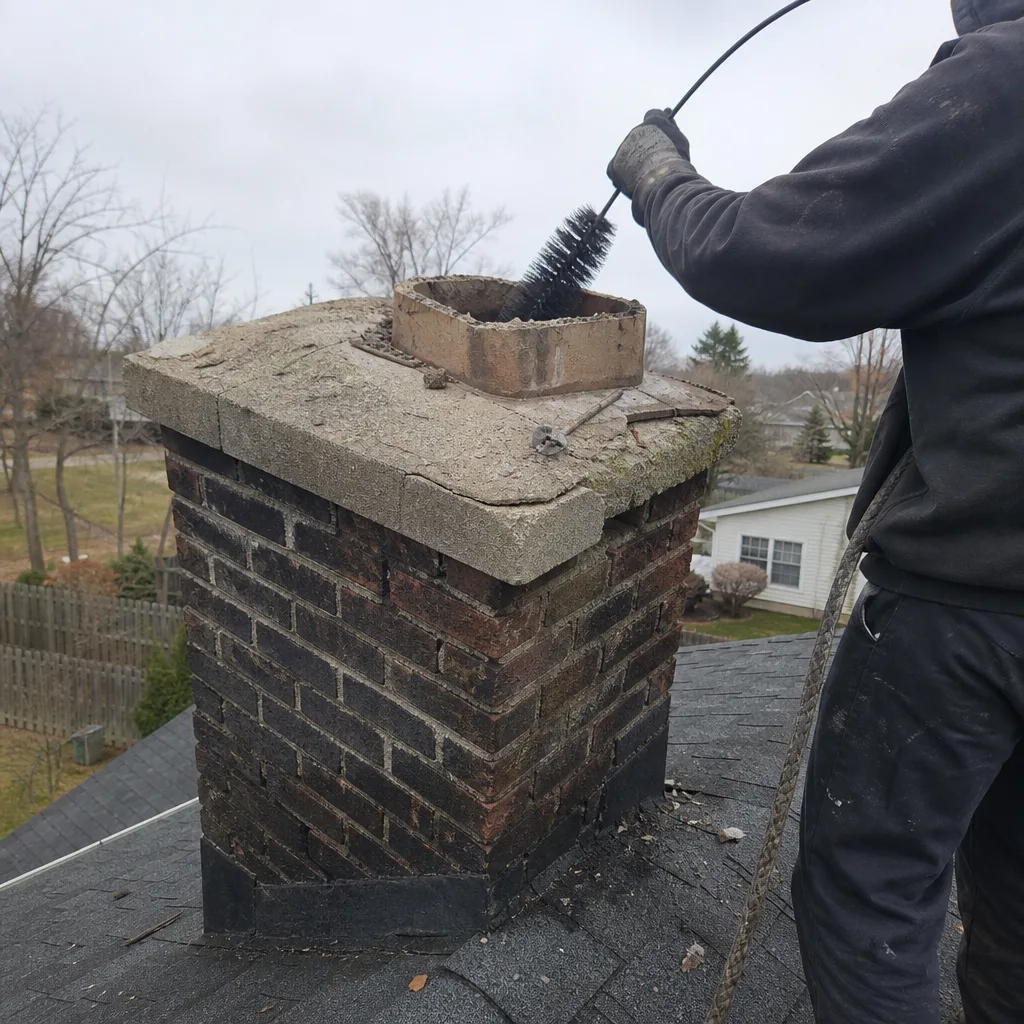 Before
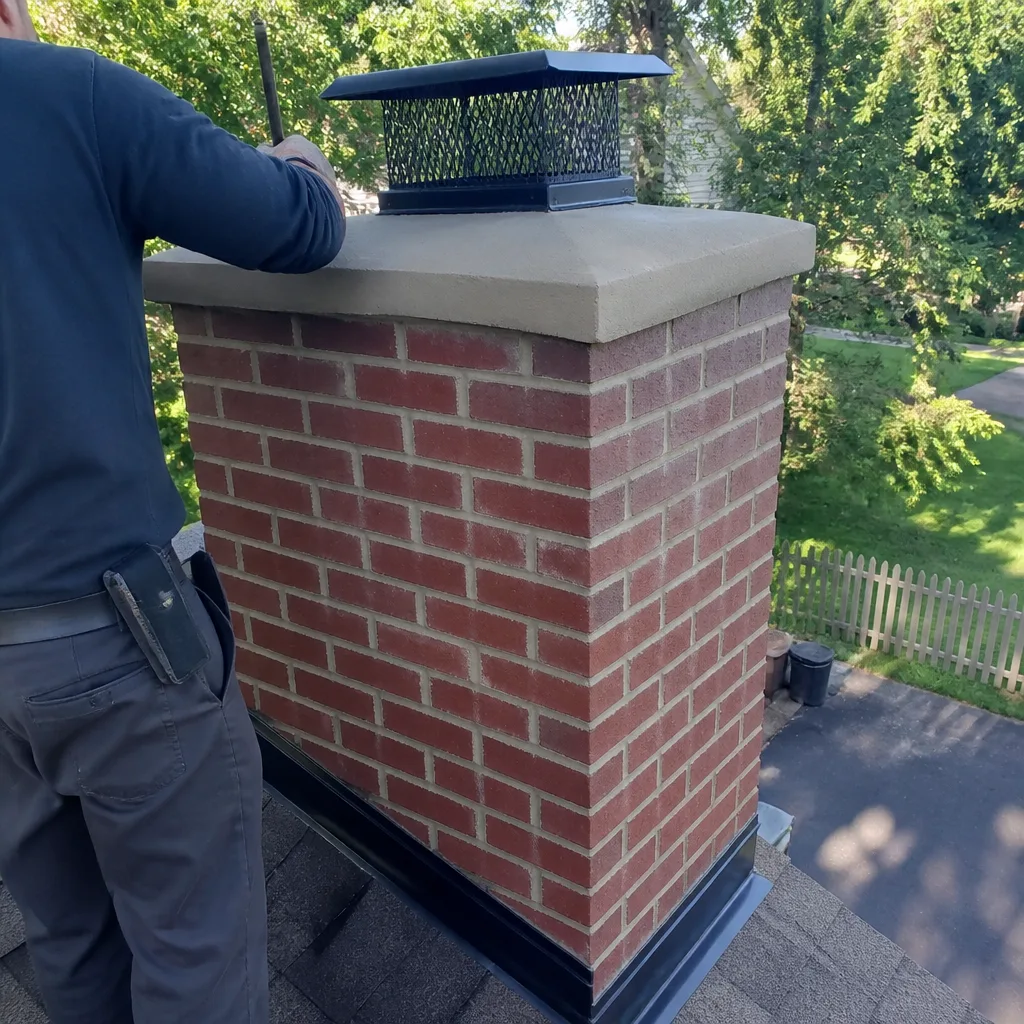 After
After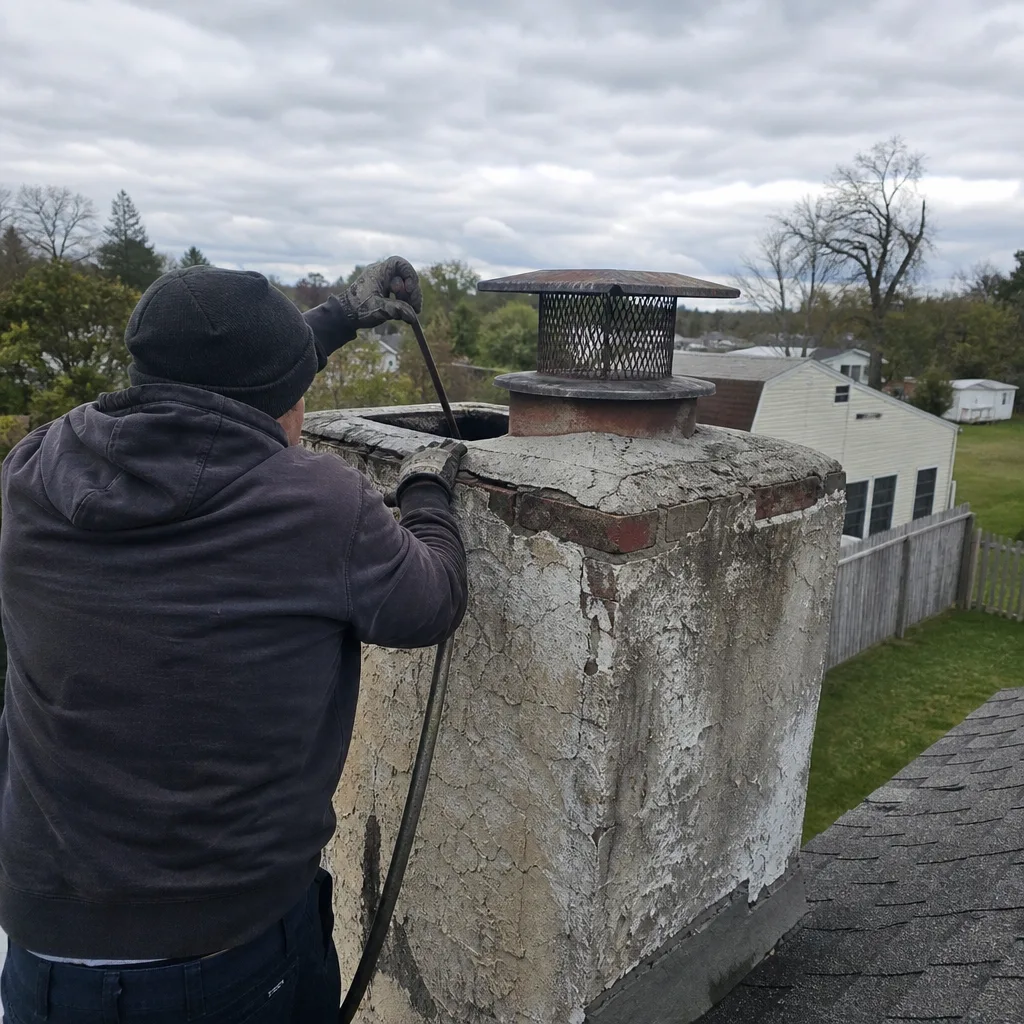 Before
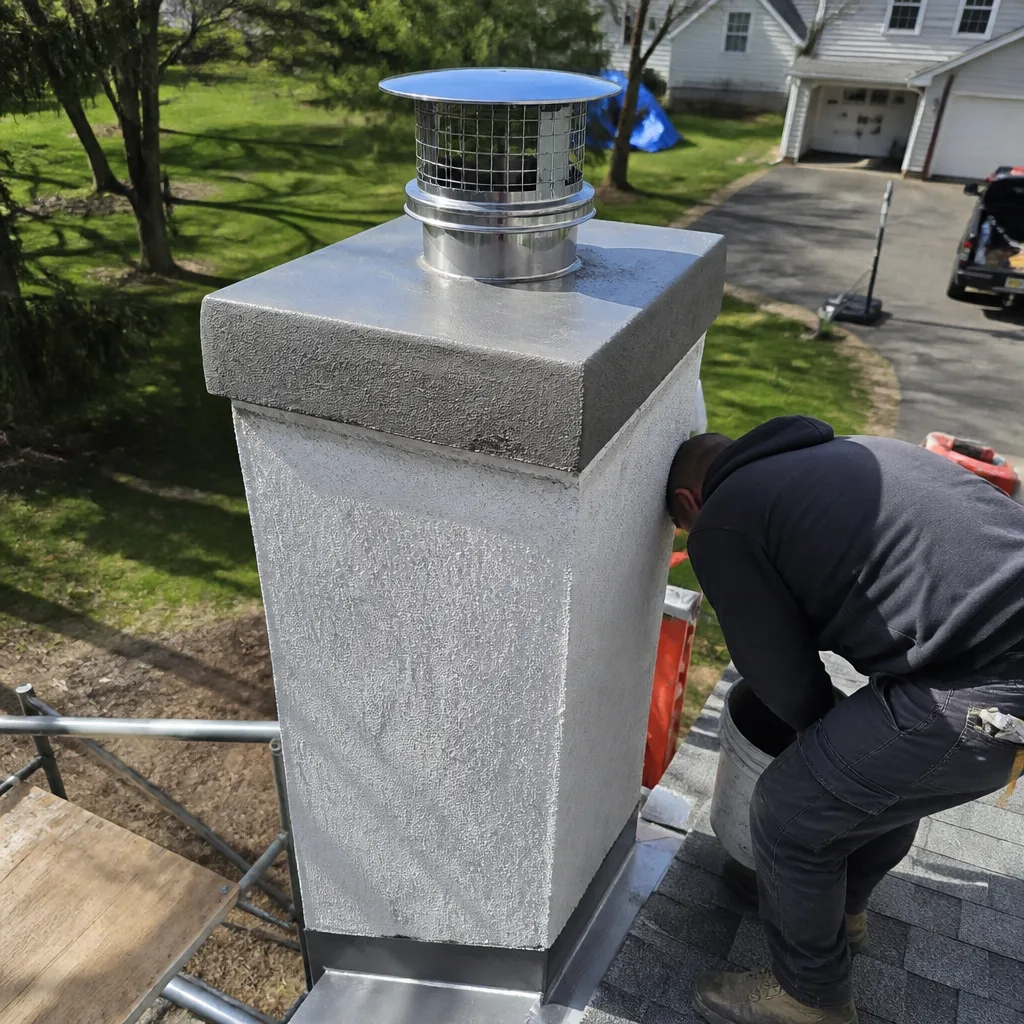 After
AfterChimney Cleaning & Sweep Maintenance Checklist for Quakertown Homeowners
The most common call Wendell gets in November isn’t “I think something’s wrong.” It’s “I had no idea that was there.” A fifteen-minute walkthrough twice a year, done at the right times, catches the problems that turn a $250 cleaning into a $2,000 liner repair. This guide is built around Quakertown’s actual burn season, not a generic fall-and-spring calendar, and it tells you exactly what you can safely check yourself and what needs a licensed sweep with a camera. By the time you finish reading, you’ll have a plain-language checklist, a simple log you can keep for insurance purposes, and a clear sense of when to pick up the phone.
Quick Answer
A chimney maintenance checklist for Quakertown homeowners comes down to this: twice a year, inspect what you can see from ground level and inside the firebox, keep a written and photographic record, and have the flue professionally swept once a year whether you burned often or not. If you spot flaking brick, white staining, a damper that won’t seat, or creosote that looks like shiny tar instead of flat soot, call a licensed sweep rather than waiting for burn season. Top Hat Chimney provides Chimney Cleaning & Sweep in Quakertown with camera inspection and photo documentation on every job.
Table of Contents
- A Month-by-Month Maintenance Calendar for Quakertown
- The Ground-Level Walkaround: Five Things to Check Without Tools or Risk
- Inside the Firebox: What to Look For Before You Light the First Fire
- What to Photograph and Keep on File, and Why It Matters for Insurance
- A Sweep’s Checklist vs. an Inspector’s Checklist: When You Need the Latter
- A Plain-Language Log Template for Tracking Changes Over Time
- Common Mistakes to Avoid
- When to Call a Professional
- Frequently Asked Questions
- The Bottom Line
A Month-by-Month Maintenance Calendar for Quakertown
Generic advice says “clean your chimney in the fall.” That’s a start, but it ignores how Quakertown’s climate actually works. The first frost in Upper Bucks County typically arrives in mid-October, and the last burn often happens in late April when a cold snap rolls through. Your chimney doesn’t know the calendar. It knows temperature swings, freeze-thaw cycles, and how much you actually burned. Here’s the schedule we recommend after 29 years of working in this area.
September: Book the Professional Sweep
Don’t wait until the first cold night. By late September, every sweep in the county is booking two to three weeks out. Call early and get on the schedule before the rush. This is also the month to do your pre-season visual checks so you can tell the sweep exactly what you noticed. If you need Chimney Repair in Quakertown, September is when there’s still time to fix it before burning weather hits.
October: The Sweep and the First Small Fire
This is the month for our Chimney Cleaning & Sweep services. After the sweep, light one small, hot fire with dry hardwood before you load the firebox for a full evening burn. Why? The first fire tells you immediately whether the damper operates smoothly, whether smoke draws properly up the flue, and whether anything smells wrong. Better to find out with a three-log fire than a six-log one.
November Through February: Monthly Firebox Checks
Once a month during heavy burn season, take ten minutes to look inside the firebox. You’re checking for creosote buildup, which in Quakertown’s damp winter air accumulates faster than in drier climates. Shine a flashlight up the flue from inside the firebox. If the soot looks flat and black, you’re fine. If it looks shiny, puffy, or crusted, stop burning until a sweep has looked at it. That’s the difference between first-degree creosote (a brush job) and third-degree creosote (a glaze that can fuel a chimney fire).
March: The Post-Season Assessment
As burn season winds down in Quakertown, do a careful inspection and write everything down while the season is still fresh in your mind. Did you notice any smells? Any smoke spilling into the room when you opened the stove door? Any animals scratching around the flue? These observations go into the log. They’re the early-warning system for next year.
April and May: The Spring Check
Once burning is done for good, check the exterior again. Quakertown’s freeze-thaw cycles do real damage to masonry. Water gets into hairline cracks, freezes, expands, and widens those cracks by spring. Look for new spalling, new efflorescence, new cracks in the crown. This is also nesting season for chimney swifts and squirrels, so check the cap and flue opening.
June Through August: Off-Season, Not Off-Duty
Your chimney breaks in the off-season too. Summer storms drive rain into damaged crowns and cracked flashing. High humidity accelerates rust on dampers and firebox components. Take one look at the exterior after any severe thunderstorm. And if you’re not using the fireplace at all, leave the damper closed but not sealed. A slightly open damper in a sealed-up house can pull conditioned air up and out. A fully closed damper in a humid Quakertown summer can trap moisture. The rule: closed in summer, but check it monthly.
The Ground-Level Walkaround: Five Things to Check Without Tools or Risk
This is the fifteen-minute inspection you can do safely from your yard or driveway. You never need a ladder, and you never put yourself at risk. If any of these five things looks wrong, call a professional rather than investigating further yourself.
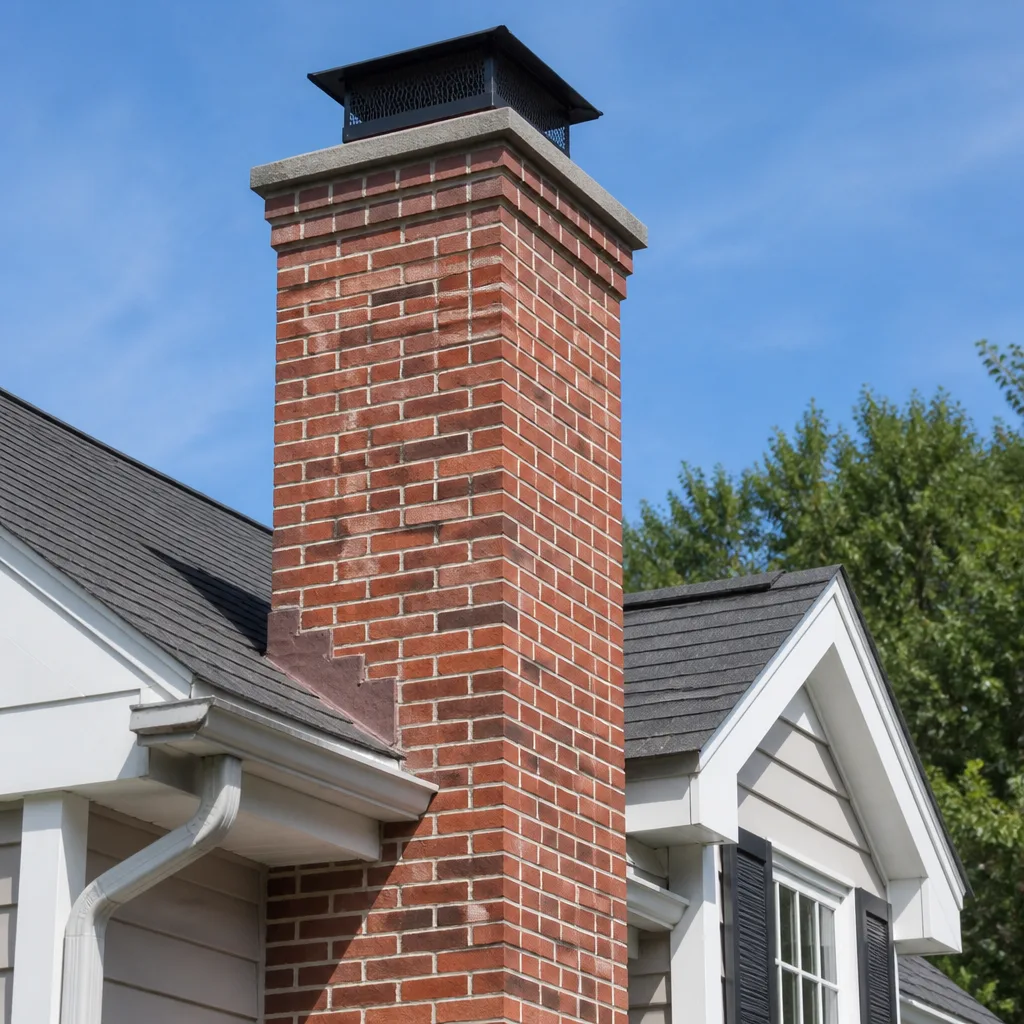
- The chimney cap. Stand back and look at the top of the chimney. Is the cap still there, still level, and not visibly rusted through? A missing or damaged cap lets rain in, which deteriorates mortar from the inside and gives animals a door. In Quakertown, raccoons and squirrels are the usual suspects, and they don’t need a big opening.
- The crown. The crown is the concrete slab that caps the masonry. Look for cracks you can see from the ground, especially around the flue tile. Hairline cracks are the earliest warning. Water gets in, freezes, and by April you have a much bigger crack than you did in November.
- Brick faces and mortar joints. Walk around the house and look at the chimney from every visible angle. Flaking brick faces (spalling) mean water has penetrated the masonry. Deteriorating mortar joints mean the same. Both get worse with every Quakertown winter.
- White staining. Efflorescence is a white, powdery deposit on brick. It’s a sign of water moving through the masonry and carrying salts to the surface. Occasional minor efflorescence after a wet spring is common. Heavy, recurring staining means the chimney is holding water it should not be holding.
- Leaning or separation. Stand back and sight down the side of the chimney. Does it run straight and true, or does it seem to pull away from the house even slightly? Any visible lean is a structural concern, and you want a professional opinion the same week you notice it.
These five items take fifteen minutes, need no special equipment, and catch most of the expensive problems early. Do them in September and again in April. If something looks off, photograph it and call. Your Top Hat Chimney home page has our number, and a live person answers it.
Inside the Firebox: What to Look For Before You Light the First Fire
Before the first fire of the season, get down and actually look inside the firebox. You don’t need any special tools. You need a flashlight and ten minutes. Here’s the plain-English walkthrough Wendell does with homeowners on every visit.
The Damper
Open and close the damper fully. It should move smoothly and stay where you put it. A damper that’s stiff, rusted, or won’t seat fully means smoke can back up into the room or conditioned air can leak up the flue all winter. A damper that’s warped from heat needs replacement, not adjustment. We see this constantly in Quakertown homes built in the 1970s and 1980s, where the original dampers have been through forty years of heat cycles.
The Firebox Walls
Look at the refractory panels or firebrick lining the sides and back. Cracks wider than a dime, missing pieces, or panels that have pulled away from the wall mean the firebox is no longer protecting the surrounding framing from heat. That’s not a cosmetic issue. That’s a fire-safety issue.
The Smoke Chamber
Shine your flashlight up from the firebox, past the damper. You should see a smooth transition into the flue. If you see significant creosote accumulation, animal debris, or what looks like deteriorated mortar, stop and get a sweep in before you burn. Your flue doesn’t care how the fire looks. It cares how it breathes.
The Creosote Test
Reach into the flue with a fireplace poker or a stick and scrape a small spot above the damper. If what comes off is flat black soot that crumbles between your fingers, that’s first-degree creosote and a standard sweeping handles it. If it’s shiny, sticky, or comes off in sheets, that’s third-degree creosote and it’s a glaze. Third-degree creosote is a chimney fire waiting for an ignition source, and it requires mechanical removal or chemical treatment, not just a brush. Catch it early and you’re paying for a cleaning. Let it sit and you’re paying for a reline.
If any of these checks turns up something you don’t like, don’t try to fix it yourself. Creosote removal above first-degree, damper work, and firebox repair are all jobs for a licensed professional with the right equipment and the right insurance.
What to Photograph and Keep on File, and Why It Matters for Insurance
Homeowners rarely think about photographing their chimney, and that’s a mistake. A photographic record is the single most useful piece of documentation you can have when something goes wrong. Here’s what to shoot, when to shoot it, and how it helps.
Before and After Every Professional Cleaning
Ideally, your sweep documents the before and after with a camera. At Top Hat Chimney, every job includes camera footage and a plain-English verdict, every time, no exceptions. But you should also take your own photographs. Before the sweep arrives, shoot the firebox, the damper, the exterior brick, and the cap from the ground. After the sweep leaves, shoot the same angles. That record proves the flue was clean on a given date, which matters if you ever file an insurance claim for a chimney fire. Insurance adjusters ask for maintenance records. Photographs are better than receipts because they show condition, not just that someone was paid.
What to Capture After Any Storm or Weather Event
After a severe thunderstorm, a heavy snow, or a period of rapid freeze-thaw, photograph the exterior of the chimney. If a shingle blows off the roof and hits the crown, you want a photo of the crown before the next rain. If heavy snow slides off the roof and knocks the cap askew, photograph it that day. These photos become evidence if water damage shows up later that can be traced to a specific event.
The Insurance Connection
Most homeowners insurance policies cover chimney damage from sudden events like storms, lightning, or chimney fires. They rarely cover damage from neglect. If your chimney has a pre-existing crack and water damage follows, your photos showing that crack was present and documented six months prior can make the difference between a covered claim and a denied one. Conversely, if you have photos showing the flue was clean and properly maintained on a specific date, a chimney fire claim is much stronger. Keep a folder on your phone or a physical envelope in the filing cabinet. Date every photo. Don’t delete the old ones when you take new ones. The history is the point.
A Sweep’s Checklist vs. an Inspector’s Checklist: When You Need the Latter
People use “sweep” and “inspector” interchangeably, but they’re different jobs with different scopes. Knowing the difference saves you money and keeps you from getting an incomplete picture of your chimney’s condition.
What a Sweep Does
A chimney sweep’s job is to clean the flue system and report what he sees in the course of that cleaning. Wendell’s checklist on a standard Quakertown sweep includes: removing creosote from the flue, cleaning the smoke chamber, checking the damper for function, looking at the firebox for obvious damage, checking the cap from the roof, and documenting everything with camera footage. A sweep is looking for problems that affect burning safety and flue function, and he’ll tell you in plain English whether something needs repair. But a sweep is not doing a structural engineering assessment, and he’s not certifying the chimney for a real estate transaction or an insurance requirement.
What a Level II Inspection Does
A Level II chimney inspection is a specific, standardized process defined by the National Fire Protection Association. It includes everything in a Level I inspection (the standard annual check) plus video scanning of the entire flue interior, inspection of accessible attics, crawl spaces, and basements for clearances, and a thorough assessment of the flue’s structural integrity. You need a Level II inspection when: you’re buying or selling a home, the chimney has been through a fire or a lightning strike, the flue has been relined, you’re changing fuel types, or an earthquake or severe weather event may have damaged the structure. In Quakertown, most Level II inspections are driven by home sales. If you’re buying a house in Upper Bucks with a fireplace, insist on a Level II before closing.
When to Schedule Which
- Annual cleaning: every year, burn or no burn. This is the sweep’s job.
- Home purchase: Level II inspection, always, even if the seller produces a recent cleaning receipt.
- After a chimney fire: Level II inspection before any further burning, even if the fire seemed small.
- After a reline or major repair: Level II inspection to document the new condition as a baseline.
- Any time you don’t know the chimney’s history: if you moved in and no one can tell you when the flue was last cleaned or repaired, start with a Level II, not a basic sweep.
Top Hat Chimney performs both cleaning and inspections. If you need Fireplace Services in Quakertown, or if you’re not sure whether you need a sweep or an inspection, call and describe what’s going on. You’ll get a straight answer about which one is actually called for, and an honest recommendation about whether the more expensive option can wait.
A Plain-Language Log Template for Tracking Changes Over Time
Here’s the log template we recommend to every Quakertown homeowner. It’s intentionally simple. A log that takes an hour to fill out never gets filled out. This one takes five minutes twice a year, and after three or four years it becomes the single most useful document you own for your chimney. Copy this into a notebook or a document on your computer and fill it in every September and every April.
CHIMNEY MAINTENANCE LOG - {YEAR}

SEPTEMBER (Pre-Season):
Date of professional sweep: _________________
Sweep's observations: _____________________________________________
Repairs recommended: _____________________________________________
Repairs completed: _______________________________________________
Creosote level found: FIRST / SECOND / THIRD (circle one)
Damper function: SMOOTH / STIFF / NEEDS REPLACEMENT (circle one)
Exterior check: CAP OK? Y/N  CROWN OK? Y/N  BRICK OK? Y/N  STAINS? Y/N
Photos taken: Y/N  Saved to: _________________

APRIL (Post-Season):
Approximate number of fires burned this season: ________
Any smoke spillage? Y/N  When/where: _________________
Any unusual smells? Y/N  Describe: ____________________
Any animal signs? Y/N  Describe: ______________________
Exterior check: NEW CRACKS? Y/N  NEW STAINS? Y/N  CAP DAMAGE? Y/N
Photos taken: Y/N  Saved to: _________________

NOTES (anything else you noticed, anything the sweep said, any repairs done):
_______________________________________________________________
_______________________________________________________________
Five minutes twice a year. That’s it. When you sell the house, hand this log to the buyer and you’ve just answered every question they’d otherwise need a Level II inspection to resolve. When you file an insurance claim, this log plus your photos tells the adjuster you maintained the chimney properly. And when Wendell comes out for a cleaning, this log tells him what to look for in half the time. Ask anyone on your street who’s been through a chimney fire whether they wish they’d kept records. Every one of them says yes.
Common Mistakes to Avoid
- Skipping the sweep because you didn’t burn much. An unused chimney still collects debris, nests, and moisture. Chimneys break in the off-season too, and a once-a-year sweep catches damage while it’s still cheap to fix. An annual cleaning is cheap insurance against a chimney fire or a liner failure.
- Burning pine or unseasoned wood. In Quakertown, green wood and softwoods like pine are everywhere and cheap, but they produce creosote at a rate that will have your flue glazed by February. Burn only hardwoods seasoned at least six months, and your creosote problems drop dramatically.
- Not checking the cap after a storm. Wind, hail, and falling branches damage caps more often than homeowners realize, and a damaged cap lets in water and wildlife. A visual check from the ground after any severe weather event takes thirty seconds.
- Leaving the damper open all winter “for ventilation.” If you’re not burning, an open damper is a hole in your house that sends heated air straight up the flue. Close it when the fire is fully out and you’ll notice the difference in your heating bill by February.
- Ignoring a small crack because “it’s been there for years.” Quakertown’s freeze-thaw cycles turn small cracks into big ones faster than homeowners expect. A hundred-dollar crack repair in September beats a two-thousand-dollar crown rebuild in March. Every single time.
- Hiring the cheapest sweep without checking credentials. A sweep who isn’t licensed, insured, or wiling to put his name on the work is not a bargain. In Upper Bucks County, you’ll run into the same people again at the hardware store. The good ones last 29 years. The bad ones change names every spring.
- Waiting until October to call. By mid-October, the reputable sweeps in Quakertown are booked solid. Call in September, get on the schedule, and you’ll be warm while your neighbors are still calling around.
When to Call a Professional
Call a professional the same week you notice any of these: shiny or crusted creosote in the flue, a damper that won’t open or close fully, smoke spilling into the room during normal burning, visible cracks in the crown or firebox larger than a dime, white staining that keeps coming back, any sign of animals in the chimney, or a lean you can see from the street. Also call after any chimney fire, no matter how small it seemed, and after any lightning strike on or near the house. None of these are DIY situations, and all of them are cheaper to fix the day you notice them than the day they fail. Top Hat Chimney offers free estimates in Quakertown, including a free second opinion on any written estimate you have from another company. Call (484) 603-6713 and Wendell or a member of his crew will give you a straight answer.
Frequently Asked Questions
Once a year, burn or no burn. The National Fire Protection Association recommends annual inspection and cleaning as needed, and in practice, that means a professional sweep every 12 months for any chimney that sees regular use. Even a lightly used fireplace in Quakertown accumulates enough creosote, debris, and moisture-related damage over 12 months to warrant an annual cleaning. Skipping a year is a gamble with chimney fire risk that never pays off.
Standard chimney sweeping in Quakertown typically runs between $200 and $350 for a single flue, depending on the level of creosote, flue height, and whether any repair work is recommended during the visit. At Top Hat Chimney, you get the price before any work starts, and the number on the invoice is the same number you heard on the phone. Permanent standing offers include $40 off any repair over $200 and 10% off always for seniors and veterans. Call (484) 603-6713 for an exact quote. Estimates are free.
Creosote accumulates, and creosote is fuel. A chimney fire burns at temperatures that crack flue tiles, warp dampers, and can spread into the house’s framing. Even without a fire, a dirty flue obstructs airflow, which sends carbon monoxide back into the living space. The annual cleaning is the cheapest maintenance you’ll do on your house all year, and the consequences of skipping it range from expensive to catastrophic. Call for an exact quote, and don’t wait until the first cold snap to do it.
Sometimes yes, sometimes no, and you should never take that recommendation on faith without seeing the camera footage. A cracked or deteriorated liner is a legitimate repair, but a good sweep shows you the damage on video and explains it in plain English. At Top Hat Chimney, every job includes camera footage and a plain-English verdict. If another company says you need a liner, get a free second opinion before you spend thousands. We install liners from trusted brands like DuraFlex and HeatShield when they’re actually needed, and we’ll tell you plainly when they’re not.
First-degree creosote is a flaky, sooty deposit that brushes off easily and is removed in a standard sweeping. Third-degree creosote is a hard, shiny glaze that forms when creosote has been repeatedly heated and cooled until it fuses into a solid coating. Third-degree creosote is a serious fire hazard and requires mechanical removal or chemical treatment, not just a brush. First-degree is a brush job. Third-degree is a glaze. Catch it early and the cost difference is hundreds of dollars.
Yes. You can check the cap, crown, brick, and staining from the ground, and you can check the firebox, damper, and lower flue from inside the house with a flashlight. What you cannot do safely is get on the roof or inspect the upper flue without proper equipment and fall protection. Roof work is dangerous, and chimney work on a steep Upper Bucks roof is a job for a trained professional. If your ground-level checks turn up something suspicious, call a sweep who has the equipment and insurance to do the rest. Call (484) 603-6713 and describe what you’re seeing. We’ll tell you whether it’s urgent.
The Bottom Line
Your chimney is not complicated, but it is unforgiving. Fifteen minutes of attention in September and April, a log with a few notes in it, and an annual professional cleaning are the whole program. That’s the difference between a fireplace you enjoy for thirty years and a five-figure repair that blindsides you the week before Christmas. In Quakertown, the burn season is long, the freeze-thaw cycles are hard on masonry, and the animals are always looking for a way in. Pay attention, keep records, and call a sweep you can trust. For more guides & resources, visit our blog. The good ones put their name on the work, show you the camera footage, and still answer the phone when you call back in July with a question.
Written by Wendell Pike, Owner at Top Hat Chimney, serving Quakertown since 1999.